






What is E20 and Why the Push?
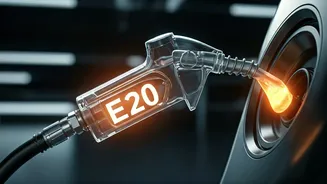
E20 is a fuel blend containing 20% ethanol and 80% petrol. India's nationwide rollout, which was completed ahead of its original 2030 target, is a strategic move to address several key national priorities. By increasing the use of domestically produced
ethanol, which is derived from agricultural sources like sugarcane and maize, the country aims to reduce its heavy reliance on imported crude oil, which accounts for over 85% of its needs. This shift is projected to save billions in foreign exchange annually. Furthermore, E20 fuel burns cleaner than conventional petrol, leading to a significant reduction in emissions like carbon monoxide and hydrocarbons, which helps in the fight against air pollution. The programme also provides an economic boost to the agricultural sector by creating a consistent demand for farmers' produce.
Addressing Consumer Concerns
The rapid transition to E20 has raised concerns among motorists, particularly owners of older vehicles manufactured before 2023. The primary worries revolve around a potential drop in mileage and the long-term effects of higher ethanol content on engine components. Ethanol has different properties than petrol; it has a lower energy density, which can lead to a slight decrease in fuel efficiency. It can also be more corrosive to certain rubber and plastic parts in the fuel systems of vehicles not specifically designed for it. These concerns have fueled a public debate, with many motorists reporting noticeable drops in mileage and questioning the readiness of their vehicles for the new fuel.
ARAI's Role as the Safety Gatekeeper
This is where the Automotive Research Association of India (ARAI), the country's leading automotive R&D and certification body, plays a crucial role. In response to public concerns, ARAI has confirmed that all E20-compatible vehicles undergo stringent and structured validation before they reach the market. According to ARAI Director Dr. Reji Mathai, these testing protocols are comprehensive and designed to ensure long-term reliability and safety. The agency asserts that claims of widespread vehicle damage due to E20 are not supported by evidence gathered from extensive studies and reports from authorised service centers.
Inside the Testing Process
ARAI's testing is not a simple check. It's an exhaustive process involving both laboratory and real-world trials. Vehicles are subjected to durability runs of 40,000 to 60,000 kilometres to assess long-term performance. These tests specifically evaluate the impact of E20 on critical components like engines, fuel lines, seals, and injectors. Studies conducted by ARAI in collaboration with vehicle and oil companies even included older BS-IV vehicles to assess material compatibility and performance. The results from these comprehensive studies concluded that E20 fuel did not have a significant adverse impact on critical vehicle components. While ARAI acknowledges a minor mileage drop of between 2% and 6% due to ethanol's lower energy content, it clarifies this does not compromise engine health or reliability in compliant vehicles.
What This Means For Your Vehicle
For owners of vehicles manufactured after April 2023, there is little cause for concern, as these are designed to be fully E20-compliant. For older vehicles, ARAI's extensive testing on E10-era and even BS-IV models showed no significant damage. Major manufacturers like Maruti Suzuki and Toyota have also stated their tests on older models running E20 have not revealed anything of concern, citing sufficient engineering safety margins. However, ARAI advises any vehicle owner experiencing issues to visit an authorised service centre for a proper diagnosis rather than relying on unverified social media claims. Regular maintenance is key to ensuring optimal performance as the nation transitions to cleaner fuel standards.