


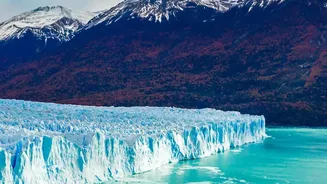
A Catastrophe from a Blue Sky
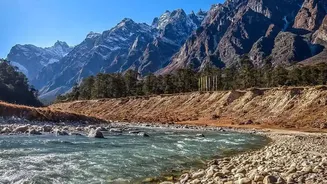
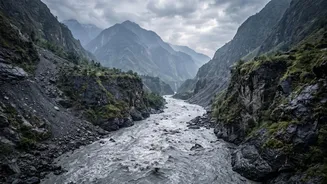
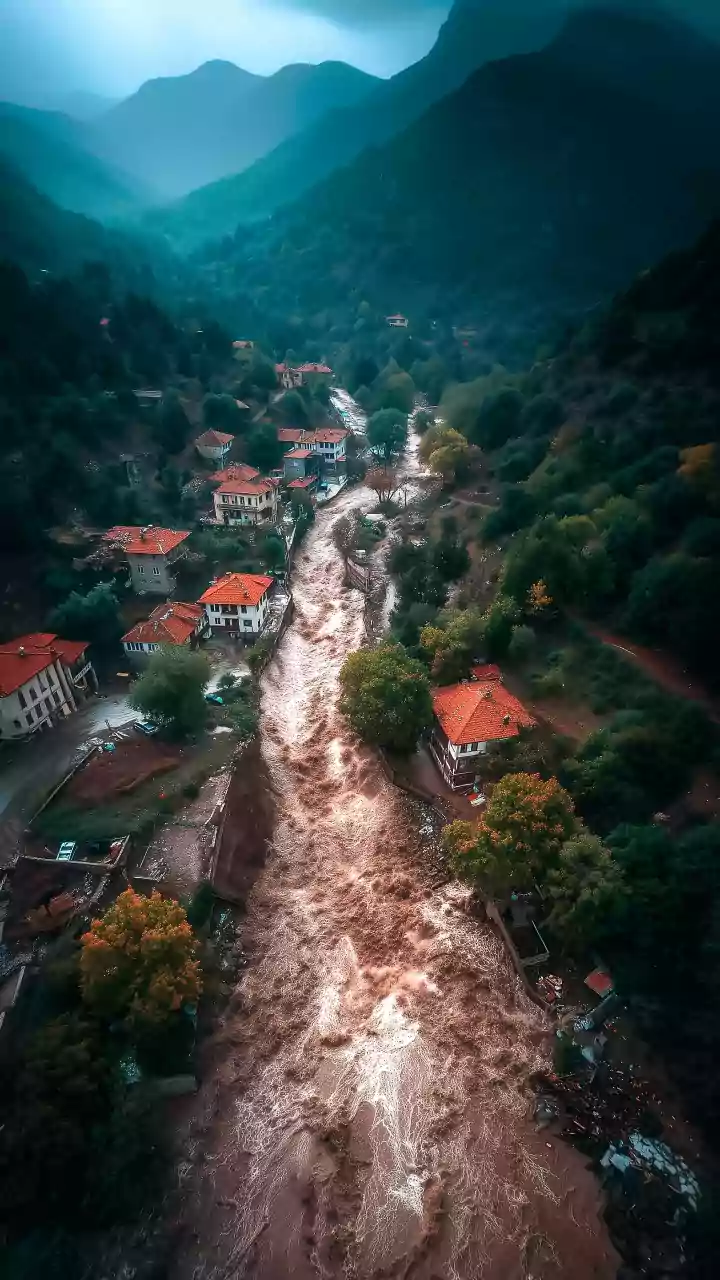
On the morning of August 26, 2026, a massive torrent of water, mud, and debris surged down river valleys in Nepal's Rasuwa district. The flood struck with shocking speed, as water levels in some areas rose by as much as nine meters in just 30 minutes.
Villages like Timure and Syabrubesi were inundated, and critical infrastructure, including roads, bridges, and hydropower plants, was swept away. The disaster claimed hundreds of lives, with hundreds more reported missing, including residents, security personnel, and foreign tourists. The initial mystery was the lack of a clear trigger; the weather had not produced the kind of extreme rainfall usually associated with such a destructive flood, leaving communities and experts alike searching for an explanation.
The High-Altitude Suspect
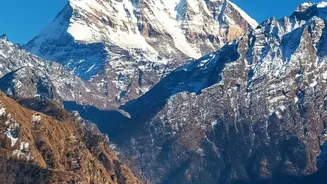
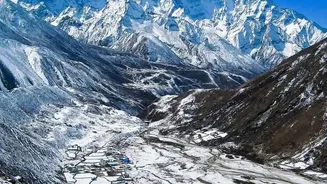
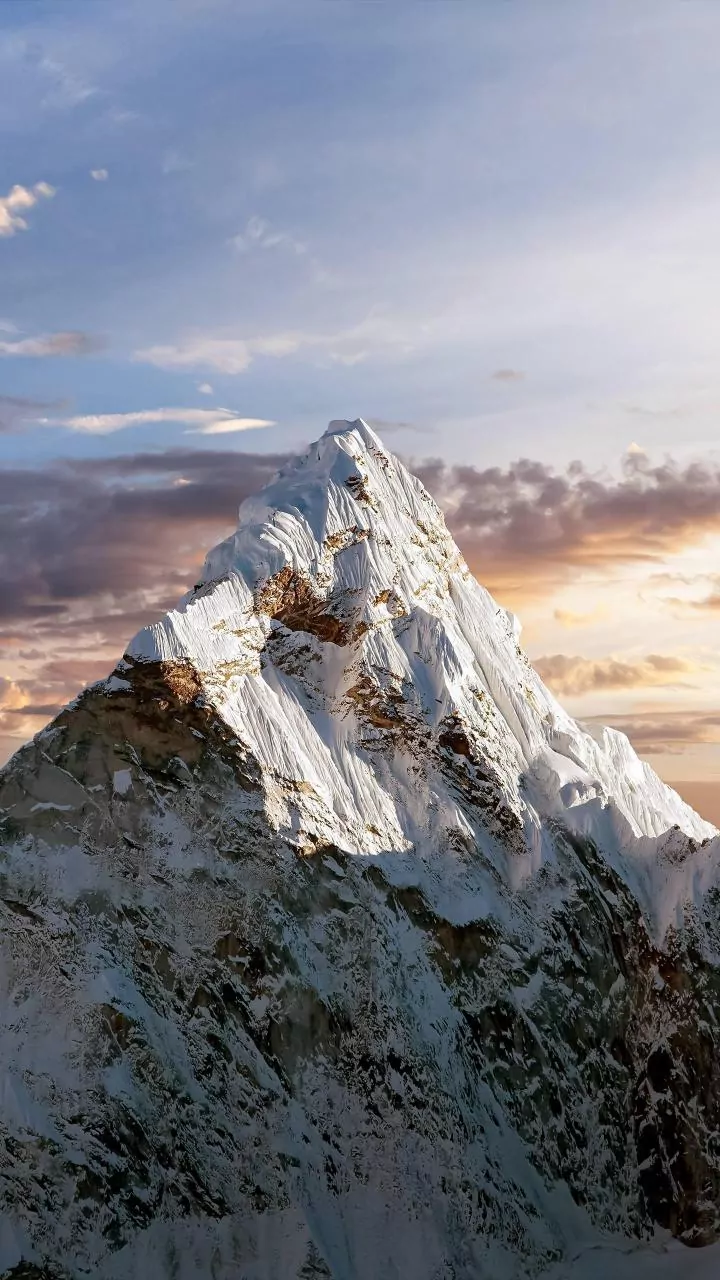
Scientists and international bodies quickly turned their attention to the high, frozen peaks of the Himalayas for the source. Preliminary investigations now point to a massive glacier collapse as the likely trigger. According to the U.S. Geological Survey, a seismic event equivalent to a magnitude 5.2 earthquake was detected, which they determined was not from tectonic activity, but from the collapse of a huge portion of a glacier. Experts believe a massive chunk of ice and rock broke off a mountain peak high in Langtang National Park, near the border with Tibet. This catastrophic avalanche of material then crashed into the river system below, unleashing the deadly torrent.
What is a GLOF or Cryosphere Hazard?
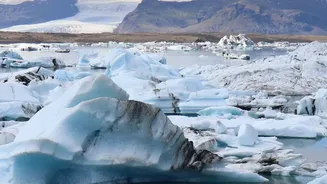
While this event is being investigated as a glacier-rock avalanche, it highlights a group of threats known as cryosphere hazards. These include Glacial Lake Outburst Floods (GLOFs), which have become a major concern across the Himalayas. A GLOF happens when a lake formed by melting glaciers, often dammed by unstable walls of soil and rock called moraines, suddenly breaches. A massive volume of water is released in an instant, creating a destructive flood wave. In this recent Nepal disaster, the mechanism appears slightly different but related: a huge volume of ice and rock falling from a great height could have temporarily dammed the river or simply displaced a massive volume of water, creating a similar downstream surge.
A Sign of a Warming World
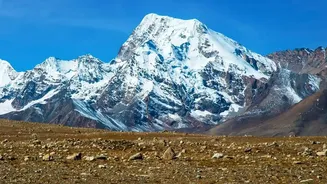
While scientists are cautious about linking any single event directly to climate change without further study, they agree that a warming world makes such disasters more likely. The Himalayan region, often called the “Third Pole,” is warming significantly faster than the global average. This rapid warming is causing glaciers to melt and thin at an accelerating rate. As glaciers retreat, they leave behind unstable rock faces that were previously supported by ice. This, combined with the thawing of permafrost, weakens mountain slopes, making massive rock and ice avalanches more probable. These events are seen by many experts as a clear and dangerous symptom of a changing climate.
A Shared Risk for the Region
The disaster in Nepal serves as a stark warning for the entire Himalayan region, including India. These mountain ranges and the rivers they feed are a shared resource and a shared vulnerability. Events like this often have transboundary origins, starting in one country and causing devastation in another, which complicates warning systems. The flood on the Bhote Koshi river system originated in Tibet before surging into Nepal, highlighting the urgent need for cross-border cooperation on monitoring and early warning systems. With billions of rupees invested in infrastructure like hydropower plants downstream, and millions of lives dependent on these river systems, the increasing frequency of these high-altitude hazards presents a formidable challenge that no single country can face alone.