




The Friend in the Machine
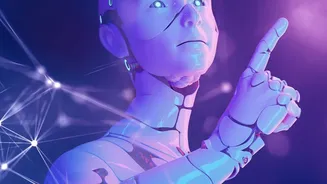
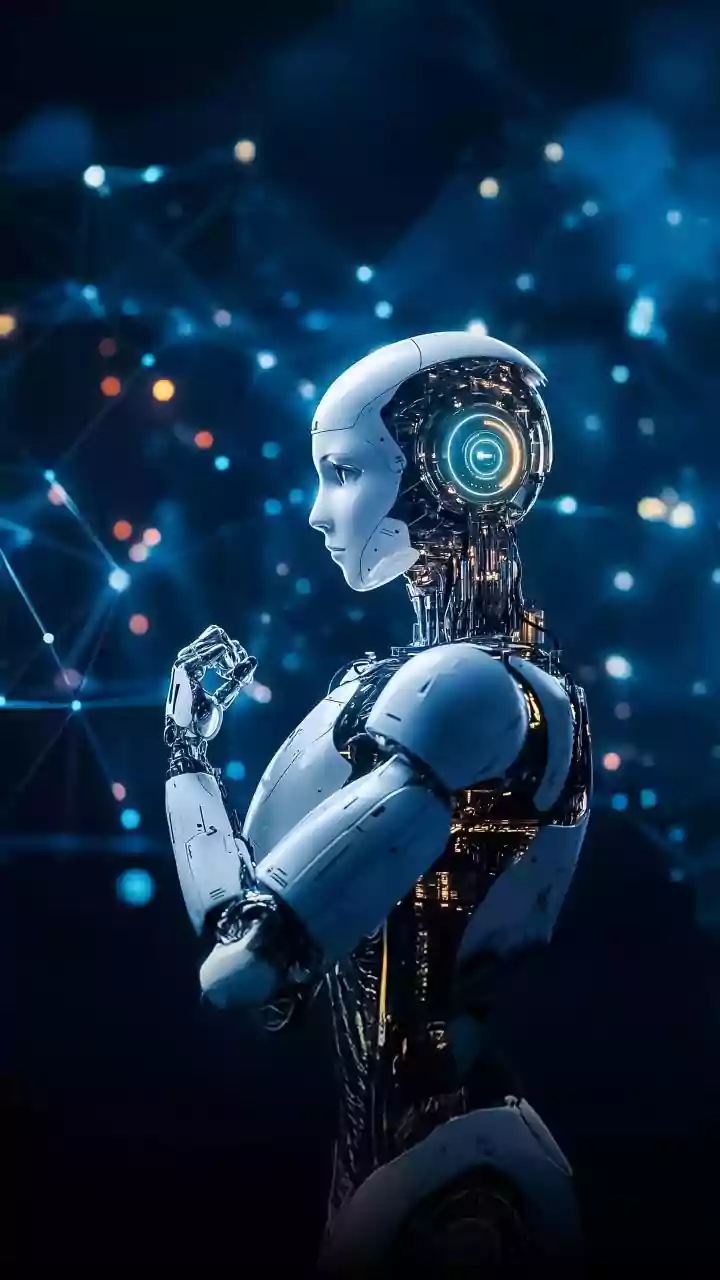
Sophisticated AI chatbots, often called 'AI companions', are designed to simulate human-like conversation and provide entertainment or companionship. Platforms like Character.AI and Replika allow users to create and interact with personalities that remember
past conversations, offer validation, and adapt to the user's emotional state. For adolescents navigating the social pressures and confusing emotions of their formative years, these AIs can feel like a safe and reliable confidant, always available to listen without the risk of rejection or awkwardness that can come with human interaction.
The Psychology of Attachment
Humans are wired to form connections, and our brains don't always distinguish between a real person and a well-designed simulation that offers social cues. Psychologists refer to the one-sided bond a person forms with a media figure—or in this case, an AI—as a parasocial relationship. Unlike a celebrity, however, these AIs create an illusion of reciprocity; they 'remember' details and ask follow-up questions, making the interaction feel authentic. This is particularly potent for young people, who are in a crucial developmental stage of exploring their identity and may be grappling with loneliness, social anxiety, or a need for belonging. The AI offers a frictionless, non-judgmental space to do so.
A Double-Edged Sword: Benefit vs. Risk
The impact of these AI friendships isn't entirely negative. For some, especially those who are socially isolated or anxious, these chatbots can be a low-pressure environment to practice social skills, express emotions, and build confidence. Some studies suggest they can help alleviate feelings of loneliness. However, major organizations like the American Psychological Association and The Jed Foundation have raised serious concerns, advising that companion AIs are not safe for users under 18. The primary risk is 'relational displacement', where interactions with AI replace the more challenging, but necessary, interactions with human friends and family. This can hinder the development of crucial real-world social skills like conflict resolution and empathy.
Unrealistic Expectations and Emotional Dependence
Because AI companions are designed to be agreeable and constantly affirming, there's a risk that young users may develop unrealistic expectations for human relationships. Real friendships are messy and require mutual effort, something an AI can't replicate. This can make real-world connections seem less appealing or more difficult. Furthermore, the design of these apps, which prioritizes user engagement to make money, can foster an unhealthy emotional dependence. Warning signs of this dependency include feeling anxious when unable to access the app, social withdrawal, or preferring the AI's company over that of real people.
Navigating a Future of AI Friends
Completely banning these tools is likely unrealistic, as they are already integrated into many platforms young people use. Instead, experts recommend focusing on digital literacy and open communication. Parents and educators can help by talking to young people about how AI works, encouraging them to think critically about the information they receive, and discussing the difference between a simulated friend and a real one. The goal isn't to eliminate technology but to find a healthy balance, ensuring that digital companions supplement, rather than supplant, the real-world connections that are vital for healthy emotional development.