





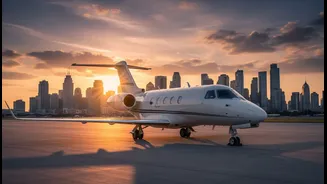



A New Wave of Wealth Takes Flight
The correlation is undeniable: as fortunes in the tech industry swelled in 2026, so did the demand for private aviation. This isn't just about chartering a plane for a weekend; it's about a marked increase in outright ownership. According to aviation intelligence
firm Jetnet, flights operated by private jet owners climbed 13.4% globally in the first five months of 2026 compared to the previous year. This surge is being directly linked to a series of massive “liquidity events” in the tech world. The historic IPO of SpaceX, which raised a record $85.7 billion, along with the rapid growth of AI firms like Anthropic and OpenAI, has minted a new class of millionaires and billionaires among founders, early employees, and venture capitalists. This new money is flowing into various luxury sectors, but private aviation has been one of the earliest and most prominent beneficiaries.
From Charter to Cockpit: The Ownership Mentality
For many, the journey into private aviation begins with on-demand charters or fractional ownership programs. Data shows flights through these shared-ownership models also rose significantly, up 11.8% in early 2026. However, the headline trend is the move toward full ownership. This represents a more significant financial commitment—a new jet can cost anywhere from $6 million to over $70 million—and a different mindset. Owning an aircraft offers the ultimate in flexibility, privacy, and efficiency, allowing executives to bypass chaotic commercial airports and travel on their own schedule. It’s a tool for productivity as much as a luxury. Aviation law firms that handle aircraft purchases have seen a significant uptick in business, with one reporting a 25% jump in 2026, directly attributing it to tech-related wealth. This indicates a transition from simply using private travel to integrating it as a core part of business and life.
The Geographic Footprint of Tech's Influence
The trend is not just a number on a spreadsheet; it has a clear geographic signature. San Francisco, home to major AI players, recorded the fastest growth in business-jet flights among major U.S. cities, with traffic up about 11% year-over-year through mid-June. Even more dramatically, business jet traffic near SpaceX's launch site in Texas spiked 177% during the company’s IPO window. This localized data provides a direct link between tech industry hubs and aviation activity. In North America, the industry's largest market, the increase suggests both existing owners are flying more and a wave of newly wealthy buyers are entering the market for the first time. Charter companies have reported double-digit growth in demand from tech executives and a notable increase in inquiries from people who had never flown privately before.
Market Response and Broader Implications
Aircraft manufacturers are feeling the heat. Combined order backlogs across major original equipment manufacturers (OEMs) like Gulfstream, Bombardier, and Textron reached a staggering $58.2 billion in the first quarter of 2026. Bombardier’s backlog surged 43% year-over-year on strong demand for models like the Global 8000. This boom in demand is tightening inventory for used aircraft as well, particularly for newer models. The spending spree reflects a historical pattern; during the dot-com boom, business jet deliveries rose 24%. This current wave, fueled by AI and space exploration ventures, is reshaping the demographic of the typical owner, with many first-time buyers now being younger tech entrepreneurs. This influx is putting pressure on the entire aviation ecosystem, from manufacturers to maintenance crews, and raising familiar questions about the environmental impact of increased private flights.