



Understanding 'Seasoning': It’s a Process, Not a Product
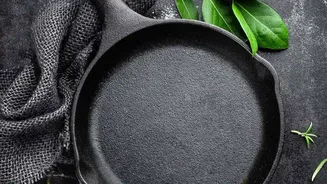
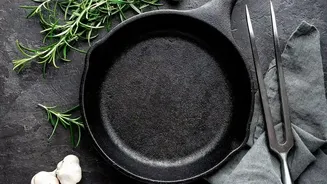
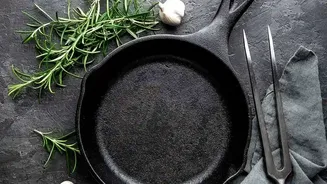
The legendary 'non-stick' quality of cast iron doesn't come straight out of the box, even with pans sold as 'pre-seasoned'. That slick, black patina is the result of seasoning: thin layers of oil baked into the pan's porous surface. This process, called
polymerization, creates a natural, easy-release finish that builds up over time. Your first few meals might not be slide-off-the-pan perfect. Cooking fatty foods like sausages or searing meats will help build this seasoning faster. But sticky foods like eggs or pancakes might be a challenge initially. The first technique check is one of patience: are you willing to build the pan’s surface with use, rather than expecting perfection on day one?
Mastering the Art of Heat Management
Cast iron is a master of heat retention, not heat conduction. This means it heats up slowly and can have hot spots if you blast it on high from the start. The biggest mistake beginners make is not preheating the pan properly. To avoid this, start with low heat for several minutes, then gradually increase to medium. This allows the heat to spread evenly across the entire surface. Once hot, it stays hot, which is fantastic for searing a steak or getting a crispy crust on potatoes. But it also means you might need to use a lower burner setting than you're used to. Rushing this process can lead to unevenly cooked food and can even risk warping or cracking the pan due to thermal shock.
The Cleaning Ritual: Forget What You've Heard
The old rule to 'never use soap' on cast iron is largely a myth for a well-seasoned pan. Modern dish soaps are much milder and won't strip away layers of hard-earned seasoning like old-fashioned lye-based soaps did. The real enemies of cast iron are soaking and air-drying. Never leave your pan to soak in the sink, as this is a fast track to rust. The correct method is to scrape out any food bits while the pan is still warm, rinse with hot water, and use a brush or scraper for stubborn spots. Then, the most crucial step: dry it completely. You can wipe it with a towel, but placing it back on a low burner for a few minutes is the best way to ensure every drop of moisture is gone. Finally, wipe a very thin layer of cooking oil inside before storing. This isn't just cleaning; it's maintenance.
Know What Foods It Loves (and Hates)
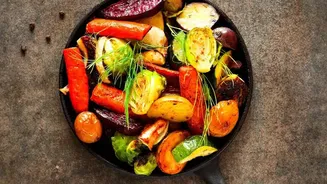
A new cast-iron pan is not the place for slow-simmered tomato sauce or deglazing with a lot of wine. Highly acidic foods can react with the metal and break down a young seasoning, potentially giving your food a metallic taste. This becomes less of an issue as the seasoning becomes more robust, but it's something to be mindful of at the start. Similarly, very delicate foods like some fish can be tricky, as the intense heat retention can cause them to stick and fall apart. Cast iron truly shines with searing meats, frying chicken, roasting vegetables, and baking things like cornbread or even pizza, where its ability to hold steady, high heat is a major advantage.