





An Old Foe with New Tricks
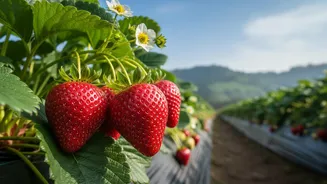
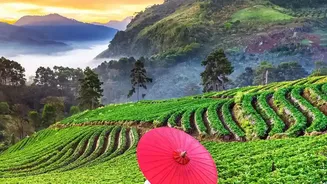
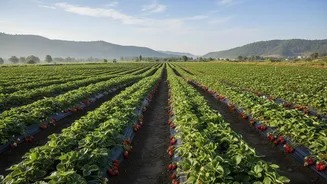
For generations, strawberry farmers in the Mahabaleshwar-Panchgani belt, which accounts for over 85% of India's total strawberry production, have battled the elements. Their high-value crop is incredibly sensitive. Strawberries require a narrow temperature
window, ideally between 15°C and 25°C, to thrive. However, climate change has made weather patterns increasingly volatile. Unseasonal rains during the peak harvest season from November to January can wipe out an entire crop overnight. Sudden heatwaves can cause the fruit to ripen too quickly, leaving it small and less flavourful, while sharp drops in temperature can push the plants into dormancy, slashing production by over 50%. These weather events not only cause massive financial losses but also create favourable conditions for pests and fungal diseases, further threatening the farmers' livelihood.
Beyond the Almanac and Old Wisdom
Traditionally, growers relied on experience and standard weather bulletins to make crucial decisions about planting, irrigating, and protecting their crops. While this knowledge is invaluable, it has struggled to keep pace with today's erratic climate. A generic forecast for the entire district is of little use when a sudden downpour can be highly localised, affecting one valley but not the next. Farmers needed something more precise and more predictive—a tool that could tell them not just if it might rain, but when and where, with enough notice to act. This need for hyperlocal, real-time data created the perfect opening for a technological intervention.
How AI Becomes a Digital Weatherman
Enter Artificial Intelligence. Across Maharashtra, agritech startups and government initiatives are deploying AI-powered platforms to give farmers a crucial edge. In Mahabaleshwar, some local farmer groups have installed weather-monitoring towers at strategic locations. These towers collect real-time data on temperature, humidity, and rainfall. This information is fed into an AI system that combines it with satellite imagery and historical weather patterns to generate highly accurate, hyperlocal forecasts. The system can predict with remarkable precision when and where rain is likely to fall. This isn't just a weather update; it's actionable intelligence delivered directly to the farmer's mobile phone, often through multilingual apps.
From Data to Decisive Action
The true power of this technology lies in how it enables farmers to make smarter, more timely decisions. For instance, if the AI predicts a rain shower in the next few hours, a farmer can delay spraying expensive pesticides or fungicides, preventing them from being washed away and saving significant costs. An alert about an impending heatwave might prompt a grower to use protective nets to shield plants from excessive sunlight. A forecast of a sudden temperature drop could be a signal to take measures to prevent frost damage. This level of precision helps optimise the use of resources like water and fertilisers, making farming more efficient and sustainable. It transforms the farmer's approach from being reactive to proactive, helping them stay one step ahead of the weather.
The Harvest of Innovation
While still in its early stages for many, the adoption of AI-led weather advice is showing promising results. Farmers who use these systems report better crop quality and reduced losses. The ability to precisely time interventions means less money is wasted on chemicals and labour, directly boosting profitability. It also brings a new level of confidence. Instead of constantly worrying about a sudden weather event ruining their hard work, farmers feel more in control. This blend of technology is not about replacing the farmer's expertise but augmenting it, allowing them to focus on what they do best: growing high-quality produce. Some farmers have seen significant improvements in their yield and the quality of their fruit, which fetches a better price in the market.
Challenges on the Path Forward
The road to widespread adoption is not without its obstacles. The initial cost of setting up sensors and subscribing to AI platforms can be a barrier for smallholder farmers. Furthermore, digital literacy and reliable internet connectivity in remote farming areas remain significant challenges. Building trust in a new system also takes time; many farmers are understandably cautious about moving away from age-old practices. Successful implementation requires not just technology but also robust training and on-ground support to help farmers understand and act on the AI-generated advice. Public-private partnerships and government support, like Maharashtra's 'MahaAgri AI' policy, are crucial for scaling these solutions and making them accessible to all.