






Choose Your Pastel Palette
Pastels create a soft, whimsical mood, but the key is to be intentional. Instead of using every soft shade at once, choose two or three primary pastels to anchor your decor. Classic combinations like soft pink and mint green, or lavender and pale yellow,
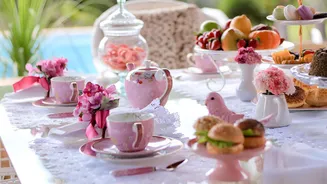
work beautifully. Consider pairing a more common pastel, like blush, with a slightly unexpected one, such as sage green or a muted coral, for a fresh, contemporary feel. These colours should guide your choices for everything from invitations and linens to the icing on your cakes. Use white or soft metallics like gold as accents to elevate the palette and keep it from feeling too sweet.
Weave in Floral Fantasies
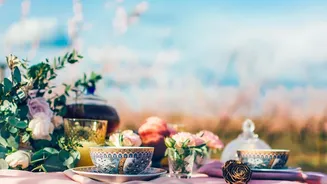
Flowers are the heart of a garden party, and they shouldn't be confined to a single centrepiece. Think of them as a recurring theme. Start with a low, lush arrangement for the main table so guests can easily chat across it. Then, scatter smaller arrangements in mismatched vessels like teapots, mason jars, or vintage pitchers around the space. You can also create a stunning visual impact by floating flower heads like roses or hydrangeas in shallow bowls of water at the drink station. For a truly immersive feel, consider stringing a simple floral garland or encouraging guests to create their own flower crowns as a party activity. Don't be afraid to mix greenery clipped from your own garden with store-bought blooms.
Set an Enchanting Table
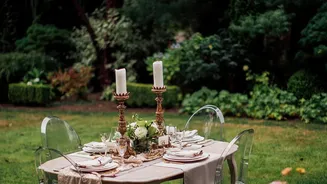
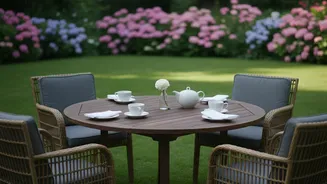
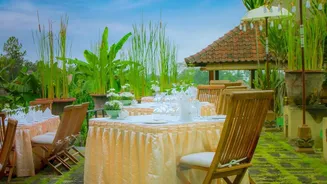
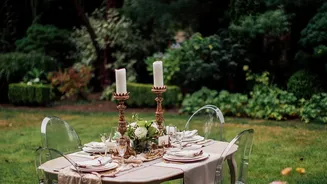
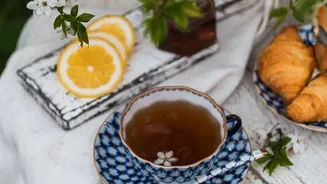
Your table is the focal point. Start with linens that match your chosen pastel palette—a solid-coloured tablecloth or a floral runner can set the stage. Mismatched vintage teacups and saucers add immense charm and can often be found inexpensively at thrift stores. Arrange your food on tiered serving trays, which create an elegant presentation and save space. For a touch of rustic elegance, consider hand-written menus or place cards, and wrap linen napkins with simple garden twine. If you're hosting in the late afternoon, weaving in fairy lights or placing candles on the table can create a magical ambiance as the sun begins to set.
Curate a Delicate Menu
A tea party menu is about delicate bites, not a heavy meal. The classic structure includes three courses: savoury sandwiches, scones, and sweets. For savouries, think classic finger sandwiches like cucumber and cream cheese or smoked salmon. Be sure to cut the crusts off for that traditional look. Next are the scones, served with jam and clotted cream. For the final tier, offer an assortment of small sweets like macarons, mini cupcakes, or lemon bars, which can be decorated to match your pastel theme. To drink, offer two to three types of tea—a classic black tea like Earl Grey, a green or herbal option, and perhaps a refreshing iced tea for a warm day.
Ensure a Stress-Free Day
The goal is to enjoy the party along with your guests. The secret to stress-free hosting is to do as much as possible in advance. Tea sandwiches can often be made the day before and stored properly. Set the table a few hours before guests arrive. Consider a buffet-style service for the food and drinks, which allows guests to help themselves and creates a more relaxed atmosphere. It also frees you from constantly serving. Have a simple playlist of soft background music ready to go to set the mood without overpowering conversation. Finally, have a contingency plan for unpredictable weather, like a designated indoor space or a covered gazebo, just in case.