

Shift Your Mindset from Chore to Choice
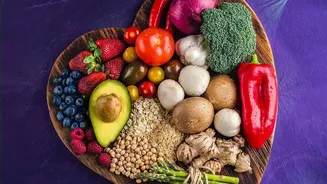
Before diving into logistics, it helps to reframe the purpose of a packed lunch. It’s not just about saving money, though the financial benefits are significant. It's about taking control of your health, managing your diet, and boosting your productivity.
A heavy, greasy meal from outside can lead to a midday slump, but a balanced home-cooked meal provides sustained energy to keep you focused. You have complete say over the ingredients, portion sizes, and flavours, ensuring you eat something you genuinely enjoy while meeting your personal health goals. Thinking of it as an investment in your well-being can provide the motivation needed to build a new habit.
The Sunday Strategy: Plan and Prep
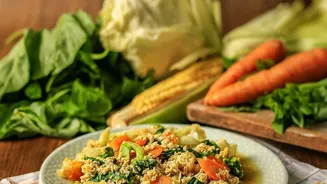
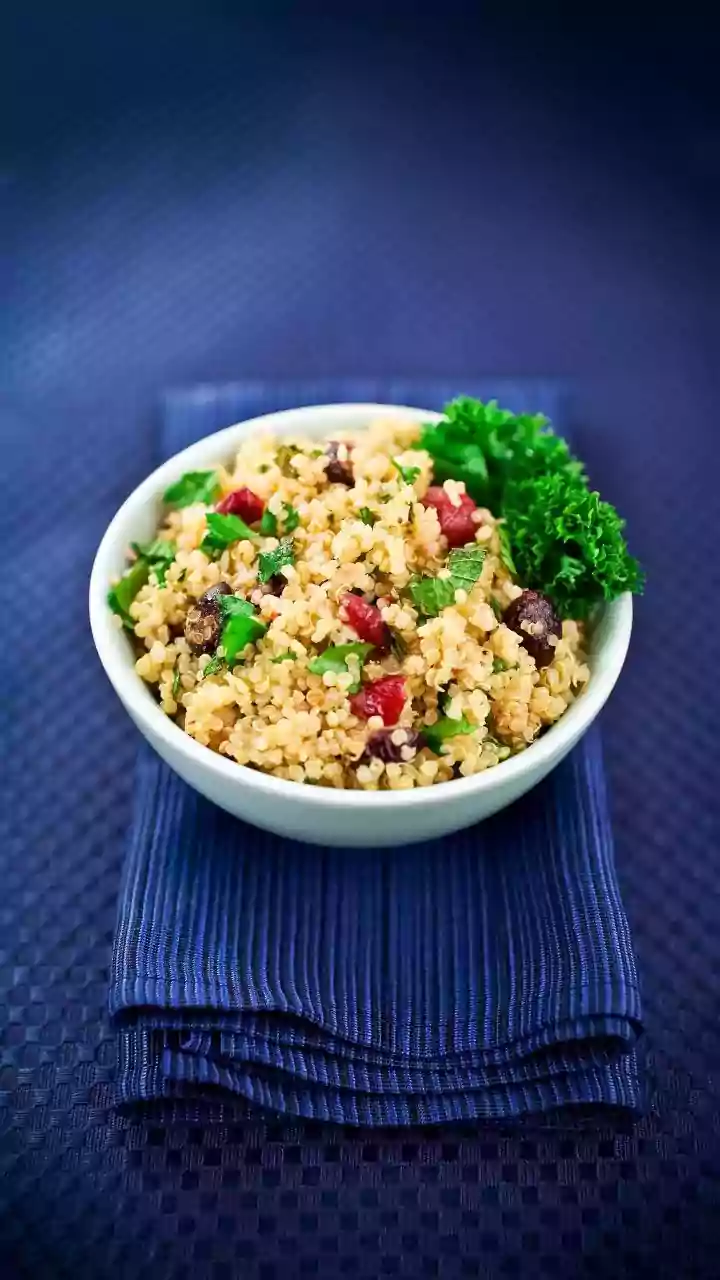
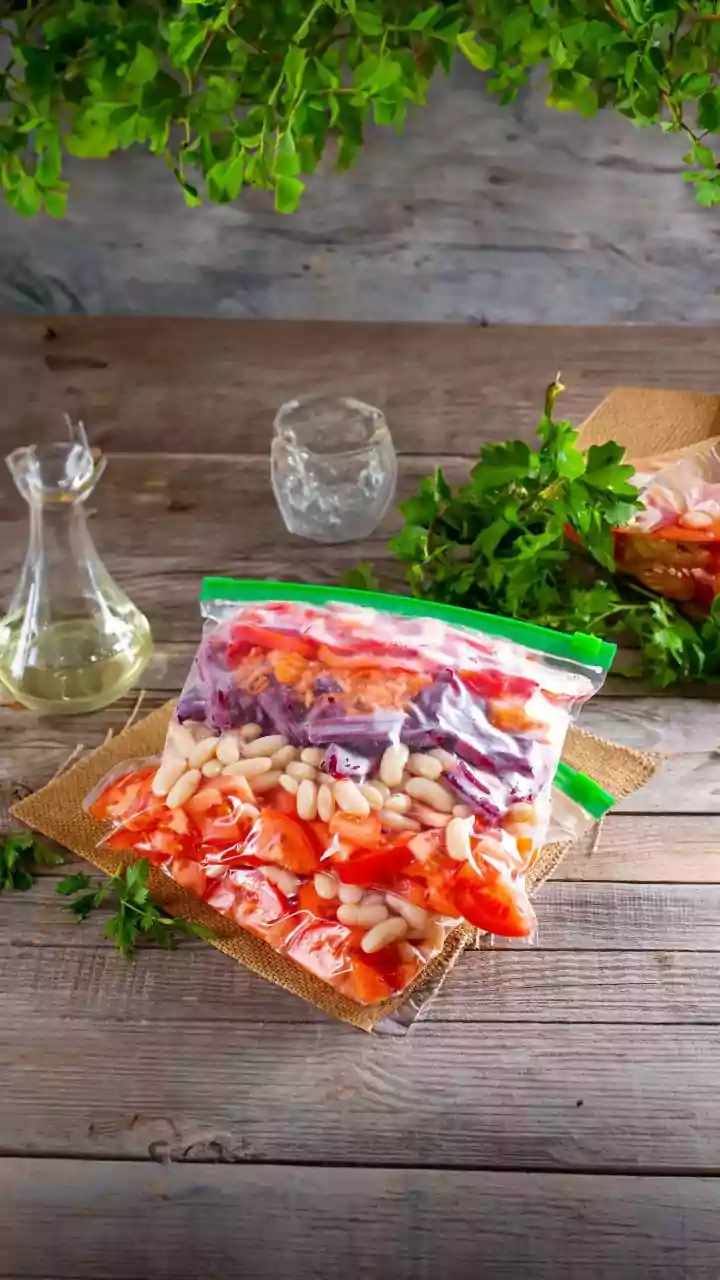
The secret to a stress-free week of lunches lies in a little weekend preparation. This doesn't mean cooking five distinct meals. Instead, focus on 'component prep'. Take an hour on Sunday to wash and chop vegetables like onions, carrots, and bell peppers. Cook a large batch of a staple grain like quinoa or brown rice. You can also prepare a versatile base, such as a large pot of dal, a basic tomato gravy, or boiled chickpeas and kidney beans. Storing these components in separate airtight containers in the fridge makes assembling a fresh lunch each morning a speedy, five-minute task rather than a full cooking session.
Embrace the 'Cook Once, Eat Twice' Rule
One of the most effective time-saving strategies is to make extra dinner with lunch in mind. When you’re already cooking a sabzi, pulao, or pasta, doubling the recipe requires very little extra effort. Before you sit down to eat dinner, immediately portion the leftovers into your lunch container for the next day. This tactic eliminates the need to think about what to pack in the morning. It also ensures you’re eating a substantial, satisfying meal. Dishes like rajma-chawal, veg biryani, or khichdi are perfect for this approach, as their flavours often improve overnight.
Assemble, Don't Cook, in the Morning
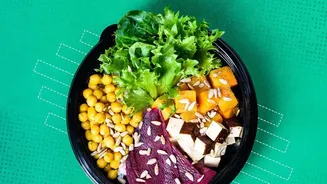
Your busy mornings should be for quick assembly only. With your pre-prepped components, this becomes simple. You can quickly put together a salad with pre-chopped veggies and pre-cooked sprouts or paneer. Mix your pre-cooked rice with a flavorful tadka you prepared over the weekend. Or, pack a methi thepla with a container of masala curd. Other quick ideas include filling a whole-grain wrap with leftover chicken and salad, or making a quick paneer bhurji. The goal is to combine ready-to-go elements into a delicious meal with minimal effort when you're short on time.
Invest in the Right Gear
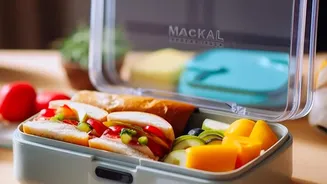
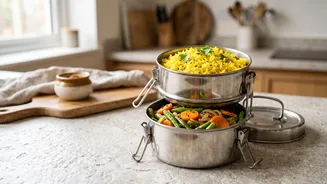
Having the right containers can make a surprising difference in your motivation to pack lunch. Investing in good-quality, leak-proof lunchboxes keeps your food fresh and appealing. Insulated bags can keep hot foods warm and cold foods crisp for hours. For dishes like soups or dal, an insulated vacuum flask is a great option. When your food looks and tastes good hours after you've packed it, the entire experience becomes more enjoyable and sustainable. It also prevents messy spills and makes your meal feel like a proper treat, not a sad desk lunch.