


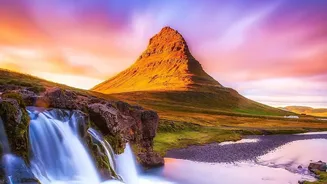
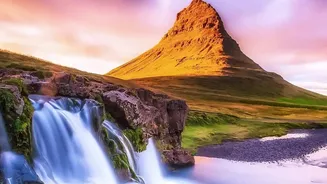
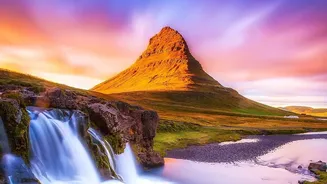
Kvernufoss: The Hidden Neighbour
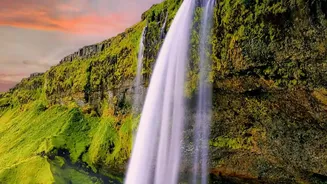
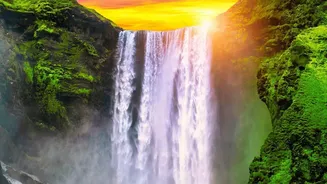
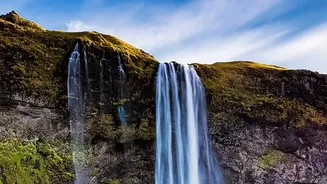
Just a short walk from the parking lot of the famous Skógar Museum lies a waterfall many visitors miss entirely. Kvernufoss is the secluded neighbour to the mighty Skógafoss, tucked away in a mossy green gorge. The hike itself is part of the charm; a relatively
easy 15-to-20-minute walk along the Kverna River leads you to the 98-foot (30-meter) cascade. What makes Kvernufoss truly special is the ability to walk behind its curtain of water, a rare experience that offers a completely different perspective from inside a misty cave. Unlike its bustling counterpart, Kvernufoss provides a moment of serene connection with nature, making the small parking fee at the museum well worth the price of admission.
Glymur: The Hiker's Reward
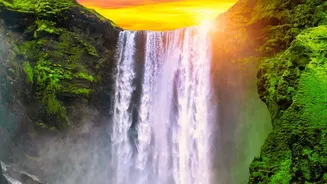
For those willing to earn their view with a bit of effort, Glymur is an unforgettable prize. Once considered Iceland's tallest waterfall, it now stands as the second-tallest at 650 feet (198 meters), and it’s the tallest one easily accessible on foot. Located in Hvalfjörður (Whale Fjord), about an hour's drive from Reykjavik, the hike to Glymur is a moderate to challenging 3- to 4-hour round trip. The trail involves walking through a cave, crossing a river with the help of a log and rope (typically in place from June to September), and navigating some steep sections. Your reward is a breathtaking view of the waterfall plunging into a deep, moss-covered canyon. It's an adventure that filters out the tour buses, leaving you with one of the most spectacular and rewarding sights in West Iceland.
Aldeyjarfoss: The Basalt Beauty
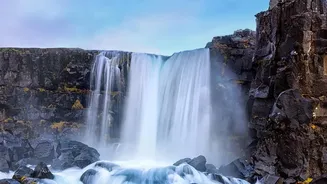
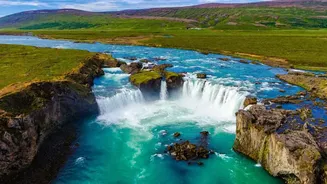
Venture into North Iceland and you'll find Aldeyjarfoss, a waterfall that looks like it was sculpted by artists. Here, the Skjálfandafljót river drops 20 meters (about 65 feet) into a dramatic amphitheater of dark, hexagonal basalt columns. This stunning contrast between the white, churning water and the perfectly formed black rock is a photographer's dream. Getting there requires a bit of dedication; while it's only about 40 kilometers from the Ring Road, the final stretch is an F-road (F26), meaning a 4x4 vehicle is strongly recommended, especially outside of peak summer. From the parking area, a short walk brings you to the viewpoint, offering a powerful display of Iceland’s raw geological artistry, far from the crowds of Goðafoss downstream.
Haifoss: The Towering Giant
Plunging 122 meters (400 feet) into a magnificent canyon, Haifoss is one of Iceland's tallest and most powerful waterfalls. Located in the Þjórsárdalur valley on the edge of the Highlands, it stands alongside its neighbour, Granni (meaning 'Neighbour'), creating a stunning double waterfall spectacle. While a 4x4 is recommended for the gravel road (Road 332) leading to the viewpoint, the journey is becoming more accessible. From the car park, it's just a 5 to 10-minute walk to the canyon's edge for a jaw-dropping panoramic view. For the more adventurous, a 1.5-hour round-trip hike can take you down into the gorge to feel the immense power of the falls up close. The sheer scale and raw beauty of Haifoss make it a humbling and awe-inspiring detour.
Bruarfoss: Iceland's Bluest Waterfall
Bruarfoss is famous for one thing: its unbelievably blue water. This isn't a towering giant, but a series of small, intricate cascades flowing into a narrow, dark channel, creating a mesmerizing color contrast. For years, access was tricky, but now visitors have two main options. For a quick visit, a paid parking lot offers a short, five-minute walk to the main falls. Alternatively, for a more immersive experience, a free parking area marks the start of a 7-kilometer (4.4-mile) round-trip hike along the river. This longer trail can get muddy but reveals smaller, equally beautiful cascades along the way. Whichever path you choose, the unique beauty of Bruarfoss makes it a standout gem on the popular Golden Circle route.