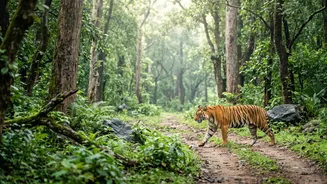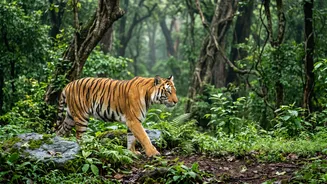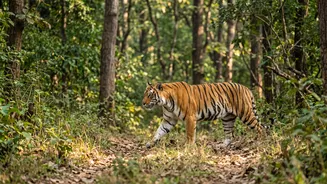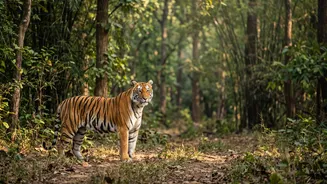



The Great October Reopening
For months, India’s national parks have been closed to visitors, a necessary pause that allows the ecosystem to rejuvenate, wildlife to breed undisturbed, and for authorities to repair tracks washed away by the monsoon rains. October marks the much-anticipated
end of this hiatus. The forests, washed clean and bursting with life, offer a spectacular backdrop for wildlife viewing. The cooler weather encourages animals to be more active during the day, and the replenished waterholes become hubs of activity, increasing the chances of memorable sightings.
Key Parks and Their Opening Dates for 2026
While most parks welcome visitors from the start of October, specific dates can vary. Ranthambore and Sariska in Rajasthan, along with Tadoba-Andhari in Maharashtra, are among the first to open their gates on October 1. Jim Corbett National Park in Uttarakhand begins a phased reopening, with its Jhirna, Garjiya, and Bijrani zones scheduled to open for day safaris on October 15. However, its famous core Dhikala zone will open later, around mid-November. In Madhya Pradesh, parks like Bandhavgarh and Pench will reopen their core zones on October 15. Assam's Manas and Kaziranga National Parks also typically reopen in early October. It's crucial to check the official websites for the most current information, as dates can be subject to change based on weather conditions.
Navigating the Permit Puzzle
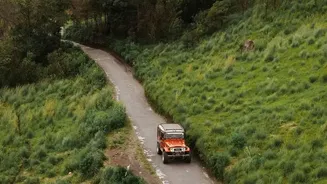
Securing a safari permit is often the biggest hurdle for aspiring visitors. As the headline suggests, availability is limited and the process requires planning. Permits for most major tiger reserves are sold exclusively online through official government portals. For popular parks like Ranthambore, Corbett, and Bandhavgarh, permits for the entire vehicle (typically a 6-seater Gypsy) can sell out within minutes of being released, which can be 45, 90, or even 120 days in advance. When booking, you must provide the full name, age, gender, and a valid government-issued ID number for every visitor, and you must carry the original ID for verification at the park gate. Mismatched details can lead to entry being denied.
Understanding Safari Zones
A national park is divided into multiple tourism zones, and not all are created equal or open at the same time. Parks often have 'core' zones, which are the central, most protected areas with high wildlife density, and 'buffer' zones, which are on the periphery. Many parks reopen their buffer zones first, while core areas may remain closed until mid-October or later to allow the habitat to settle. For instance, while some gates at Corbett open on October 15, the core Dhikala zone only becomes accessible with a mandatory overnight stay starting mid-November. Your permit is valid only for a specific zone, which is often assigned randomly by the park authorities to ensure an even distribution of tourist vehicles.
Pro Tips for a Successful Safari Trip
To maximise your chances of a great experience, booking well in advance is non-negotiable. For the peak season from October to December, start planning in August. Be flexible with your dates and even your choice of park; if permits for your first-choice destination are sold out, consider a less-famous but equally rewarding reserve. When booking, ensure your accommodation is close to the correct entry gate for your assigned safari zone, as parks can be vast. Using a reputable local tour operator can simplify the process, as they can handle permits, vehicles, and lodging. Finally, manage your expectations. While tiger sightings are the main draw, these are wild animals in their natural habitat. Enjoy the entire jungle experience—the diverse birdlife, the stunning landscapes, and the thrill of the search.