





What’s the New Plan?
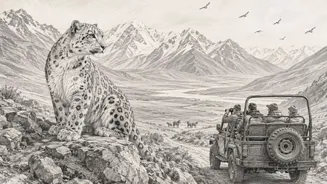
The Ladakh administration, under Lieutenant Governor V.K. Saxena, has given the green light to India's first-ever high-altitude wildlife safaris. This initiative will introduce guided jeep tours on designated snow leopard and birdwatching trails. The plan
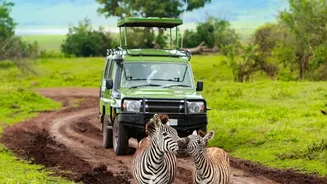
is modelled on successful safaris in national parks like Kaziranga and Ranthambore, using specially designed open-back vehicles operated by trained local drivers and guides. The move is a direct response to growing concerns over unregulated tourism, aiming to curb illegal off-roading and minimise disturbance to wildlife while providing a richer, safer experience for visitors.
Why Is This Happening Now?
For years, Ladakh has grappled with the double-edged sword of tourism. While a vital part of the local economy, the booming influx of visitors has placed immense strain on its fragile ecosystem. Issues like water scarcity, waste management, and habitat disturbance have become critical. Unregulated vehicle movement, especially off-roading in sensitive pastures, poses a significant threat to wildlife and delicate vegetation. This new policy represents a decisive shift from reactive measures to a proactive, structured framework. The decision was formalized at the first meeting of the newly formed Snow Leopard and High-Altitude Nature (SHAN) Conservation Society, signalling a strategic push for sustainable, community-led conservation.
Spotlight on Snow Leopards and Local Livelihoods
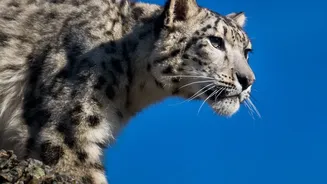
A major focus of the initiative is the snow leopard, often called the 'ghost of the mountains'. Ladakh is home to the largest population of these elusive big cats in India, with an estimated 477 of the nation's 718 individuals residing here. The structured safaris aim to make sightings possible without harming their habitat. More importantly, the model is designed to make local communities direct beneficiaries and partners in conservation. The plan includes training 20 local youths in bird identification and tracking, establishing birdwatching hides, and training women artisans to create and sell wildlife-themed souvenirs. The core principle is that economic benefits derived from tourism should provide a powerful incentive for communities to protect their natural heritage.
Which Areas Will Be Covered?
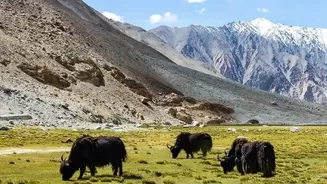
The Forest Department has been tasked with identifying and mapping out potential safari routes. These routes will be carved through some of Ladakh's most iconic and ecologically significant landscapes. The areas under consideration include Hemis National Park, the Changthang and Karakoram wildlife sanctuaries, and other wildlife-rich zones like Nubra, Zanskar, Sham, Kargil, and Drass. These regions are not only known for potential snow leopard sightings but also boast a remarkable diversity of over 340 bird species and 38 mammal species, making them biodiversity hotspots. By creating designated trails, the administration hopes to channel tourist flow and prevent the widespread environmental damage that can result from uncontrolled access.
What This Means for Tourists
For travelers planning a trip to Ladakh, this new policy will bring significant changes. Instead of freely driving into sensitive zones, visitors will likely need to book guided safaris for wildlife viewing in these protected areas. This brings a level of predictability and safety, but also regulation. The experience will be more structured, akin to a formal national park visit. While official details on routes, booking procedures, and pricing are yet to be announced, the intent is clear: to move away from a model of unchecked access towards responsible, managed eco-tourism. This formalisation is part of a broader effort that includes mandatory acclimatization periods and strict guidelines on waste disposal to ensure tourism's impact is minimized.