

Why Sand Is a Game Changer
The secret lies in the instability of sand. Unlike a flat, hard floor, sand shifts with every movement. This forces your body to work harder to maintain stability. Studies have shown that walking on sand requires significantly more energy than walking on a stable
surface. When you perform the slow, deliberate motions of Tai Chi, your muscles must constantly make micro-adjustments to keep you balanced, turning a gentle practice into a more challenging workout for your entire body.
A Boost for Your Core and Lower Body
The continuous effort to stay upright on an uneven surface provides an incredible workout for your stabilizing muscles. These are the small but mighty muscles in your ankles, knees, hips, and core that are crucial for balance and preventing injury. As you shift your weight through Tai Chi forms, the sand provides resistance that strengthens your glutes, hamstrings, and quadriceps. This low-impact resistance is an excellent way to build functional strength without putting stress on your joints, making it a great option for people of all fitness levels.
Sharpen Your Balance and Proprioception
Tai Chi is already renowned for its ability to improve balance, which is why it's often recommended for preventing falls. Practicing on sand takes this benefit to the next level. The unstable surface enhances proprioception, which is your body's awareness of its own position in space. Your sensory receptors send constant feedback to your brain, which in turn directs your muscles to react. This sharpens your mind-body connection, a core principle of Tai Chi, and makes you more stable and coordinated in your daily life.
A Meditative and Grounding Experience
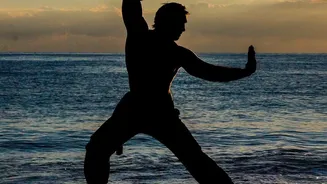
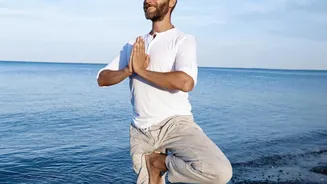
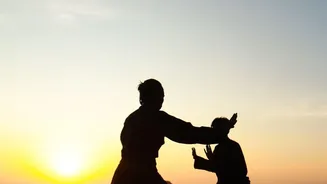
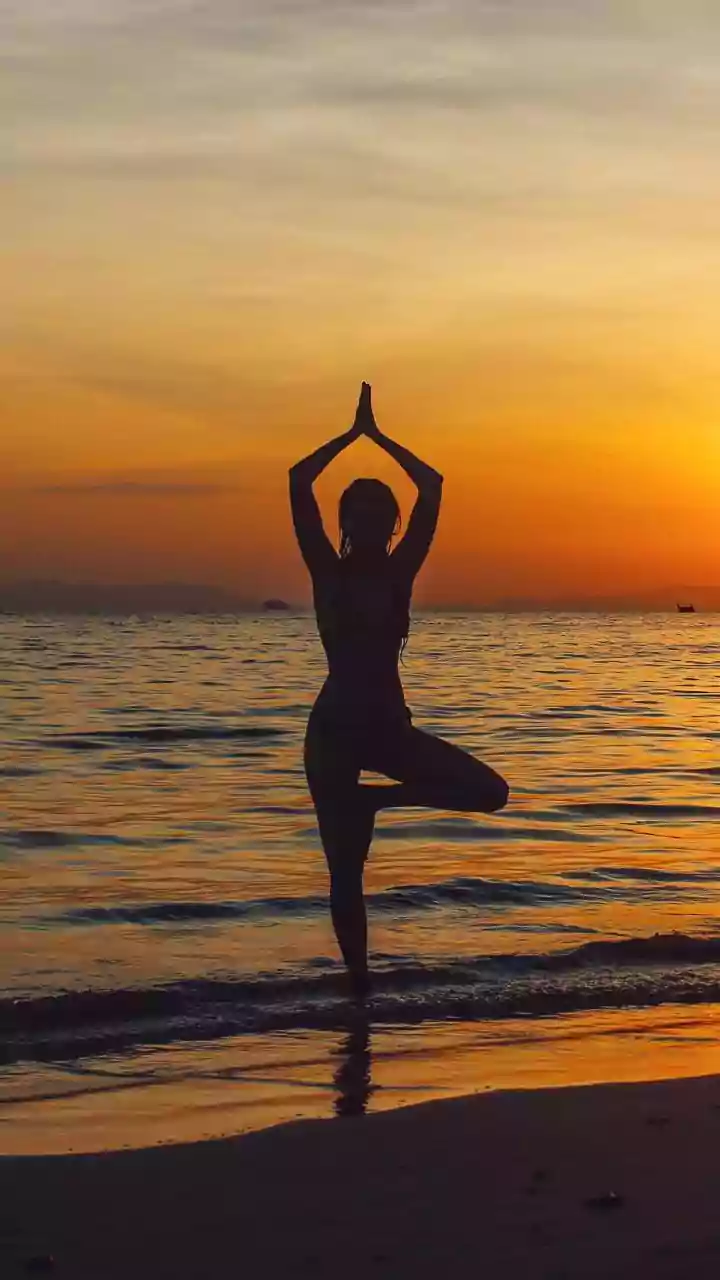
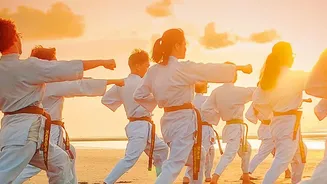
Beyond the physical challenge, practicing Tai Chi on a beach offers unique mental and emotional benefits. The rhythmic sound of the waves can help guide your breathing and movement, promoting a state of deep relaxation and focus. Many practitioners find that being outdoors in nature enhances the meditative aspect of Tai Chi, helping to reduce stress and clear the mind. The feeling of your bare feet on the sand can also be a grounding experience, connecting you directly with the earth.
How to Get Started Safely
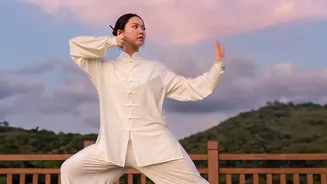
If you're ready to try Tai Chi on the sand, start slowly. Begin on the firmer, wet sand near the water's edge, as it provides a more stable base than soft, dry sand. Focus on slow, controlled movements and truly listen to your body. You may want to start with shorter sessions than you're used to, as the increased effort can be tiring. Barefoot practice can strengthen the muscles in your feet, but if you have foot or ankle issues, you might want to start with lightweight, flexible shoes. It's also wise to choose a time like early morning or late afternoon to avoid the strongest sun and heat.