







A Paradox in the Skies
On the surface, the air cargo market presents a confusing picture. Reports from early July 2026 indicated a general decline in global air cargo rates and volumes. Yet, bucking this trend, Korean Air reported a staggering 46% year-on-year surge in cargo revenue
for the second quarter of 2026, reaching over a billion dollars. This growth contributed to the airline achieving record quarterly revenue, even as it navigated challenges like soaring fuel costs. This performance is particularly noteworthy as the broader market faces headwinds, including geopolitical tensions and disruptions from events like typhoons in the Asia Pacific region. While overall global air cargo demand showed growth in June compared to the previous year, Korean Air's results significantly outpaced the average.
The E-Commerce Engine Cools
For the past few years, the rapid growth of cross-border e-commerce, fueled by fast-fashion giants and online marketplaces, was a primary driver for the air freight industry. However, that engine is now sputtering. China's low-value and e-commerce exports saw a sixth consecutive monthly decline in May 2026. The slowdown has been exacerbated by regulatory changes. The European Union removed its duty-free threshold for low-value imports on July 1, 2026, leading to an immediate and sharp contraction in freight from Asia to Europe. This follows similar tightening in the US, collectively dampening the trade that had kept so many cargo planes full. Analysts now believe the explosive e-commerce growth phase that benefited air cargo is unlikely to be revived in the same way.
The New Titans of Air Freight
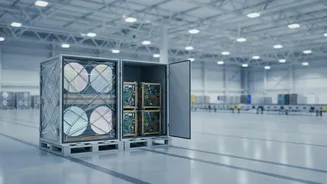
If not online shopping hauls, what is driving Korean Air's success? The answer lies in high-value, time-sensitive goods. The global race to build artificial intelligence infrastructure has created a massive, sustained demand for semiconductors and related server components. According to industry data, this AI-driven freight boom is replacing e-commerce as the main engine of air cargo growth. Taiwan Semiconductor Manufacturing Company (TSMC), a key player, projects that demand for AI-related chips will remain strong through 2030, suggesting this is a long-term structural shift, not a temporary spike. Korean Air has successfully tapped into this, with its cargo performance strongly supported by demand for electronic components and semiconductor capital equipment, especially from its Malaysian operations.
A Calculated Strategic Pivot
Korean Air’s current success is not accidental. The airline has been strategically targeting high-value cargo to offset market volatility. Beyond semiconductors, the company has seen strong demand for South Korean beauty products, or 'K-beauty,' which often require expedited air shipping. This pivot is supported by significant infrastructure investments. The airline is completing a major renovation of its primary cargo terminal at Incheon International Airport to increase handling volume by 25% and enhance capabilities for specialty cargo. Similar upgrades are underway at its hub at New York's JFK Airport. This focus on specialised handling for high-tech and other valuable goods positions the airline to capture the most lucrative segments of the cargo market. The airline has long focused on evolving its services, historically targeting IT products and other niche markets to maintain a leading position.
The Future of Air Cargo
The shifting dynamics signal a new era for the air freight industry. The reliance on the high-volume, low-margin e-commerce parcel trade is giving way to a focus on more specialised, high-value supply chains. Korean Air's strategy reflects this change, with a senior executive stating the company anticipates strong cargo demand to persist, driven by the AI industry. As the airline moves to finalise its integration with Asiana Airlines, it is poised to further consolidate its position, leveraging an expanded network and enhanced terminal capacity. The lesson for the broader industry is clear: in a market where one major driver is fading, resilience and growth depend on the ability to identify and aggressively pursue the next wave of demand, which for now is firmly rooted in the world's insatiable appetite for advanced technology.