



The Rise of the Stargazer's Quest
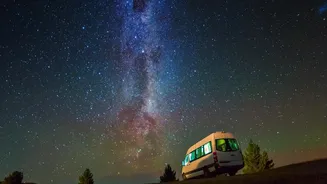
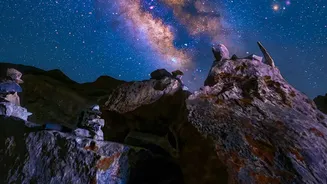
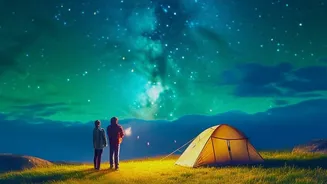
Dark-sky tourism, often called astrotourism, is more than just a holiday; it is a purposeful journey to places with minimal artificial light pollution. For generations, humans have looked to the stars for navigation, culture, and inspiration. Yet today,
it is estimated that 80% of people in places like the United States can no longer see the Milky Way from their homes. This loss has sparked a desire to reconnect with the cosmos. Dark-sky tourism involves travelling to designated reserves, parks, or remote areas specifically to experience the night sky in its natural, brilliant state. This growing trend is not just about the breathtaking views; it is about a sustainable form of travel that offers profound benefits to the environment and the people who call these remote places home.
A Powerful Tool for Conservation
The core principle of dark-sky tourism is the fight against light pollution. Excessive artificial light at night does more than just obscure the stars; it profoundly disrupts ecosystems. Scientific evidence shows that it interferes with the life cycles of countless species, from migratory birds and nocturnal insects to sea turtles and amphibians. Animals depend on the natural rhythm of day and night for everything from reproduction and finding food to sleep and protection from predators. By creating and promoting dark-sky places, we actively work to preserve these natural cycles. The process of getting a 'Dark Sky' certification from organisations like DarkSky International involves creating and enforcing strict lighting policies, retrofitting lights to be more efficient, and raising community awareness. This not only protects wildlife but also conserves energy and restores a crucial, often overlooked, part of our natural heritage.
Empowering Remote and Rural Communities
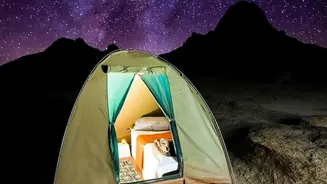
Perhaps the most inspiring aspect of dark-sky tourism is its direct, positive impact on local economies. The best places for stargazing are often remote, rural areas that have historically seen limited benefits from mainstream tourism. Astrotourism changes this by creating new, sustainable livelihoods. Visitors need places to stay, food to eat, and guides to explain the cosmos, creating year-round revenue streams that are owned and operated by the community. This economic boost can be transformative. In many regions, local people, including many women, are trained as 'Astronomy Ambassadors' or guides, providing them with skills, income, and a sense of ownership. This model helps combat rural depopulation by giving young people a reason to stay and build a future in their home villages, using the sky above them as a unique economic asset.
India's Starry Night in Hanle
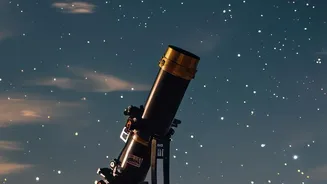
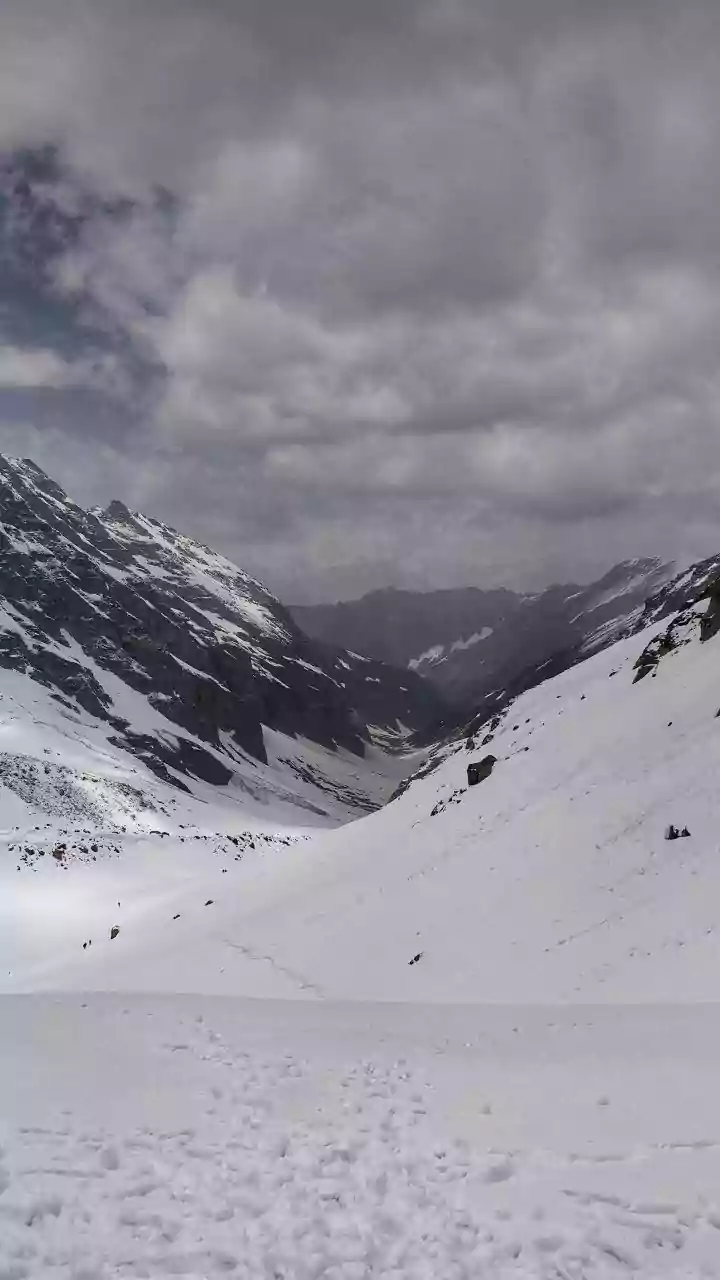
India is embracing this global movement with the establishment of its very first Dark Sky Reserve in Hanle, Ladakh. Situated high on the Changthang plateau at an altitude of over 4,500 metres, Hanle offers some of the clearest, darkest skies on the planet. Officially designated in 2022, the reserve covers a 22-kilometre radius around the Indian Astronomical Observatory. The project is a collaboration between scientists and the local administration to protect this pristine environment from light pollution. But it's also a powerful community initiative. Villagers have been trained as astronomy guides and provided with telescopes to lead tours for visitors. The income from homestays and guided sessions flows directly into the local economy, creating a sustainable development model where science, conservation, and community well-being are perfectly aligned. The motto 'come for the mountains, stay for the stars' perfectly captures this unique blend of adventure and purpose.