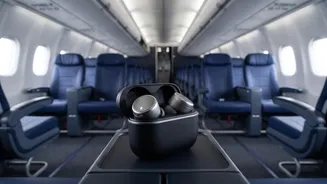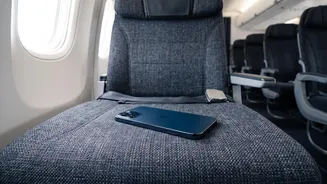








The sinking feeling is universal. You’ve just walked off the plane and realize your tablet, headphones, or wallet is still in the seat-back pocket. Your first instinct is to run back, but it's not that simple. Here’s why.
Why You Can't Just Walk Back On
Once you step off the aircraft
and into the terminal, re-boarding is prohibited for two major reasons: security and logistics. For security, airlines have a strict count of who is on board at all times. Allowing passengers to re-enter after deplaning complicates this count and creates a security loophole. From a logistical standpoint, airlines operate on incredibly tight schedules. The moment the last passenger gets off, a flurry of activity begins. Cleaning crews, caterers, and refueling teams rush to 'turn' the aircraft for its next flight, which might already be boarding. Allowing a passenger to swim upstream against the flow of deplaning crowds or to interrupt the cleaning and preparation process would cause a chain reaction of delays.
Who Actually Handles Your Lost Item
Contrary to what many believe, the flight attendants you just spent hours with are not responsible for retrieving your forgotten item. Once they have completed their post-flight checks and helped passengers disembark, their duties for that flight are often over. The responsibility for found items typically falls to the cleaning crew and the airline's ground staff. These teams sweep the cabin for any belongings left behind. These items are then logged and taken to either the airline’s designated baggage service office or the airport's central lost and found department. The exact location depends on the airline and the specific airport's procedures.
Your Immediate Action Plan
Time is of the essence. If you realize your item is missing while you are still at the gate or on the jet bridge, immediately alert the gate agent or a flight attendant. Do not go to baggage claim or stop for coffee. A crew member who is still on the plane may be able to retrieve it for you. If you’ve already walked into the terminal, your best bet is to go directly back to the gate agent. They have direct communication with the aircraft crew and can relay the message. Be prepared to provide your flight number, seat number, and a very specific description of the item. Vague descriptions like 'a black phone' are much harder to track than 'a black iPhone in a clear case with a chip on the corner'.
Filing an Official Lost Item Report
If you've already left the airport, your only recourse is to file a formal lost and found report. Nearly all major airlines, including Delta, United, and American, have dedicated online forms for this purpose. It is crucial to be as detailed as possible in your report; include the brand, color, size, serial numbers for electronics, and any other unique identifying features. Once you submit the report, you will typically receive a reference number and email updates on the status of the search. Airlines generally hold onto found items for about 30 days before they are considered unclaimed. If your item is found, you will be contacted with instructions for its return, though you will likely have to cover any shipping costs.
Prevention Is the Best Strategy
The simplest way to avoid this stressful situation is to develop a routine before you deplane. Always perform a final check of the seat pocket, the area under your seat, and the overhead bin. It's easy for small items to fall out of pockets or get kicked under the seat in front of you. Try to keep all your small, important belongings—like your phone, wallet, passport, and earbuds—inside a single bag rather than loose in your pockets or the seat back. For particularly valuable items, consider using a brightly colored case or attaching a tracking tag to make them more visible and easier to find. A quick final glance before you stand up can save you hours of stress and paperwork later.