




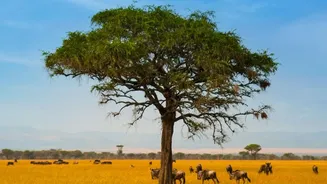
A Land of Water and Dust
Moremi Game Reserve is not just another wildlife sanctuary; it is a masterpiece of ecological diversity. Covering over 5,000 square kilometres, it's the only officially protected part of the vast Okavango Delta. This unique status means it preserves a fascinating
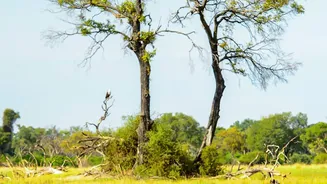
collision of environments. To the north and west, you'll find the Delta's iconic liquid landscapes: a maze of lagoons, channels, and seasonal floodplains. To the east, this watery world gives way to the Mopane Tongue, a peninsula of dry land featuring mopane and acacia woodlands that feels more like the classic African savanna. This combination of wet and dry ecosystems is the engine behind Moremi's incredible biodiversity, supporting a vast range of animals and offering distinctly different safari experiences, sometimes on the same day.
The Okavango's Liquid Heart
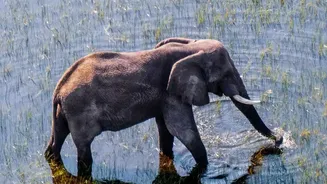
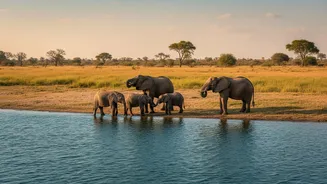
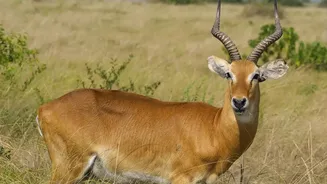
The water-based experience in Moremi is serene and deeply immersive. The best way to explore this liquid world is by a traditional dugout canoe, or mokoro. Gliding silently through papyrus-fringed channels, you get a water-level view of the smaller wonders of the Delta, from jewel-like reed frogs to exquisite water lilies, all while keeping an eye out for hippos in the deeper lagoons. Motorboat excursions are also popular, allowing you to cover more ground and explore larger bodies of water like the Xakanaxa Lagoon. These water safaris are exceptional for birdwatching, with over 500 species recorded, including the majestic African fish eagle and colourful malachite kingfishers. You’ll also spot elephants bathing and rare swamp-dwelling antelopes like the red lechwe.
Classic Safari on Dry Land
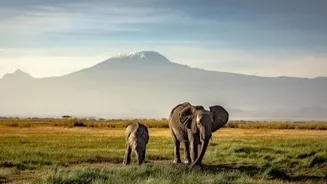
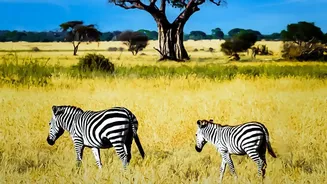
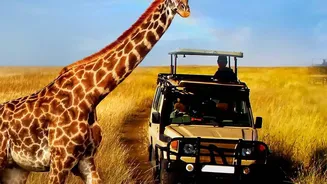
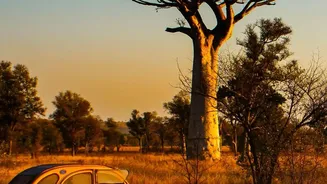
Away from the water's edge, Moremi delivers a thrilling, classic safari on its dry plains and in its woodlands. This is the domain of 4x4 game drives, where expert guides track Africa’s most sought-after wildlife. The reserve is renowned for its healthy predator populations, including large lion prides, elusive leopards, and highly endangered African wild dogs, which have been studied here for decades. Large herds of elephants and Cape buffalo are a common sight, moving between the woodlands and the permanent water sources. Following the recent reintroduction of both black and white rhino, Moremi is once again a 'Big Five' destination, offering visitors the chance to see all of Africa’s most iconic large mammals in one protected area.
Lodges as Your Gateway
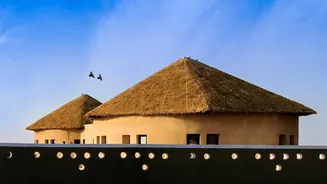
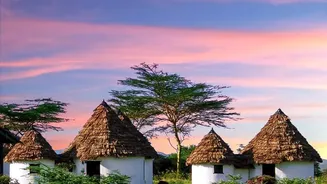
The safari lodges inside Moremi are designed to be more than just a place to sleep; they are your base for exploration, each offering a different flavour of the reserve. Lodges around the Xakanaxa area, such as Camp Moremi and Xakanaxa Camp, are perfectly positioned to offer a blend of both land and water activities. They provide a balanced experience, allowing for morning game drives and afternoon boat cruises. Other camps, particularly those on Chief's Island—the largest island in the Delta—are famous for their incredible density of big game and offer a more land-focused safari. These lodges, built with a light footprint using thatch and wood, offer luxury and comfort while immersing you in the wilderness, often with wildlife wandering right through the camp.
The Rhythms of the Seasons
Choosing when to visit Moremi depends entirely on the experience you seek. The seasons dramatically transform the landscape and the wildlife viewing. The dry season, from roughly May to October, is considered peak safari time. As seasonal pans dry up, animals concentrate in huge numbers around the permanent rivers and lagoons, making for intense and dramatic sightings. Paradoxically, this is also when the annual floodwaters from Angola arrive, swelling the Delta and opening up its channels for boating and mokoro trips. Conversely, the green season (November to March) sees the return of the rains. The landscape becomes lush and vibrant, migratory birds arrive, and it’s a time of birth for many grazing animals, which in turn attracts predators.