




A Vision for a High-Speed Nation
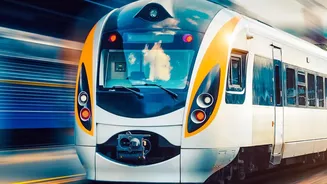
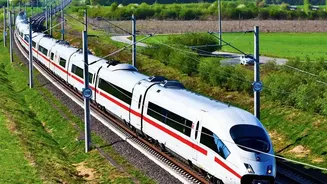
After years of focusing on the 508-km Mumbai-Ahmedabad High-Speed Rail (MAHSR) corridor, India has announced a major expansion of its bullet train network. In the Union Budget for 2026-27, seven new high-speed corridors spanning approximately 4,000 kilometres
were unveiled. These routes are intended to connect major economic and population centres, including Delhi-Varanasi, Mumbai-Pune, Pune-Hyderabad, Chennai-Bengaluru, and others, promising to slash travel times between key cities to just a few hours. The plan is not just to build more lines but to do so more efficiently. The National High Speed Rail Corporation Limited (NHSRCL) is developing a standardised design for infrastructure like viaducts, bridges, and stations, based on learnings from the MAHSR project. This 'design once, build everywhere' approach aims to speed up construction, reduce costs, and ensure consistent quality across the future network.
The Feasibility Gauntlet
Before a single track is laid, each proposed corridor must pass a rigorous techno-economic feasibility study. Final approval hinges on the findings of a Detailed Project Report (DPR), which serves as the comprehensive blueprint for the project. These reports analyse everything from projected passenger numbers and geological surveys to the precise alignment of the route. A major challenge in this phase is land acquisition. Acquiring long, contiguous stretches of land, especially through densely populated areas and agricultural belts, is a complex process in India, often leading to significant delays and cost overruns. The process involves extensive legal procedures, negotiations with countless landowners, and environmental impact assessments, which can stall projects for years if not managed proactively.
The Immense Cost and Financing Puzzle
High-speed rail is incredibly expensive. The proposed seven-corridor network comes with an estimated price tag of around ₹16 lakh crore. For context, the Delhi-Varanasi corridor alone is projected to cost approximately ₹1.71 lakh crore. While the first MAHSR project has been heavily financed by a low-interest loan from the Japan International Cooperation Agency (JICA), securing similar funding for seven more corridors is a major challenge. The government is exploring various financing models, including public-private partnerships (PPPs) and loans from other multilateral agencies. However, international funders may demand higher interest rates or other conditions. With the Indian Railways' own finances stretched, finding the capital to turn this grand vision into a reality without over-burdening the national budget is the single biggest question mark hanging over the entire program.
Lessons from the Mumbai-Ahmedabad Project
The ongoing construction of the Mumbai-Ahmedabad line provides a real-world case study of the challenges ahead. The project has faced delays due to land acquisition issues, particularly in Maharashtra. At the same time, it has become a valuable testbed for implementing new technologies in India, from Japan's Shinkansen system to advanced electrification and earthquake detection systems. The NHSRCL is actively using the experience to create a 'design library' with technical partners like the IITs, aiming to standardise components and indigenise manufacturing under the 'Make in India' initiative. This will not only make future projects cheaper and faster but also build a domestic ecosystem for high-speed rail technology. The first section of the MAHSR corridor is targeted for an August 2027 opening, which will serve as a crucial proof of concept for the entire network.