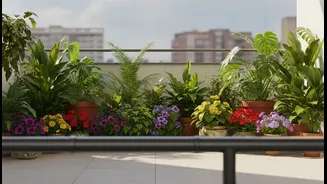








Check 1: The Load on Your Balcony
The single most important check is your balcony's load-bearing capacity. Soil, pots, water, plants, and people all add up, and exceeding the structural limit is a serious safety risk. Residential balconies are often designed to support between 40 to 60
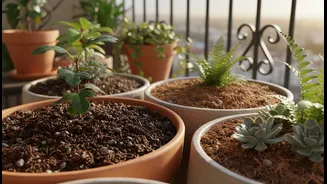
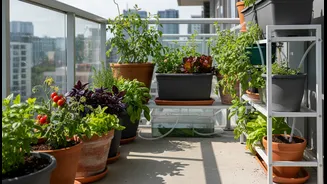
pounds per square foot (psf). A large pot filled with wet soil can weigh hundreds of pounds, concentrating a massive load in a small area. The weight of soil can increase dramatically when saturated with water. To be safe, first check with your building management or a structural engineer to confirm your balcony's specific weight limit. Opt for lightweight materials like plastic, resin, or fabric containers instead of heavy ceramic or concrete ones. Use lighter potting mixes containing perlite or coir instead of dense garden soil. Arrange heavier items closer to the building's load-bearing walls rather than near the outer edge.
Check 2: The Force of the Wind
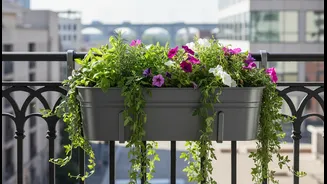
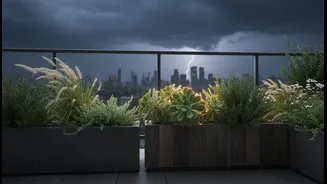
The higher your apartment, the stronger and more persistent the wind. This constant airflow can be a major challenge, desiccating plants, damaging leaves, and even toppling pots. Balconies, especially on higher floors or corner units, can create wind tunnel effects. To counter this, choose heavy, stable pots with a low center of gravity. Avoid tall, slender plants that can easily snap. Instead, opt for wind-tolerant species like rosemary, lavender, sedums, and ornamental grasses. You can also create a more protected microclimate by installing a windscreen made of reed, bamboo, or a sturdy trellis. Securing pots to railings with ties or using brackets can also prevent accidents on blustery days.
Check 3: The Flow of Water
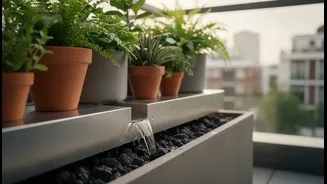
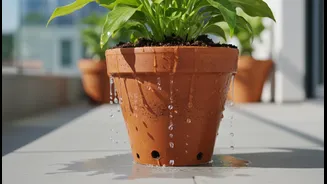
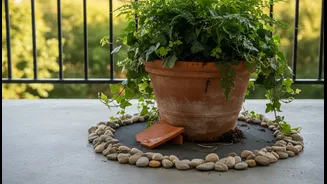
Watering is a constant task for container gardens, as they dry out much faster than gardens in the ground. First, consider your water source. If you don't have an outdoor tap, you'll need a plan. Options include using a large watering can, a long-spout indoor can, or a sink-to-hose adapter. The second, equally important aspect is drainage. All pots must have drainage holes to prevent root rot. However, runoff can stain your balcony floor and drip onto neighbours below. To manage this, use deep saucers under each pot, but be sure to empty them after watering so plants aren't left sitting in water. For a lower-maintenance setup, consider self-watering pots or a DIY drip irrigation system, which deliver water directly to the roots and minimize waste.
Check 4: The Position for Sunlight
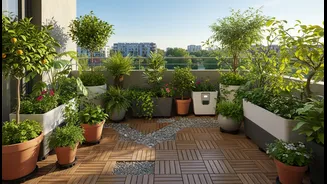
The final check is mapping your sunlight. The amount and intensity of sun your balcony receives will dictate what you can grow. A south-facing balcony typically gets strong, all-day sun, ideal for heat-loving vegetables like tomatoes and peppers. An east-facing balcony gets gentler morning sun, while a west-facing one gets intense afternoon heat. North-facing balconies receive the least light and are best for shade-tolerant plants like ferns and some leafy greens. To understand your specific conditions, track the sun's path across your balcony for a full day. Note where shadows fall and for how long. You can sketch a simple map or use a sun-tracking app. This 'sun map' is your most valuable tool for choosing the right plants for the right spot, ensuring they get the light they need to flourish.