







The Golden Duo of Wellness
For centuries, both turmeric (haldi) and ginger (adrak) have been celebrated in traditional medicine for their powerful properties. Ginger is well-regarded for its ability to aid digestion and soothe nausea. Turmeric contains curcumin, a compound known
for its anti-inflammatory and antioxidant effects. Research suggests that their benefits may be complementary when consumed together. However, the body doesn't easily absorb curcumin on its own. A simple trick is to pair turmeric with a pinch of black pepper. The piperine in black pepper can significantly enhance the absorption of curcumin, a synergy that has been understood in Indian cooking for generations. Incorporating these spices into your daily diet is a flavourful way to support your overall well-being.
Mastering in Curries and Sabzis
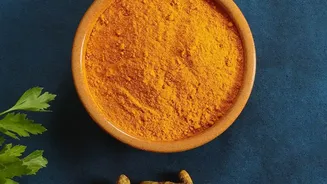
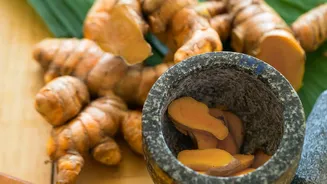
In Indian cooking, turmeric and ginger are foundational. While powdered turmeric is a pantry staple, using fresh turmeric root offers a more complex, earthy flavour and a deeper orange hue. The key to unlocking their full potential in a curry lies in the initial 'bhunao' or sautéing stage. Start by heating oil or ghee and frying aromatics like onions, followed by a freshly ground paste of ginger and garlic. Add the turmeric powder or grated fresh root along with other spices like coriander and cumin, and cook for a minute until fragrant before adding your main ingredients. This step cooks the rawness out of the spices and creates a rich flavour base. For a classic Rajasthani dish, 'Kachhi Haldi ki Sabji', fresh turmeric is the star, cooked with ghee, peas, and a yogurt-based gravy. Crushing ginger in a mortar and pestle, rather than just slicing it, helps release more of its juices and potent flavour into the dish.
A Spoonful of Comfort in Soups
Adding turmeric and ginger can transform a simple soup into a warming, nourishing meal. For a clear, restorative broth, simmer grated ginger, turmeric, and other whole spices in vegetable or chicken stock before straining. This infusion is perfect for soothing a sore throat or settling an upset stomach. For a heartier soup, you can create a flavourful paste by blending fresh ginger and turmeric with garlic, shallots, and a little coconut oil. Sauté this paste in a pot, then add stock and coconut milk for a creamy and aromatic base perfect for noodles, lentils, or vegetables like carrots and squash. Even a simple chicken soup can be elevated by blooming ground turmeric and ginger in the pot with onions and garlic before adding the broth and chicken, infusing the entire dish with their gentle heat.
Soothing Sips and Warm Drinks
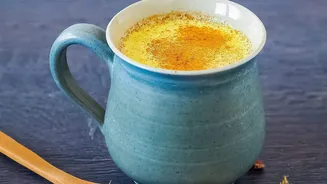
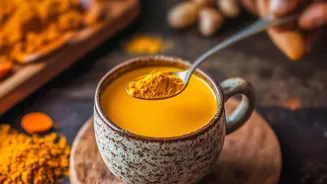
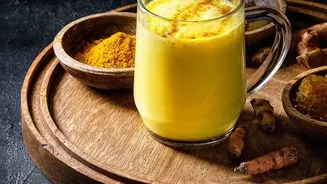
Perhaps the most comforting way to enjoy this pair is in a warm beverage. The quintessential 'Haldi Doodh', or Golden Milk, is a timeless home remedy. To prepare it traditionally, gently heat milk and whisk in turmeric powder and a pinch of black pepper. You can enhance it with a slice of ginger, a cinnamon stick, and cardamom for a more spiced version. Another beloved classic is 'Adrak Chai', or ginger tea. The secret to a perfect cup is to boil crushed ginger in water first to create a strong infusion before adding tea leaves and milk. This prevents the ginger's enzymes from curdling the milk and ensures a robust flavour. For a simple, caffeine-free drink, just simmer fresh ginger and turmeric in water, strain, and add a squeeze of lemon and a touch of honey once it has cooled slightly.