






The Prime Time: Antarctic Summer
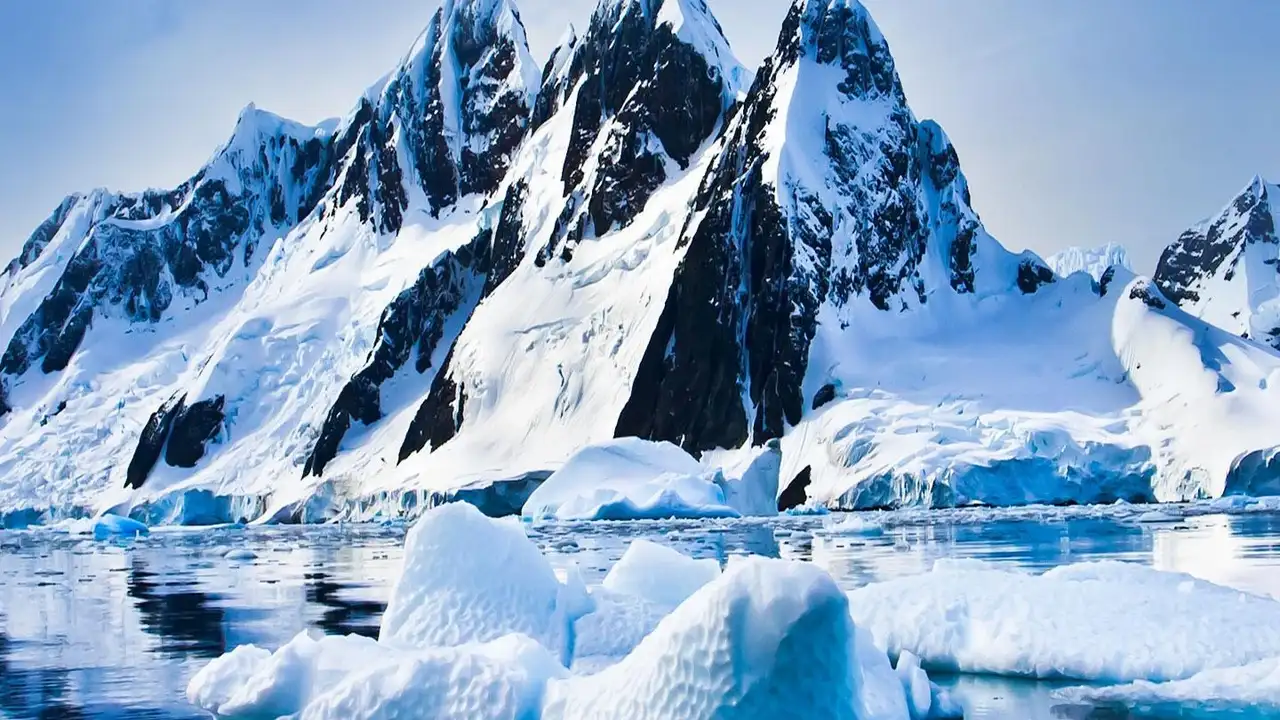
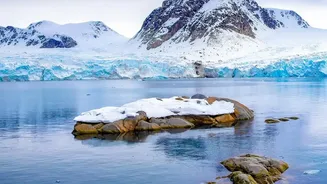
Antarctica is accessible to tourists for only a short period each year—the Southern Hemisphere’s summer, which runs from roughly November to March. This is when the continent briefly sheds its hostile winter persona. The vast sea ice that locks down the coastline
breaks apart, allowing expedition ships to navigate its waters. Temperatures become more manageable, hovering around freezing instead of plunging into deep negatives. Perhaps most magical of all, the sun barely sets, with December and January offering nearly 24 hours of daylight, giving you endless time to soak in the otherworldly scenery. Outside this five-month window, the continent is left to its extreme cold, perpetual darkness, and the hardy scientists who call it home.
Choosing Your Ideal Month
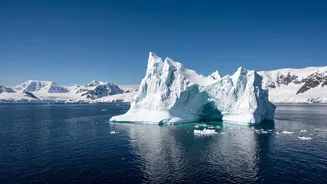
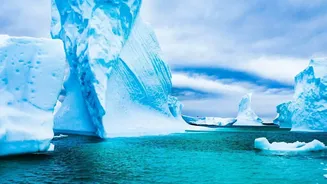
While the entire summer season is spectacular, each month offers a different flavour of Antarctic magic. If you dream of pristine, snow-covered landscapes and dramatic, untouched icebergs, the early season of November is perfect. This is also when you'll witness penguins and other birds engaging in their courtship rituals. The high season of December and January is the most popular for good reason: it’s the warmest, has the most daylight, and it’s when fluffy penguin chicks begin to hatch, a sight that melts even the coldest of hearts. If your main goal is to see whales, plan your trip for the late season in February and March. Humpbacks, minkes, and orcas are most active during this period, feeding in the krill-rich waters before their migration north.
The Gateway: Southern South America
The overwhelming majority of Antarctic expeditions begin from the southern tip of South America. The reason is simple geography: the Antarctic Peninsula, the most accessible and wildlife-rich part of the continent, juts out directly towards South America, making it the closest landmass. This proximity creates a natural launching point for the journey south. Two cities, one in Argentina and one in Chile, serve as the primary hubs for Antarctic travellers. Your choice between them will likely depend on what kind of journey you prefer and your tolerance for rough seas.
Ushuaia, Argentina: The Classic Sea Voyage
Ushuaia, often called the 'City at the End of the World', is the most popular departure port for Antarctic cruises. Located in Argentina's Tierra del Fuego province, this is the starting point for traditional expedition voyages. From here, ships set sail across the legendary Drake Passage, a body of water separating South America from Antarctica. The crossing takes about two days and is notorious for having some of the roughest seas on the planet. For many travellers, conquering the 'Drake Shake' is a rite of passage, an essential part of the adventure that builds anticipation for the calm, icy wonderland that awaits.
Punta Arenas, Chile: The Fly-and-Cruise Shortcut
If the thought of a two-day sea crossing makes you queasy, there is another way. Punta Arenas in Chile is the main hub for 'fly-cruise' expeditions. This option allows you to bypass the Drake Passage entirely. Travellers take a two-hour charter flight from Punta Arenas directly to King George Island in the South Shetland Islands, just off the Antarctic coast. There, you board your expedition ship and can begin exploring almost immediately. This model saves about four days of travel time compared to the traditional cruise, making it a great option for those with a tighter schedule, though it often comes at a higher price.
The Investment for a Trip of a Lifetime
A trip to Antarctica is a significant investment, but the experience is truly priceless. Prices vary widely based on the length of the trip, the luxury level of the ship, and the time of season you travel. For a standard 10-11 day expedition cruise to the Antarctic Peninsula, you can expect to budget anywhere from ₹5,00,000 to ₹12,50,000 (approximately $6,000 to $15,000 USD) per person. Luxury suites and longer itineraries that include destinations like South Georgia and the Falkland Islands can cost upwards of ₹20,00,000 ($25,000 USD). These costs typically cover your accommodation and all meals on the ship, as well as daily excursions like Zodiac boat tours and shore landings. However, they generally do not include your international flights to South America, travel insurance (which is mandatory), or gratuities.