



Getting to Know Your Greens
Bok choy, also known as pak choi, is a type of Chinese cabbage that doesn't form a head like its more common relatives. Instead, it has smooth, dark green leaves atop crisp, white stalks. You can typically find both mature and 'baby' bok choy, with the
latter being more tender and milder in flavour. One of its greatest strengths is how easy it is to prepare. The entire vegetable is edible; just give it a good rinse to remove any grit that might be trapped between the stems, and trim off the very bottom of the root end. For larger heads, you can separate the leaves from the stalks, as they cook at slightly different rates. Another popular method is to simply slice the head in half or into quarters lengthwise, which works beautifully for searing or steaming.
The 10-Minute Stir-Fry
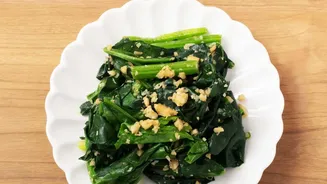
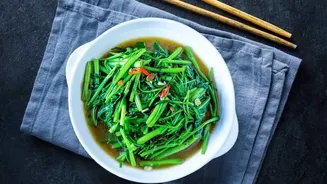
When time is short, a stir-fry is your best friend, and bok choy is a star player. Its crisp stems and tender leaves cook in minutes. For a classic and flavourful approach, start by heating a neutral oil in a wok or large skillet over high heat. Toss in minced garlic and grated ginger, cooking for just 30 seconds until fragrant. Next, add the bok choy. If you've separated the parts, add the stems first and cook for a minute or two until they start to soften, then add the leaves. If you've halved the bok choy, place it cut-side down to get a nice sear for about two minutes before flipping. A simple sauce of soy sauce, a touch of sugar, and sesame oil can be whisked together and added to the pan for the final minute of cooking. The key is to cook it quickly so the stems remain tender-crisp.
Comfort in a Bowl: Soups and Noodles
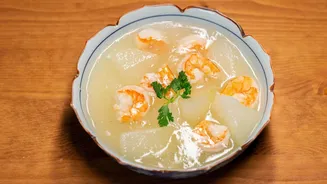
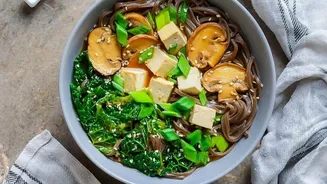
Bok choy adds a fresh, slightly sweet element to comforting soups and noodle bowls. Its ability to absorb broth makes it incredibly satisfying. You can add it to a simple chicken or vegetable broth that has been infused with ginger, garlic, and perhaps a star anise for depth. To ensure perfect texture, timing is everything. Add the tougher white stems to the simmering broth about five minutes before you're ready to serve, then add the delicate green leaves in the last minute or two of cooking so they just wilt while retaining their vibrant colour. This method prevents the leaves from becoming overcooked and mushy. It’s a perfect addition to a quick ramen or udon noodle soup, instantly elevating it into a more complete and nourishing meal.
Simply Steamed or Gently Braised
For a healthier preparation that highlights the vegetable's natural flavour, steaming is an excellent choice. You can steam halved or quartered baby bok choy in a steamer basket over simmering water for just a few minutes until the stems are crisp-tender. It should still be bright green and have a slight crunch. Once steamed, it becomes the perfect canvas for a flavourful sauce. A simple drizzle of a sauce made from minced garlic, soy sauce, oyster sauce (vegetarian versions are available), and a little sesame oil is a classic and delicious finish. You can make the sauce by gently simmering the ingredients for a minute or two before pouring it over the cooked greens. Braising offers a slightly different texture, making the bok choy exceptionally tender as it simmers gently in a flavourful liquid until soft.