


The Gruelling Journey
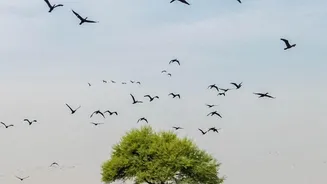
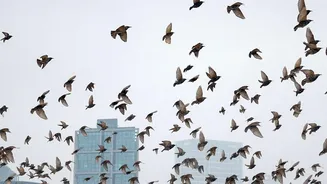
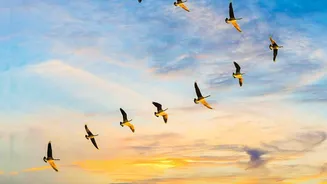
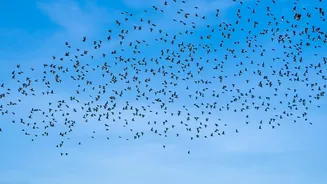
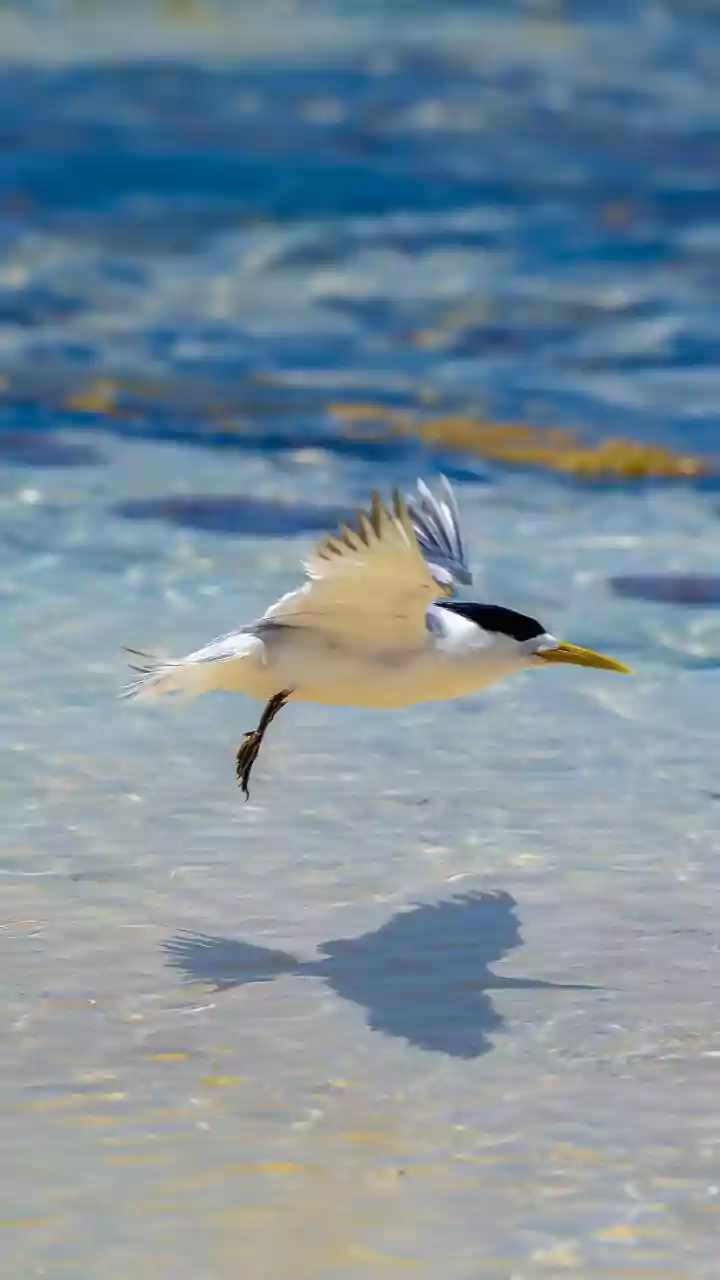
Twice a year, an incredible global migration takes place. Billions of birds travel thousands of kilometres along ancient flight paths, known as flyways, to move between their breeding and wintering grounds. This journey is one of nature's most demanding,
a period of immense vulnerability where birds face their highest mortality rates. To survive, they cannot fly in one single, exhaustive push. Instead, they rely on a network of critical 'pit stops' along the way. These sites are essential for resting, refuelling on food, and finding shelter from predators and harsh weather before continuing their perilous journey. Without this chain of healthy habitats, the entire migratory cycle is at risk of collapse.
Nature's Service Stations
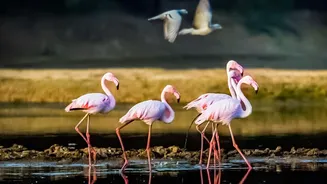
For countless species, particularly waterbirds, wetlands are the service stations of the sky. These areas—which include marshes, lakes, mudflats, and coastal lagoons—offer the perfect combination of resources. Shallow waters and exposed mudflats provide rich foraging grounds for ducks and waders, while deeper marshes offer shelter and food for species like geese and cranes. These stopover sites are not just patches of water; they are complex, life-sustaining ecosystems bursting with the fish, insects, and aquatic plants that birds need to build up fat reserves for the next leg of their flight. The time spent at these sites can range from a few days to several weeks, making their health and availability a matter of life or death.
A System Under Threat
The bad news is that both the birds and their vital stopovers are in trouble. A recent study revealed that more than half of the world's migratory bird species are in decline. In India, the State of India's Birds 2023 report found that around 60% of bird species have experienced long-term decline, with migratory species being hit particularly hard. This alarming trend is directly proportional to the loss of their habitats. The world has lost approximately 35% of its natural wetlands in the last 50 years alone, and India is no exception. Urban expansion, pollution from sewage and agricultural runoff, the spread of invasive species like water hyacinth, and encroachment for construction are degrading these crucial ecosystems. When birds arrive exhausted from their long journey, they increasingly find polluted, shrunken, or completely vanished wetlands, disrupting an ancient survival strategy.
India's Critical Role on the Flyway
India holds a uniquely important position in this global story. The country is centrally located on the Central Asian Flyway (CAF), a major migratory route that connects breeding grounds in the Arctic and Siberia with wintering areas in South and West Asia. For more than 370 species, India's diverse wetlands—from Chilika Lake in Odisha and Keoladeo National Park in Rajasthan to smaller, local water bodies—are indispensable wintering grounds and stopover sites. The health of these Indian habitats has a ripple effect across the entire flyway; a degraded wetland in India can impact a bird that breeds thousands of kilometres away in Kazakhstan or Russia. Recognising this, India has taken a leading role in conservation, launching a National Action Plan for the Conservation of Migratory Birds and spearheading an international framework with other CAF countries to coordinate protection efforts.
The Path to Recovery
The decline of migratory birds is not inevitable. The solution lies in protecting and restoring the network of wetlands they depend on. Conservation efforts range from national policies like the Wetlands (Conservation and Management) Rules, 2017, to inspiring local community action. Across the country, citizen-led groups and 'wetland champions' are working to clean up local water bodies, plant native vegetation, and raise awareness about the importance of these ecosystems. In Kashmir, an all-women birding network has been instrumental in reviving local wetlands, demonstrating that community-led conservation can yield powerful results. These efforts are crucial because saving wetlands does more than just help birds. These ecosystems are vital for humans too, providing fresh water, recharging groundwater, offering flood protection, and supporting local livelihoods.