







A Tale of Two Economies
A landmark report from the Indian School of Business (ISB) and creator platform Hashfame has shifted the narrative around India's digital content landscape. While the country's creator base has exploded, growing more than fourfold from 2020 to 2025 to over
4.1 million people, the financial rewards remain concentrated. The report, titled 'Understanding the Canvas of India's Creator Economy', highlights a crucial challenge: while participation has been democratised, sustainable income has not. This growing gap between the number of creators and the number of creators earning a stable living is forcing the industry to confront difficult questions about its long-term viability. The conversation is no longer just about follower counts; it's about financial security.
The Monetisation Gap
The core issue identified by the report is the vast difference between creating content and earning from it. Although the number of creators from non-metro areas participating in paid brand campaigns has surged, the study reveals a critical bottleneck: most creators still complete only one paid campaign per year. This makes full-time content creation a distant dream for the majority. According to the findings, a nano-influencer (1,000-10,000 followers) who manages two paid campaigns a year earns only about 20% of the average urban salaried wage. Only when a creator reaches the micro-tier (10,000-100,000 followers) and executes at least five campaigns annually do their earnings begin to approach those of a full-time salaried employee. This data paints a clear picture of an economy where many participate but few can truly depend on it for their livelihood.
Growth from the Heartland
One of the most significant trends identified is the decentralisation of the creator economy. An incredible 66% of India's creators now hail from non-metro markets, a dramatic shift from just a few years ago. States like Uttar Pradesh and Maharashtra collectively account for nearly a quarter of all creators, while regional content in languages like Telugu, Tamil, and Kannada is driving much of the ecosystem's growth. Brands are taking notice, with spending on creator-led campaigns rising significantly. However, this geographical boom also underscores the income challenge. Despite the surge in creators from smaller towns and the rise of regional language content, the infrastructure for consistent monetisation has not kept pace, leaving a trail of untapped potential.
The Problem with 'One-Off' Deals
The reliance on sporadic, one-off brand deals is a primary driver of income instability. Experts cited in the report argue that for the creator economy to mature, the industry must move beyond treating influencers as short-term marketing tools. The future, they suggest, lies in building long-term partnerships and recurring brand collaborations that provide creators with a more predictable revenue stream. This approach benefits both sides: creators gain stability, and brands cultivate deeper relationships with creators who have established genuine trust with their communities. This pivot from transactional campaigns to strategic partnerships is seen as essential for the next phase of growth.
Building a Sustainable Future
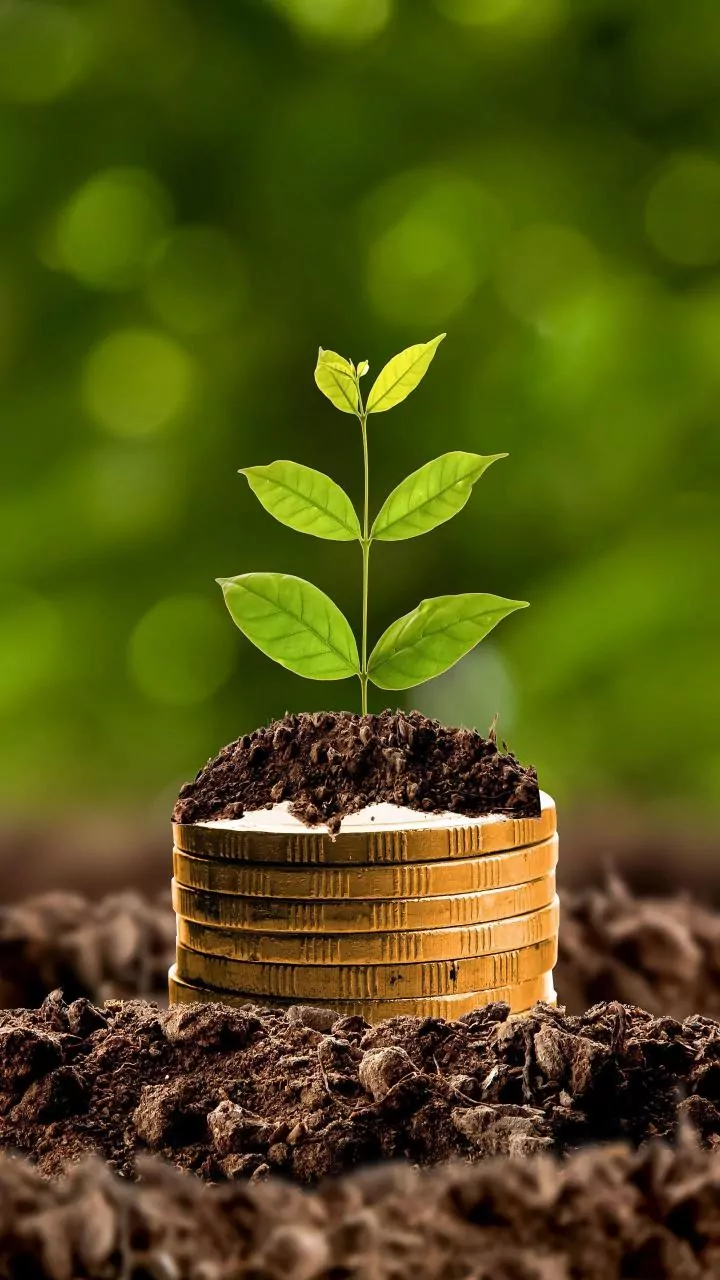
The report concludes that the focus of India's creator economy must shift from simply attracting new creators to helping existing ones build sustainable businesses. This involves not just fostering more brand deals but also encouraging creators to diversify their income through other avenues like direct product sales, affiliate marketing, and performance-based partnerships. Recent data shows a promising 35% increase in creator revenue from direct product sales, indicating a move towards more robust business models. As the industry reaches this critical inflection point, the dialogue sparked by the report is clear: the health and future of India's vibrant creator economy depend on building durable economic opportunities and recognising creators as vital entrepreneurs in the nation's digital journey.