






Understanding the F-1 Risk
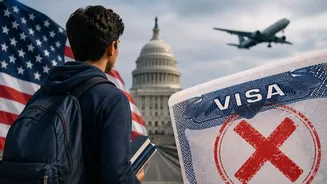
For the thousands of Indian students who head to the United States each year, the F-1 visa is their ticket to a world-class education. However, this visa comes with strict rules. Failing to follow them can lead to falling “out of status.” This is a serious
situation where your legal right to be in the country is jeopardized. The consequences are severe: your SEVIS record can be terminated, your visa cancelled, and you may be required to leave the US immediately. Simple mistakes, like not enrolling in a full course load or working without authorization, are well-known risks. But one of the first and most critical requirements happens the moment you arrive, and overlooking it can undo years of hard work.
Your Most Important Contact: The DSO
Before you even meet your professors, you need to know your Designated School Official, or DSO. Every US school that enrolls international students has DSOs. These are not just any advisors; they are school officials authorized by the US Department of Homeland Security. Their job is to advise you on how to maintain your visa status and to report your information to the government through a system called SEVIS (Student and Exchange Visitor Information System). Your DSO is the only person who can update your SEVIS record, which is the official government file tracking your status as a student. Think of them as your primary guide for all immigration-related matters during your studies.
The Critical First Step: SEVIS Registration
US immigration law requires every new international student to check in with their school upon arrival. This process allows the DSO to verify your documents and formally register you in the SEVIS database, changing your status from “Initial” to “Active.” This registration is mandatory. According to regulations, your DSO must register you in SEVIS no later than 30 days after the program start date listed on your I-20 form. If your DSO fails to do this because you never showed up to check in, your SEVIS record could be automatically terminated for being a “no show.” This single oversight could invalidate your legal status before you even attend your first class.
Why 'Early' Reporting Is a Smart Strategy
The 30-day deadline is a safety net, not a target. The smartest strategy is to report to your DSO as soon as you arrive on campus. Waiting until the last minute is a high-risk gamble. What if you discover a document is missing? What if the International Student Office is swamped with last-minute check-ins? What if you have trouble accessing your I-94 arrival record online, which is a required part of the process? Reporting early—within a day or two of your arrival—mitigates all these risks. It gives you and your DSO plenty of time to resolve any unexpected issues without the pressure of a looming deadline. It demonstrates that you are a proactive and responsible student, starting your academic journey in the US on the right foot. You are allowed to enter the US up to 30 days before your program start date; use this time wisely.
Your Arrival Checklist
Navigating your arrival and reporting can be stress-free if you are prepared. Here is a simple plan to follow: 1. Locate Your DSO: Before you travel, find the contact information and location of your university’s International Student Office and your DSO on the school's website. Have this information in your carry-on luggage. 2. Check the Procedure: Many universities now have online check-in systems. See if you can start the process online, but be prepared for an in-person follow-up. 3. Gather Your Documents: When you go to report, have your passport with your F-1 visa, your signed Form I-20, and your I-94 arrival record (which you can access online after you enter the US). 4. Report Immediately: Don't go sightseeing or wait to settle in. Make checking in with your DSO your absolute first priority after arriving on campus. This simple action secures your status and lets you focus on what you came for: your education.