





The Protein Boom You Can't Ignore
It’s undeniable that protein is having a moment. Once the domain of bodybuilders and elite athletes, it has firmly entered the mainstream for everyday adults. The numbers reflect this shift, with the Indian protein market valued at around $1.6 billion
in 2026 and projected to grow significantly. This isn't just about whey powder anymore. The market is flooded with high-protein snacks, ready-to-drink shakes, Greek yoghurts, and fortified versions of traditional foods like makhana and peanut butter. Purchases of protein products on quick-commerce platforms have surged by 150% in the last two years, showing that consumers are actively seeking these items for their daily needs.
Why Is Everyone Talking About Protein Now?
Several factors are driving this trend. There's a growing awareness of health and nutrition, with consumers making more intentional choices about what they eat. This is coupled with a long-standing issue in Indian diets: while average protein intake might seem adequate on paper (around 62-63 grams per day), a large portion—nearly 50%—comes from cereals like rice and wheat, which are not the highest quality sources. Studies have pointed to widespread protein deficiency, with one survey noting that 73% of urban Indians are deficient and 93% are unaware of their daily protein requirements. This gap between need and awareness has created a perfect opportunity for brands to step in and offer convenient solutions.
From Muscle Fuel to Everyday Wellness
The marketing around protein has successfully shifted its image. It's no longer just about building muscle. Today, protein is promoted for a range of wellness benefits that appeal to a broader adult audience. These include better satiety (feeling full for longer), which can help with weight management, stable energy levels, and preventing age-related muscle loss. Signs of inadequate protein intake, such as fatigue, weakness, and brittle hair or nails, are also becoming more widely understood, prompting people to look more closely at their diets. This reframing has made protein relevant to office workers, busy parents, and older adults, not just gym-goers.
How Much Protein Do You Actually Need?
With all the hype, it's easy to think you need to load up, but expert recommendations are more moderate. The Indian Council of Medical Research (ICMR) suggests a daily intake of 0.83 grams of protein per kilogram of body weight for a sedentary adult. For a 65 kg adult, that's about 54 grams per day. This number can increase for those who are highly active, pregnant, or elderly. While many Indians may be hitting this basic number, the quality and variety of protein sources matter. Combining plant-based proteins, like the classic dal and rice, can provide a complete amino acid profile, and incorporating sources like paneer, curd, eggs, and legumes is crucial.
Whole Foods vs. Packaged Protein
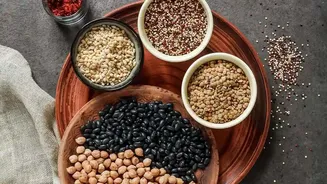
This brings us to the central choice for consumers: should you get your protein from whole foods or rely on supplements and fortified snacks? Nutrition experts generally advise a 'food first' approach. Whole foods like lentils, beans, eggs, and dairy provide not just protein but also essential fibre, vitamins, and minerals that you won't find in an isolated protein powder. However, packaged options offer undeniable convenience. A protein bar or shake can be a practical solution for a post-workout boost or a busy day. The key is not to let them replace whole foods entirely. When choosing a packaged product, it's important to read the label for hidden sugars and artificial additives.