







What a New Study Reveals
A rapid attribution study from World Weather Attribution, released in mid-September 2026, has provided the clearest evidence yet linking global warming to the growing instability of Nepal’s mountain environments. The analysis focused on a catastrophic
rock and ice avalanche in August 2026, which killed over 1,300 people. While not blaming climate change as the sole cause, researchers stated its “fingerprints are still clear to see.” The study explains that decades of human-caused warming created the underlying conditions that made such a disaster more likely by weakening the very structure of the mountains.
The Unseen Threat: Thawing Permafrost
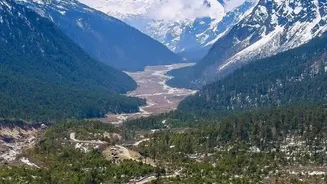
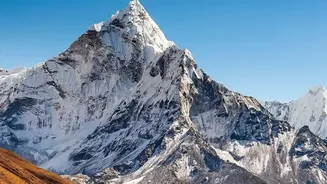
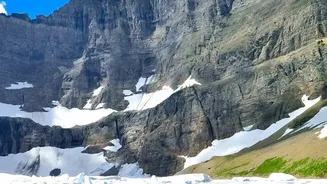
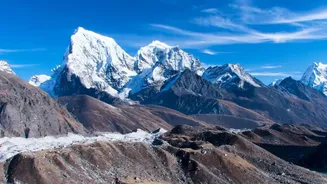
One of the most critical factors identified is the thawing of permafrost—ground that has remained frozen for years, acting like a natural cement that holds rock and soil together on steep slopes. As temperatures rise in the Himalayas, almost twice as fast as the global average, this crucial adhesive is melting. The study found that the freezing line has been creeping up the mountains by about 100 metres per decade, exposing more ground to above-freezing temperatures. This process weakens the rock, making catastrophic landslides and rockfalls far more probable. Experts describe it as a shift from solid, glued-together bedrock to shattered, unstable slopes.
Melting Glaciers and Volatile Lakes
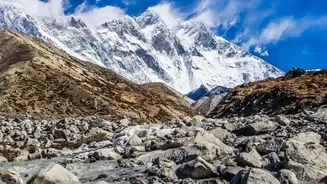
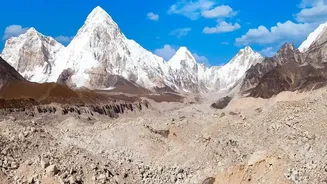
Alongside thawing permafrost, the rapid melting of glaciers presents another major threat. Glaciers in the region have been thinning and retreating for decades, losing mass and exposing once-covered rock faces. This meltwater doesn't just disappear; it often pools to form vast glacial lakes, frequently held back by unstable dams of loose rock and debris known as moraines. These lakes pose a severe risk of Glacial Lake Outburst Floods (GLOFs), where a dam failure can release enormous volumes of water in a destructive downstream torrent. The combination of melting glaciers and unstable slopes from thawing permafrost creates a perfect storm for triggering these devastating events.
The Human Cost of Instability
The consequences of this destabilisation are not just geological curiosities; they represent an existential threat to communities. The August 2026 disaster saw a slurry of rock, ice, and water sweep through river valleys, wiping out homes, roads, and vital infrastructure like hydropower plants. Nepal’s reliance on hydropower makes its energy sector particularly vulnerable, with billions of rupees in damages reported from climate-related floods and landslides in recent years. For the millions of people living in these narrow valleys, and even for populations downstream in India who rely on Himalayan rivers for water, the increasing unpredictability poses a grave risk to lives, livelihoods, and regional water security.
A Call for Urgent Action
The study’s authors stress that some level of mountain destabilisation is already locked in due to past emissions. However, they urge that the most critical step to prevent the situation from worsening is a rapid global reduction in the use of fossil fuels. Locally, the report calls for improved high-altitude monitoring and early warning systems to provide some protection against future disasters. Yet, they also caution that there are limits to adaptation, especially when facing events of such unprecedented scale. This makes regional and international cooperation not just a recommendation, but a necessity for building resilience and protecting the vulnerable populations living in the shadow of the world's highest peaks.