






More Than Just a Garnish
For many, the curry leaf, or kadi patta, is an essential but fleeting part of the cooking process. It’s often the first thing in the pan, releasing its unique, slightly pungent aroma to form the base layer of countless dishes. But in South Indian cuisine,
particularly, it’s celebrated not just as an aromatic but as a core ingredient. These glossy, green leaves are packed with a flavour that is complex and hard to pin down—a little smoky, a bit citrusy, and deeply savoury. When used generously, they don’t just flavour a dish; they define it. The tradition of using curry leaves goes beyond their scent; it’s about infusing food with their very essence, a practice that elevates simple staples into memorable meals.
What Makes a Meal ‘Complete’?
The headline's claim is bold, so let's unpack it. Nutritionally, a 'complete meal' provides a balance of macronutrients—protein, fats, and carbohydrates—along with essential vitamins and minerals. While rice covers carbohydrates, curry leaves alone won't add significant protein or fat. However, they are a powerhouse of micronutrients, including vitamins A, B, and C, plus minerals like iron and calcium. So, while not 'complete' in a strict dietary sense, adding a substantial amount of curry leaves makes a bowl of rice far more wholesome and nutritionally dense. More importantly, it completes the meal from a sensory perspective, delivering a satisfying depth of flavour and aroma that makes a simple carb feel substantial and fulfilling.
The Magic of Curry Leaf Rice
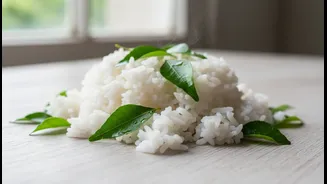
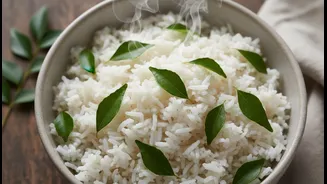
The ultimate expression of this concept is Karuveppilai Sadam, or curry leaf rice. This beloved South Indian dish doesn't use the leaves as a mere afterthought. Instead, they are the main event. A large quantity of fresh curry leaves are roasted and ground with a mixture of lentils (like chana dal and urad dal) and spices such as coriander seeds, red chillies, and black pepper. This fragrant, dark green powder, known as 'podi', is then mixed into freshly cooked rice, coating every grain. The result is a dish that is wonderfully aromatic, surprisingly complex, and incredibly delicious. It's a testament to how a single, powerful ingredient can completely transform a blank canvas like rice.
How to Craft Your Own
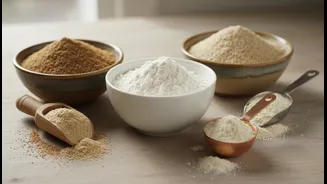
Making your own curry leaf rice is simpler than it sounds. The key is creating the spice powder. Start by dry-roasting a cup of fresh curry leaves in a pan on low heat until they become crisp and fragrant. In the same pan, roast a tablespoon each of chana dal and urad dal, a few dried red chillies, and a teaspoon of black peppercorns until the lentils are golden. Let everything cool completely, then grind it all into a coarse powder. To assemble the dish, cook your rice and let it cool slightly to prevent it from getting mushy. In a pan, heat some gingelly (sesame) oil, pop some mustard seeds, and add a few cashews or peanuts for crunch. Stir in your prepared curry leaf powder, then add the cooked rice and mix until every grain is well-coated. Season with salt, and your aromatic rice is ready.
Building a Truly Balanced Meal
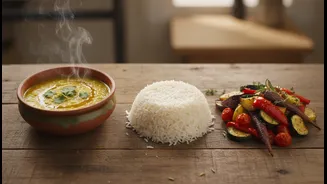
Now, how do we take this incredibly flavourful rice and build it into a nutritionally complete meal? It’s easy. The curry leaf rice serves as a fantastic, nutrient-rich carbohydrate base. To make it a well-rounded plate, simply pair it with a protein and some healthy fats. A simple bowl of yogurt or raita on the side adds protein and probiotics, balancing the spice. A handful of roasted peanuts or cashews mixed into the rice provides healthy fats and a satisfying crunch. For a more substantial meal, serve it alongside a simple vegetable stir-fry (poriyal), a boiled egg, or a light lentil stew. The curry leaf rice acts as the flavourful anchor, making the entire meal feel cohesive and satisfying.