





Why Walk the Other Way?
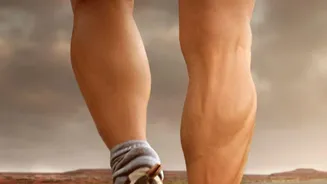
While it has recently gained popularity on social media, backward walking has been used in physical therapy for decades to help with rehabilitation and conditioning. Unlike forward walking, which is a heel-to-toe motion our bodies perform almost automatically,
walking backward forces a toe-to-heel movement. This simple change in direction alters your gait mechanics, engaging different muscles and challenging your brain in new ways. It requires more focus and conscious effort, transforming a mundane activity into a mindful exercise. This shift from automatic to intentional movement is where many of the key benefits originate, forcing you to be more aware of your body in space and how it moves.
Major Health Benefits
One of the most celebrated benefits of retro walking is its effect on the knees. The movement places less compressive stress on the knee joint compared to forward walking, which can provide relief for individuals with certain conditions like knee osteoarthritis. It also helps strengthen the quadriceps, the large muscles at the front of your thigh that are crucial for knee support and stability. Beyond the knees, this exercise engages muscles that are often underused during forward motion, including the glutes, hamstrings, and lower back muscles. This can contribute to better overall leg strength, improved posture, and enhanced flexibility in the hips. Studies have also shown it can improve balance, gait, and walking speed, which is particularly beneficial for older adults or those recovering from a stroke.
A Boost for Your Brain and Heart
The benefits aren't just physical. Because walking backward is an unfamiliar activity, it demands more attention from your brain. This can sharpen cognitive functions like spatial awareness and coordination. The increased mental engagement can also help make your workouts feel less monotonous. From a cardiovascular standpoint, your body works harder when moving in reverse. Research suggests that walking backward can burn significantly more calories than walking forward at the same speed, making it a more efficient form of cardio exercise. Some studies have found that a consistent retro-walking program can lead to reductions in body fat and improvements in cardiorespiratory fitness.
How to Get Started Safely
Safety is the most important aspect of trying backward walking. Start in a clear, open area free of obstacles, like an empty hallway or an athletic track. A treadmill is an excellent and safe option for beginners, as you can hold onto the handrails for support and control the speed. Always start at a very slow pace to get accustomed to the motion. Focus on your form: stand up straight and look ahead, resisting the urge to hunch over. Your steps should be a deliberate toe-to-heel roll. A good way to incorporate it is to alternate between one minute of forward walking and one minute of backward walking, repeating for 10-15 minutes. As you gain confidence, you can gradually increase your speed or duration.
Is It Right for You?
Backward walking can be particularly useful for athletes looking for a new cross-training challenge, older adults wanting to improve their balance, and individuals with specific types of knee or back pain. However, it is not a cure-all and may not be suitable for everyone. People with inner ear problems, severe balance disorders, or certain neurological conditions should avoid it unless cleared by a specialist. While it can help with some knee issues by strengthening supporting muscles, it doesn't address the root cause of all knee pain and isn't a replacement for targeted physical therapy. The risk of falling is real, especially for those who are deconditioned or have stability concerns.