




The Unique Allure of Winter Flying
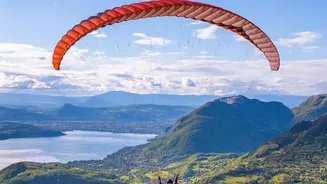
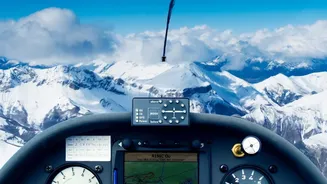
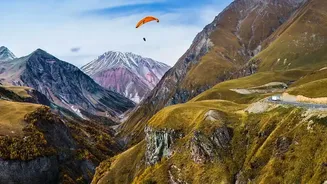
While summer offers booming thermals, winter flying in the Alps has its own distinct appeal. The air is often calmer, smoother, and crystal-clear, providing breathtaking, serene flights over majestic, snow-draped peaks. The gentle conditions, especially
from January to mid-February, can be ideal for pilots new to mountain flying. Many popular ski resorts, including those in Chamonix, Courchevel, and Les Arcs, offer cable car access to high-altitude launch sites, making it convenient to get airborne. The experience is different: flights may be shorter due to weaker thermals, but the sheer beauty and tranquillity of a world blanketed in white are unforgettable.
Understanding the Added Risks
The beauty of winter comes with significant risks that cannot be ignored. The primary dangers are cold-related: hypothermia and frostbite are serious threats when flying in sub-zero temperatures. The wind chill at altitude dramatically lowers the perceived temperature. Mountain weather is notoriously unpredictable and can change rapidly, with sudden snowstorms or fog reducing visibility to zero. Snow-covered ground presents its own challenges. It can make launch takeoffs slippery and conceals potential hazards in landing zones. Furthermore, snow and ice can accumulate on your equipment, potentially affecting your wing's performance or causing buckles and carabiners to freeze and fail.
Essential Winter Gear and Clothing
Standard paragliding equipment is not enough for winter conditions. Your primary defence against the cold is layered, windproof, and insulated clothing. Think in terms of a base layer, an insulating mid-layer, and a waterproof/windproof outer shell, much like ski apparel. Your extremities are most vulnerable. Insulated, windproof gloves are critical, but they must allow enough dexterity to handle the controls. Many pilots use heated gloves or over-mitts to maintain feeling in their fingers. A balaclava or neck gaiter protects your face, and a helmet is non-negotiable. For your feet, waterproof boots and thick thermal socks are a must. Some pilots also opt for a pod harness, which encloses the legs and provides significant extra protection from the cold.
Pre-Flight Preparation and Safety Checks
A meticulous pre-flight check is even more crucial in winter. Before heading out, check the weather forecast obsessively, paying close attention to wind, temperature at altitude, and potential for precipitation or fog. When preparing your gear, carefully inspect your lines to ensure they aren't frozen or caught in the snow. Check that all buckles and carabiners are free of snow and ice, as this can prevent them from locking correctly. It's also wise to clear any snow from inside your wing's cells before takeoff, as the added weight can affect its flight characteristics. Because conditions can change, always have a clear landing plan and identify alternative options before you even launch.
Top Winter Flying Locations
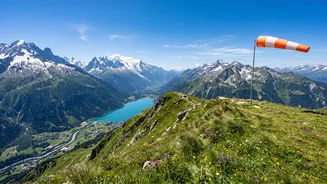
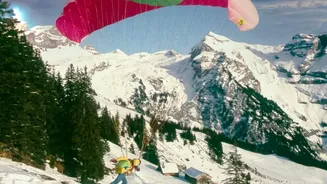
The French Alps are dotted with resorts that welcome winter paragliders. The Chamonix valley is a world-renowned hub, with high-altitude, lift-accessed launches at sites like Les Houches and Le Brévent offering spectacular views of Mont Blanc. The Three Valleys area, including Courchevel and Méribel, is famous for 'ski-paragliding', where you take off on skis. Other excellent spots include Saint-Hilaire-du-Touvet, known as the spiritual home of free flight, and Le Grand-Bornand in the Aravis range. Many of these locations have groomed launch areas for easier foot takeoffs, but pilots should be prepared for launching in deep snow, which can be tricky. For those not ready to go it alone, tandem flights with experienced local instructors are widely available.