





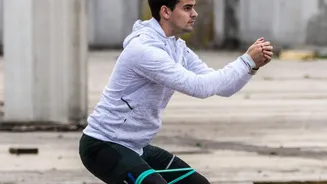
What Is a Beam Squat?
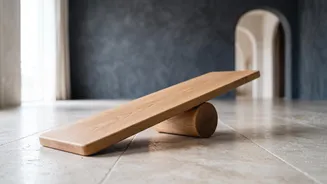
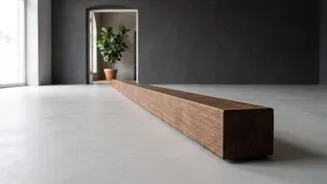
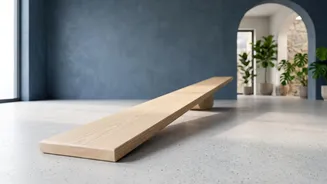
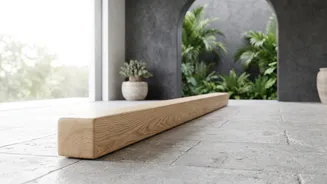
At its core, the beam squat is a variation of a standard squat performed on a narrow, unstable surface like a gymnastics beam, a low-profile training beam, or even a line drawn on the floor. The primary difference is the base of support. While a traditional
squat uses a wide, stable stance, the beam squat forces your feet into a much narrower alignment, instantly challenging your body's ability to stay upright. This simple change transforms the exercise from a pure strength movement into a complex test of balance, coordination, and muscular control. It engages not only the large muscles of the legs but also the smaller, stabilizing muscles that are often neglected in standard workouts.
The Dual Benefits: Strength and Stability
The magic of the beam squat lies in its two-for-one benefit. On the strength side, it targets all the classic squat muscles: the quadriceps, glutes, and hamstrings. As you lower and raise your body, these powerhouse muscles do the heavy lifting. However, the instability of the beam introduces a significant stability challenge. To keep from wobbling or falling, your body must activate a network of stabilizing muscles. Your core—including your abs and lower back—works overtime to keep your torso rigid and upright. Meanwhile, the muscles in your hips, ankles, and feet constantly make micro-adjustments to maintain your center of gravity. This constant feedback loop builds exceptional proprioception, or your body's awareness of its position in space.
How to Perform a Beam Squat Correctly
Proper form is crucial to get the benefits and avoid injury. Start without any extra weight until you have mastered the movement. 1. Find Your Surface: Begin with the simplest option: a straight line on the floor. Progress to a low, wide foam beam before attempting a higher or narrower one. 2. Stance: Place your feet one in front of the other along the line or beam, with your feet close together. Distribute your weight evenly. 3. Posture: Stand tall with your chest up, shoulders back, and your core engaged. Look straight ahead at a fixed point to help maintain balance. 4. The Descent: Initiate the squat by bending at your hips and knees simultaneously, as if sitting back into a chair. Lower yourself slowly and with control, keeping your back straight and your torso as upright as possible. Go only as deep as you can while maintaining good form and balance. 5. The Ascent: Push through your entire foot to return to the starting position. Maintain control throughout the upward movement. Avoid rising too quickly.
Common Mistakes to Avoid
As with any exercise, a few common errors can undermine your efforts. Be mindful of looking down at your feet, which can throw off your balance. Instead, keep your gaze fixed forward. Avoid rounding your back or letting your chest collapse forward; this puts unnecessary strain on your spine. If you find your knees caving inward, it may be a sign of weak glute muscles; focus on actively pushing your knees out slightly. Finally, resist the urge to rush. The beam squat is about control, not speed. A slow, deliberate tempo will maximize muscle engagement and stability gains.
Progressions for All Fitness Levels
The beam squat is highly adaptable. If you're a beginner, simply standing on one leg on the beam or practicing the squat on a line on the floor is a great start. You can also perform the exercise next to a wall for support. As you get more comfortable, you can increase the challenge. Try holding the squat at the bottom position for a few seconds to increase time under tension. For an advanced variation, you can hold a light dumbbell or kettlebell in a 'goblet' position at your chest to add resistance. However, only add weight once your bodyweight form is impeccable. The focus should always remain on the quality of movement and stability.