



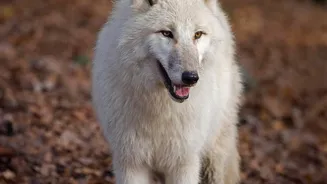
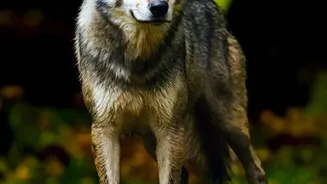
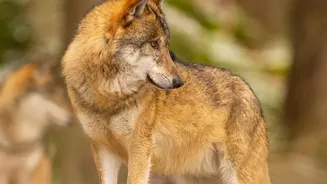
A New Ethos in Wildlife Watching
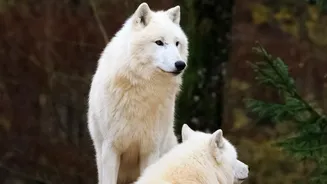
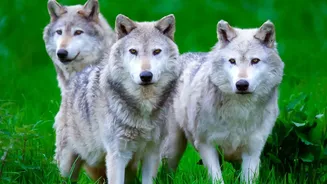
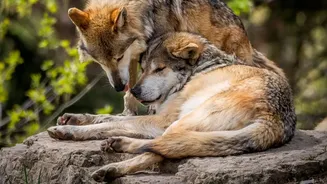
Thanks to decades of conservation efforts, wolf populations are making a remarkable comeback across the continent, with numbers growing significantly. This resurgence has fuelled a desire for authentic wildlife encounters. However, instead of pursuing
sightings at any cost, a growing number of tour operators are adopting a philosophy of respect. This approach is less about guaranteeing a sighting and more about appreciating the entire ecosystem. The experience is about tracking, learning about wolf behaviour from expert guides, and understanding the delicate balance of their habitat. The goal is to observe these magnificent predators without disturbing them, ensuring that tourism supports, rather than hinders, their long-term survival.
The Importance of Keeping a Distance
A key principle of these ethical tours is maintaining a significant distance from the animals. Operators use high-quality binoculars and spotting scopes, allowing visitors to observe wolves from hundreds of metres away without causing stress or altering their natural behaviour. Getting too close can habituate wolves to humans, which can lead to conflict and ultimately endanger the animals. Park rangers and wildlife experts advise staying at least 100 yards (about 90 metres) from wolves. Responsible guides understand that a fleeting glimpse from afar is a more authentic and ethical prize than a close encounter that compromises the wolf's wildness. The focus is on being a passive observer in their world.
Why Small Groups Matter
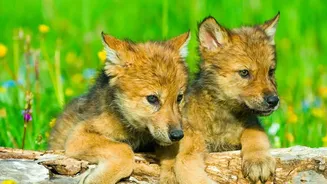
These tours are almost exclusively run with very small groups, often limited to eight people or fewer. This has a dual benefit. Firstly, it dramatically reduces the human impact on the environment and the animals. A small, quiet group is less likely to disturb a sensitive pack, especially during pup-rearing season. Secondly, it provides a much more profound and personal experience for the tourist. In a small group, you have better access to the guide's expertise, a clearer view through the scope, and a more immersive connection with the wild landscape. It transforms the trip from a simple tour into a quiet, patient vigil.
The Case Against Baiting
Perhaps the most crucial ethical stance is the strict prohibition of baiting—the practice of leaving out food to attract animals for easier viewing. While this might guarantee a sighting, it has dangerous consequences. Baiting can alter wolves' natural hunting patterns, create a dependency on human-provided food, and increase the risk of conflict by drawing predators closer to human areas or creating territorial disputes. Studies have shown that baiting can fundamentally change animal behaviour and lead to negative outcomes. Ethical operators in places like Italy's Apennine Mountains and Spain's Sierra de la Culebra explicitly state they never use bait or calls, prioritising respectful observation above all else.
Europe's Wolf Watching Hotspots
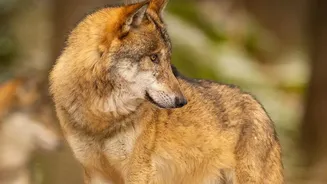
This responsible approach to wolf tourism is taking root in the very places where wolf populations are thriving. In Spain, the Sierra de la Culebra is renowned for having one of the highest densities of Iberian wolves in Europe. In Italy, the Abruzzo, Lazio and Molise National Park in the Apennine Mountains offers incredible opportunities to track the Apennine wolf. Other locations like the Carpathian Mountains in Poland and Romania are also home to healthy wolf populations and developing ethical tourism. These tours often include visits to wolf information centres and talks with conservationists, adding a layer of education to the adventure.
What the Experience Is Really Like
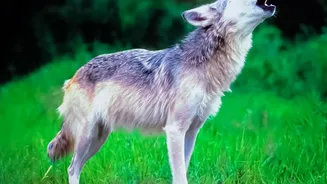
It is important for prospective travellers to have realistic expectations. These are not zoo-like encounters; they are expeditions into the wild. Sightings are never guaranteed and often consist of a distant view of a wolf moving along a ridge line for just a few moments. The true experience is about the pursuit and the immersion in nature. Days are spent learning to identify tracks, understanding the signs wolves leave behind, and observing the rich biodiversity of their habitat, including other wildlife like red deer, wild boar, and golden eagles. The howl of a distant pack at dusk can be as powerful and memorable as a direct sighting.