

The Verdict on 'Overrated'
Is Egypt overrated? The internet is full of conflicting reports. One person will describe the most magical trip of their life, while another recounts a stressful ordeal. The difference often comes down to one thing: preparation. The challenges are real.
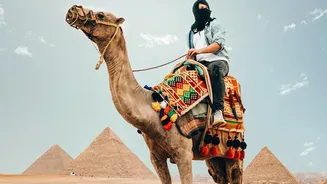
The crowds at iconic sites can be immense, the summer heat is intense, and dealing with persistent vendors can be exhausting for those unprepared. These are the friction points that lead to negative reviews. However, seeing these issues as logistical hurdles to be managed, rather than signs of a flawed destination, is the first step toward an incredible journey. Acknowledging that Egypt demands more planning than a casual European city break is key to unlocking its profound rewards.
The Undeniable Importance of Timing
Your experience in Egypt will be dramatically different depending on when you go. Visiting between May and September means facing scorching summer temperatures, which can make exploring desert tombs and sprawling temple complexes a draining affair. Conversely, the period from October to April offers pleasantly warm days and cool nights, making it the ideal window for comfortable sightseeing. This is, however, the peak tourist season, meaning higher prices and more people, especially around Christmas and Easter. For a sweet spot, consider the shoulder months like October, November, March, and April, which often provide a good balance of comfortable weather and slightly smaller crowds. Timing your visit to avoid the peak heat is perhaps the single most effective decision you can make.
Embrace the Icons, But Wisely
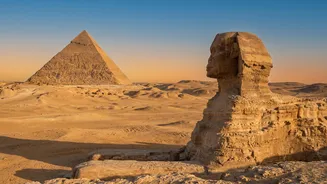
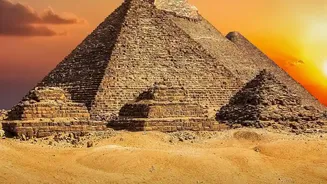
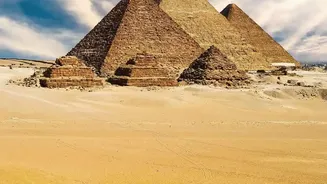
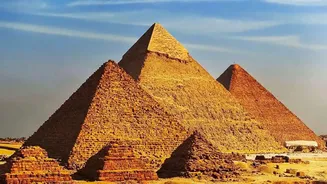
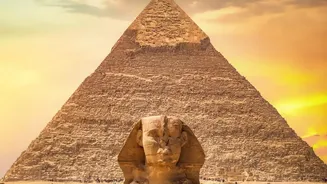
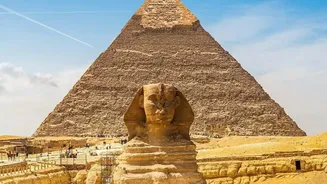
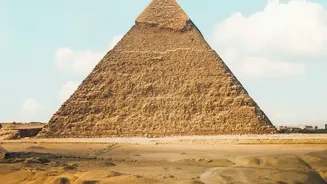
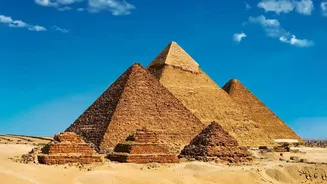
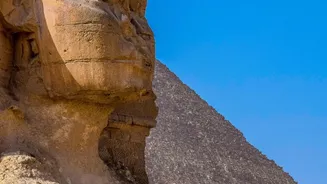
Let's be clear: you cannot go to Egypt and skip the Pyramids of Giza, the Sphinx, or the temples of Luxor. These sites are world-famous for a reason. The key is to visit them smartly. To avoid the biggest crowds at Giza, arrive right when the site opens around 8 a.m., before the large tour buses descend. Hiring a licensed Egyptologist guide can transform your visit from a simple photo opportunity into a deep historical immersion, while also providing a valuable buffer from touts. At sprawling sites like the Valley of the Kings, consider paying the extra fee for access to premium tombs like those of Seti I or Nefertari, which are often less crowded and feature some of the most stunning artwork.
Balance the Famous with the Forgotten
The true secret to a rewarding Egyptian holiday is balance. For every world-famous, crowded site, there is a quieter, equally fascinating alternative nearby. Instead of spending all your pyramid time at Giza, take a day trip south to Dahshur to see the uniquely shaped Bent Pyramid and the impressive Red Pyramid, where you can often explore in relative peace. After weathering the crowds at Luxor's Karnak Temple, a day trip to the temple complexes of Dendera and Abydos offers a more tranquil and deeply spiritual experience. The reliefs at Abydos are considered some of the finest in all of Egypt. These detours don't just help you escape the crowds; they provide a much deeper and more complete story of ancient Egypt's evolution.
Beyond the Temples and Tombs
Egypt is more than its pharaonic past. To truly appreciate the country, weave in experiences that showcase its other sides. In Aswan, the pace of life slows. Spend an afternoon sailing down the Nile on a traditional felucca, watching the sunset over the riverbanks and visiting the colourful Nubian villages with their famously warm hospitality. For those seeking true escape, the remote Siwa Oasis in the Western Desert offers a sanctuary of palm groves and salt lakes that feels a world away from the bustle of Cairo. Even in the capital, you can find respite by exploring the historic lanes of Coptic Cairo or enjoying the river breeze from a rooftop restaurant. These moments provide a necessary counterpoint to the intensity of the major tourist hubs.