








The Ghost of the Mountains
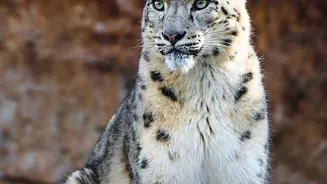
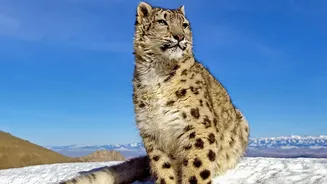
The snow leopard, known as 'Shan' in Ladakhi, is one of the most enigmatic big cats on the planet. Its smoky-grey coat, patterned with dark rosettes, provides perfect camouflage against the rocky, snow-dusted slopes of the Himalayas. This, combined with their
solitary nature and vast, rugged habitat, has earned them the nickname 'Ghost of the Mountains'. For decades, seeing one in the wild was a privilege reserved for a handful of dedicated researchers and fortunate locals. Today, however, Ladakh has become the world's premier destination for snow leopard sightings, thanks to a unique and powerful collaboration between conservation efforts and the local community.
From Retaliation to Guardianship
The relationship between Ladakh's communities and the snow leopard wasn't always positive. For pastoral families, a snow leopard attack on livestock could be devastating, leading to significant economic loss. These incidents sometimes resulted in retaliatory killings of the endangered predator. However, a transformative shift began in the early 2000s, pioneered by organizations like the Snow Leopard Conservancy India Trust (SLC-IT). They recognized that conservation could only succeed if it provided tangible benefits to the people who share the land with the wildlife. By helping communities predator-proof their livestock corrals and establishing village-managed insurance programs to compensate for losses, the immediate conflict began to subside. This laid the groundwork for a new, more sustainable relationship.
The Eyes and Ears of the Expedition
This is where local guides became the cornerstone of a new ecotourism model. The same skills that made them successful herders and hunters were repurposed for conservation. Local men, with an unmatched, intimate knowledge of the terrain, became trackers and spotters. They can read the landscape in ways outsiders cannot—interpreting a subtle scrape on a rock, identifying the age of a pugmark in the snow, and understanding the movement patterns of the leopard's prey, like the bharal (blue sheep). They spend hours, and sometimes days, scanning the mountainsides with spotting scopes, their patience and trained eyes essential for locating the camouflaged cat. These guides are not just employees; they are the expedition's experts, often working in teams and communicating via radio to coordinate search efforts across vast valleys.
A Community-Powered Ecosystem
The involvement of local communities extends far beyond tracking. The entire snow leopard safari ecosystem is deeply integrated into village life, creating a powerful economic incentive for conservation. The award-winning Himalayan Homestay program, for example, allows travelers to stay with local families, providing them with direct income and offering visitors an authentic cultural experience. Women often run these homestays, empowering them within their communities and diversifying household income. The money generated from guiding fees, homestays, and transport services demonstrates a simple but powerful equation: a living snow leopard is worth more than a dead one. This income helps reduce rural-to-urban migration, keeping traditional knowledge alive and ensuring the community has a direct stake in protecting its natural heritage.
Training for a Sustainable Future
The success of this model has led to more structured support. The UT Ladakh administration recently launched an official high-altitude wildlife safari, aiming to regulate tourism and prevent issues like illegal off-roading. This initiative focuses on using trained local drivers and guides, further formalizing their role. Organizations continue to run nature guide training programs, equipping young Ladakhis with skills in wildlife identification, ecology, and responsible tourism practices. This ensures a new generation is prepared to lead these expeditions. These programs don't just teach tracking; they cover everything from local flora and fauna to environmental education, instilling a deep sense of pride and stewardship.