



The Science of the Lean
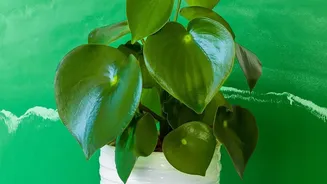
Have you ever noticed your plant leaning desperately towards the window? This is a natural survival instinct called phototropism. Plants create their food through photosynthesis, a process powered by light. To maximize their access to this vital energy
source, they use a growth hormone called auxin. This hormone concentrates on the shaded side of the stem, causing those cells to grow longer and faster, effectively bending the plant toward its light source. While this is a clever survival tactic, it can lead to lopsided, uneven growth. Regular rotation helps distribute light evenly, encouraging a stronger, more symmetrical, and upright plant.
South-Facing: The Sun Worshipper's Window
A south-facing window is the powerhouse of the home, receiving the most intense and direct sunlight throughout the day, especially in the Northern Hemisphere. Plants in a southern window, like succulents and cacti, are getting a strong, consistent signal to grow towards. Because the light is so direct and persistent, you may find your plants leaning quite dramatically. You will likely need to rotate these plants more frequently—perhaps a quarter turn every week or two—to prevent a permanent tilt and ensure all sides get their share of the intense light. Be mindful that this intense exposure can also scorch the leaves of less sun-loving plants.
East-Facing: The Gentle Morning Call
East-facing windows receive bright but gentle direct sunlight in the morning, which becomes indirect for the rest of the day. This is often considered an ideal exposure for many popular houseplants like ferns, orchids, and Monsteras that prefer bright, indirect light. The morning sun is less intense than the afternoon sun, so the 'pull' on the plant is less severe. For plants here, you can likely adopt a more relaxed rotation schedule. A quarter turn every two to three weeks, or every time you water, is often sufficient to maintain even growth without the urgency required by a southern exposure.
West-Facing: Intense Afternoon Sun
A west-facing window is the opposite of an east-facing one, getting soft light in the morning and then several hours of strong, direct sun in the afternoon and evening. This afternoon sun can be surprisingly hot and intense, similar in strength to a southern exposure but for a shorter duration. Plants in a west-facing window will have a strong pull towards the light during the latter half of the day. You will want to monitor them for leaning and aim for a rotation schedule that is more frequent than an eastern window but perhaps slightly less than a southern one. A quarter turn every couple of weeks is a good rule of thumb.
North-Facing: The Low-Light Challenge
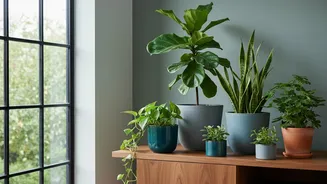
North-facing windows receive the least amount of direct light; it's almost entirely indirect and consistent throughout the day. This makes them suitable for low-light tolerant plants like ZZ plants and snake plants. Because the light is so diffuse and lacks a strong, single direction, you will notice much less leaning. In fact, plants in a north-facing window may hardly need turning at all for the purpose of balance. However, a slow, occasional turn can still be beneficial to ensure different parts of the plant are presented to what little light is available, promoting overall health. For these plants, any lean at all is a strong sign they are desperate for more light.
Beyond the Lean
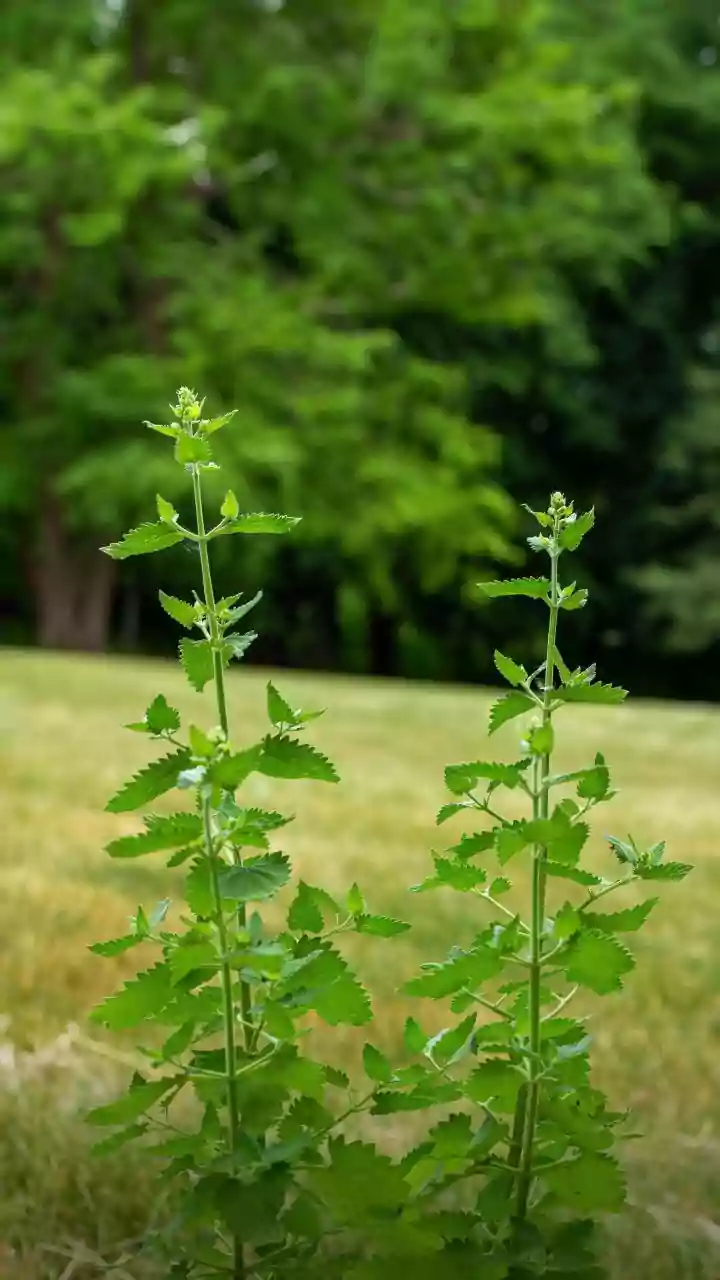
Leaning is the most obvious sign a plant needs turning, but there are other, more subtle clues it needs more light overall. Look for 'leggy' growth, where stems become long and stretched with large gaps between leaves. New leaves might be smaller or paler than older ones, and for variegated plants, you might see the colourful patterns reverting to solid green as the plant tries to maximize its chlorophyll to capture more light energy. If you see these signs, rotation alone won't fix it; it may be time to move your plant to a window with brighter exposure.