






The Two Faces of Cinnamon
Not all cinnamon is created equal. The spice aisle presents a hidden choice between two distinct categories. The first is Ceylon cinnamon, often called “true cinnamon.” Its scientific name is Cinnamomum verum, which literally translates to “true cinnamon.” The second,
and far more common variety, is cassia cinnamon. Most of the affordable cinnamon found in grocery stores across India and the world is a type of cassia. Cassia isn't fake, but it comes from different trees and has a significantly different profile in terms of flavour and chemical composition. There are several species of cassia, including Chinese (Cinnamomum cassia), Saigon (Cinnamomum loureiroi), and Indonesian (Cinnamomum burmannii). Unless a label specifies otherwise, you are most likely buying some form of cassia.
Why Species Matters: Flavour and Health
The difference between Ceylon and cassia goes beyond botany; it impacts your palate and potentially your health. Ceylon cinnamon has a delicate, sweet flavour with complex, citrusy notes, making it a favourite among chefs for nuanced dishes. Cassia, on the other hand, is pungent, spicy, and much more aggressive in flavour. The most critical difference, however, lies in a compound called coumarin. Cassia cinnamon contains high levels of coumarin, which has been linked to potential liver damage when consumed in large, regular quantities. Ceylon cinnamon contains only trace amounts, making it a much safer option for daily use, such as in your morning tea or oatmeal. Studies show that cassia can have 250 times more coumarin than Ceylon, a significant difference for anyone who consumes cinnamon regularly for its health benefits.
Decoding the Label: The Botanical Name
Since packaging can be misleading, the most reliable information is in the fine print. To ensure you are buying true cinnamon, look for its scientific name on the ingredients list. The label should clearly state Cinnamomum verum or Cinnamomum zeylanicum. If you see Cinnamomum cassia, burmannii, or loureiroi, you are holding cassia. In India, the FSSAI has separate standards for Dalchini (cinnamon) and Taj (cassia), and uses coumarin limits to help differentiate them, but this information doesn't always make it to the front of the package. Therefore, checking for the botanical name is your most effective strategy. Vague terms like “pure cinnamon” or “ground cinnamon” without further specification usually indicate that the product is cassia.
The Clue in the Country of Origin
Another powerful indicator of your cinnamon's identity is its country of origin. Genuine Ceylon cinnamon is native to Sri Lanka (formerly Ceylon) and parts of Southern India. A label stating “Product of Sri Lanka” is a very strong sign that you have true cinnamon. Conversely, cassia varieties are primarily grown in China, Indonesia, and Vietnam. If the label lists one of these countries as the origin, you are almost certainly buying cassia. Be wary of phrases like “Packed in” or “Distributed by,” as these do not reveal where the spice was actually grown. The origin declaration is a legally required and highly useful piece of information for any discerning shopper.
Beyond the Label: Visual and Price Cues
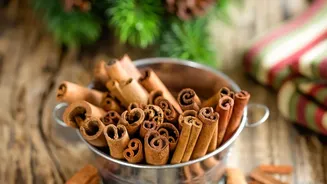
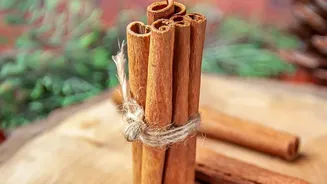
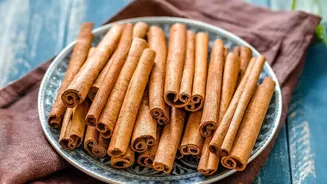
If you are buying whole cinnamon sticks, or quills, the visual difference is stark. Ceylon cinnamon sticks are tan-brown, composed of many thin, paper-like layers rolled together into a fragile quill that can be easily crushed. Cassia sticks are reddish-dark brown, formed from a single, thick layer of bark that is very hard and hollow. The price is another major clue. True Ceylon cinnamon is a more labour-intensive crop and is significantly more expensive than the widely available cassia. A suspiciously low price for a large amount of cinnamon is a red flag that it is likely the lower-grade cassia variety.