



The Three-Test Gauntlet
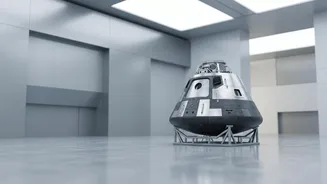
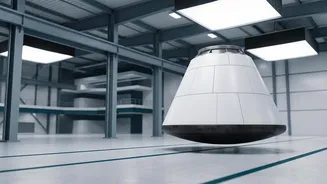
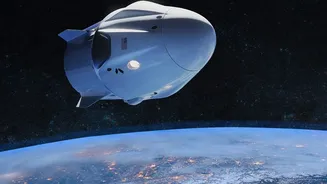
The Indian Space Research Organisation (ISRO) recently announced the successful completion of three major qualification tests for the Gaganyaan crew module, the capsule designed to carry Indian astronauts into orbit and bring them safely back to Earth.
These tests are not single events but a gauntlet of simulated challenges designed to validate critical systems under immense stress. The trials focused on moments in the mission where the crew has little to no control, verifying that the automated systems will perform flawlessly to ensure their safety. This successful test campaign marks a significant step forward, moving the mission from the drawing board to proven hardware and bringing India's first human spaceflight closer to reality.
What the Tests Validated
The first major test assessed the crew module's structural strength during the separation of the apex cover. This cover protects the all-important parachutes during ascent and orbit and must be jettisoned cleanly for the parachutes to deploy during descent. The second test focused on the umbilical separation, which involves the mechanism that connects the crew module to the service module. This connection provides power and other essentials during the mission, and it must disconnect without issue before the crew module begins its fiery re-entry into Earth's atmosphere. The third, and perhaps most critical for the final recovery phase, was the qualification test of the Crew Module Uprighting System, or CMUS.
The Splashdown Problem
After surviving re-entry and slowing its descent with parachutes, the Gaganyaan crew module is designed to splash down in the Indian sea. However, there is no guarantee it will land in the correct orientation. The capsule could easily end up inverted or on its side, bobbing in the ocean. This presents a serious risk for the astronauts inside. An inverted capsule could mean the main hatch is submerged, making a quick exit impossible for the crew and complicating recovery efforts by sea. Ensuring the capsule can right itself is not just a matter of convenience; it is a fundamental safety requirement for any water-landing spacecraft, a lesson learned from decades of human spaceflight by other nations.
The Uprighting Solution
This is where the Crew Module Uprighting System comes into play. ISRO has developed a system that uses stored, high-pressure cold gas to inflate a set of flotation bags. In the event the capsule lands and settles in an upside-down position, these bags are deployed. As they inflate, they act like a powerful lever, using buoyancy to flip the multi-tonne crew module into the correct, upright orientation. The recent qualification tests successfully demonstrated that the inflation module works as designed, releasing the gas and inflating the bags within the required time and performance parameters. This confirms the reliability of the system that ensures the astronauts' exit path is clear and above the water line after a long journey in space.
What Comes Next for Gaganyaan
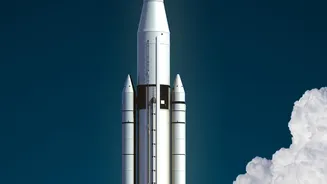
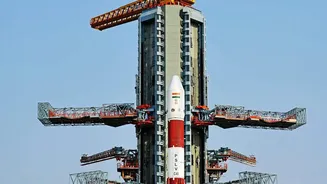
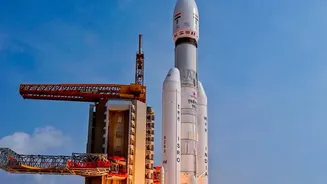
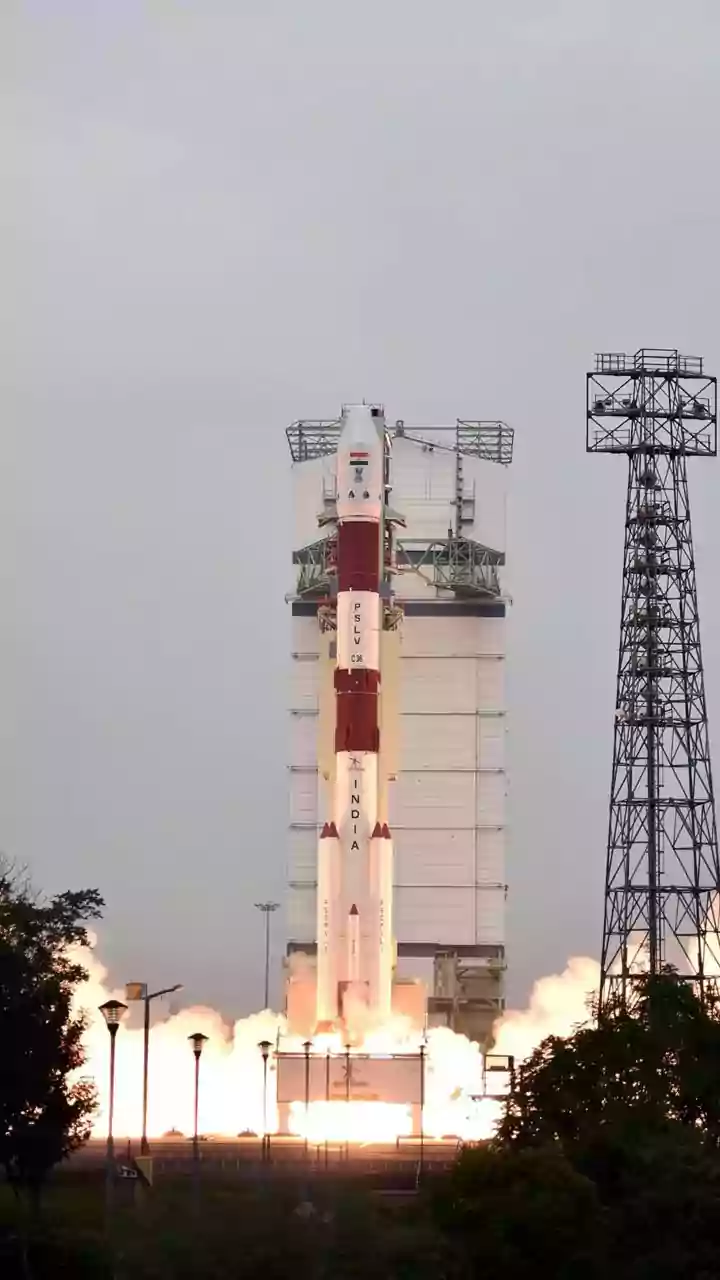
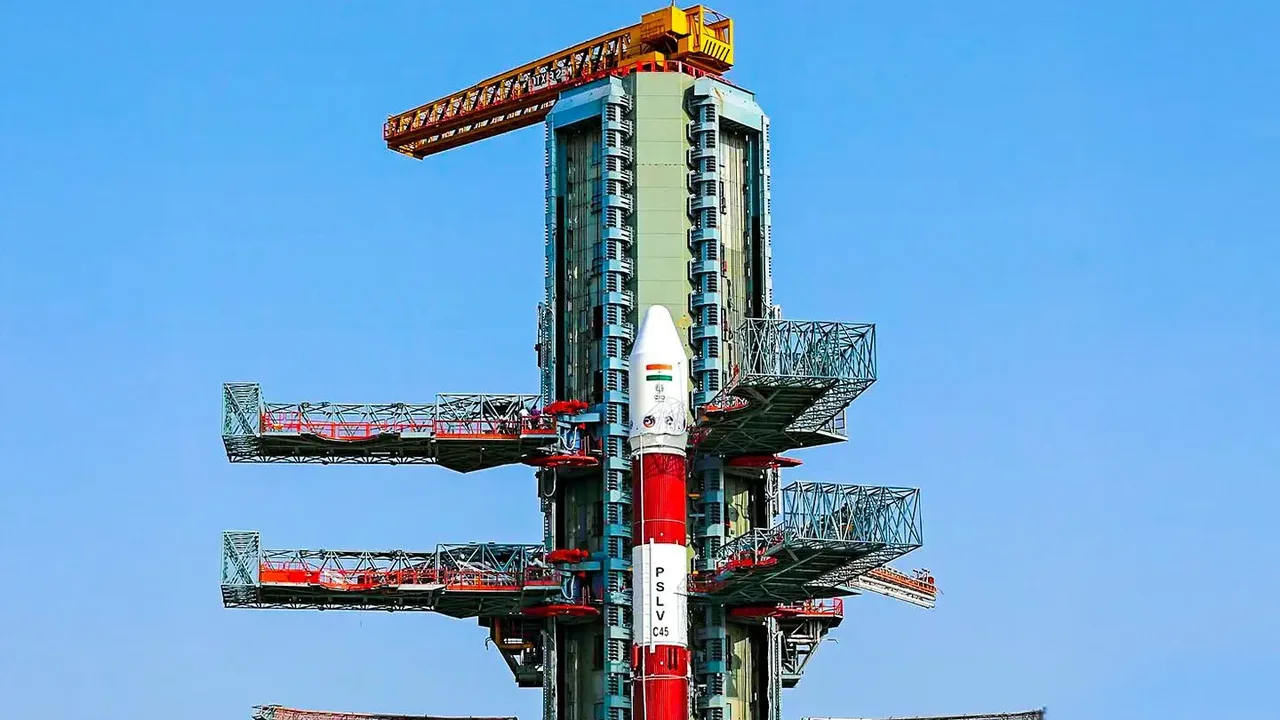
With these ground-based qualification tests successfully concluded, ISRO's focus will continue to be on a rigorous schedule of integrated trials. The entire system will be tested through a series of uncrewed flights before any astronaut gets on board. The first uncrewed orbital mission, known as G1, is currently targeted for the latter half of 2026. This flight will test the performance of the human-rated launch vehicle, the crew module systems in space, and the re-entry and recovery procedures in a real-world scenario. Subsequent uncrewed flights will follow before India's first crewed mission, which aims to send three astronauts to an orbit of 400 kilometres for a three-day mission. Each successful test, from components on the ground to full-scale orbital flights, is a deliberate and crucial step toward achieving that historic goal.