





The Foundation: Soaking the Lentils
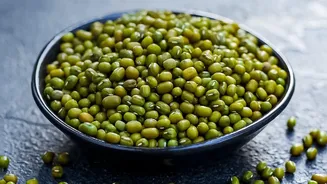
The first and most critical step is soaking. For Pesarattu, you need whole green moong dal. The ideal soaking time is between 4 to 6 hours. Soaking for less time, around four hours, can result in a crispier pesarattu, while over-soaking can make the crepes
too soft. If you're short on time, you can soak the dal in hot water for about three hours to speed up the process. Along with the moong dal, it's common to add a small amount of raw rice—about 1 to 2 tablespoons per cup of dal. This is an optional but highly recommended step as the rice contributes significantly to the crispiness of the final crepe. Simply wash the dal and rice together until the water runs clear, then submerge them in ample water and set them aside.
Creating the Perfect Batter
Once soaked, drain the dal and rice completely. Place them in a blender along with flavouring agents. Essential additions include fresh ginger, green chillies, and cumin seeds. These not only add the characteristic taste but also aid in digestion. Add just enough water to get the blender moving and grind everything into a smooth, consistent batter. The ideal consistency is key: it should be of a pouring, spreadable thickness, similar to but slightly thicker than a standard dosa batter. If the batter is too thick, it will be difficult to spread on the pan; if it's too thin, the pesarattu won't hold its shape. Unlike many other dosa batters, Pesarattu batter does not require fermentation, so you can use it right away. This is one of its biggest advantages for a quick and wholesome meal.
Whipping Up the Upma Filling
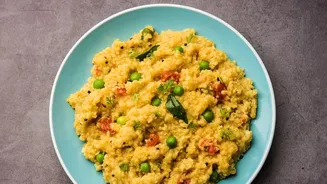
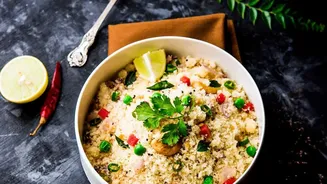
While the Pesarattu is the star, the upma is its essential co-star. The upma for this dish is typically kept simple to complement the crepe without overpowering it. Start by heating a little oil or ghee and tempering it with mustard seeds, urad dal, and chana dal. You can then sauté finely chopped onions, green chillies, ginger, and curry leaves. Once the onions are translucent, add water and bring it to a boil before adding the salt. Slowly stream in the rava (semolina) while stirring continuously to prevent lumps. Cook until the upma is soft and has absorbed all the water. The goal is a relatively firm upma; if it's too mushy, it can make the pesarattu soggy.
The Final Assembly: Cooking with Finesse
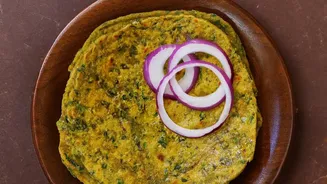
Now it's time to bring everything together. Heat a dosa tawa or a flat non-stick pan over a medium flame. Once hot, you can grease it lightly. Pour a ladleful of the pesarattu batter onto the centre and spread it outwards in a circular motion to form a thin crepe. Drizzle a little oil or ghee around the edges. At this stage, sprinkle finely chopped raw onions over the surface, pressing them gently into the batter with a spatula. Let the pesarattu cook until the underside is golden brown and the edges begin to lift. When it looks cooked, place a generous spoonful of the prepared upma in the centre. Fold the crepe in half over the upma and press down gently. Cook for another 30 seconds before serving hot.
Tips for Restaurant-Style Success
For that perfect crispy texture, ensure your tawa is adequately hot before pouring the batter. Spreading the batter on a pan that isn't hot enough can lead to a soft, thick crepe. Cooking on a low to medium flame for a longer duration helps achieve a crispier result. Using a cast iron pan is often recommended for the best texture. While some recipes top the pesarattu with raw onions, others suggest frying the onions until golden brown beforehand for a sweeter, more intense flavour. Finally, remember that freshly ground batter yields the best taste and texture, so it's best to grind only what you need.