







What Makes a Breakfast 'Gentle'?
A 'gentle' breakfast is one that is kind to your digestive system. It avoids heavily processed ingredients, excessive sugar, and unhealthy fats that can cause bloating, energy crashes, and general discomfort. Instead, it’s built around whole foods that are
easy to digest and provide a slow, steady release of energy. The goal is to nourish your body without overwhelming it first thing in the morning. This approach often involves incorporating a balance of macronutrients—fibre-rich carbohydrates, lean protein, and healthy fats—which work together to promote satiety and stable blood sugar levels. Think of it as setting a calm, positive tone for your gut that will last the entire day.
Building Your Whole-Food Foundation
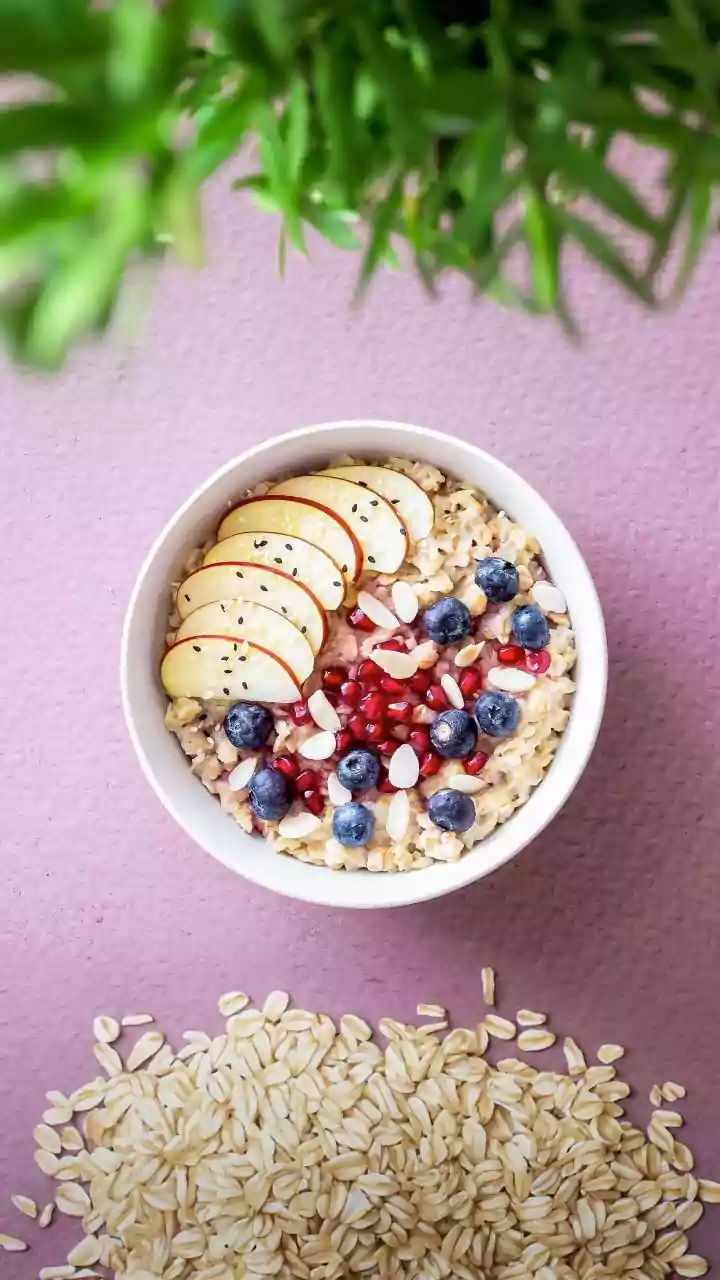
Creating a gentle breakfast starts with choosing the right ingredients. Whole foods are those that remain as close to their natural state as possible. Excellent choices include rolled oats, quinoa, eggs, plain Greek yoghurt, and whole-grain toast. These provide complex carbohydrates and fibre, which are essential for digestive health and sustained energy. For protein, which helps with satiety and muscle health, consider eggs, yoghurt, nuts, or seeds. Healthy fats from sources like avocado, nuts, and seeds support brain function and help you feel full longer. Combining these elements is key. For example, a bowl of oatmeal is good, but adding berries for vitamins, and a sprinkle of walnuts or chia seeds for protein and healthy fats, makes it a complete, balanced meal.
The Art of Breakfast Portion Control
Even the healthiest foods can cause discomfort if eaten in excessive amounts. Portion control is crucial for a gentle start because it prevents your digestive system from becoming overworked. Eating a large meal can lead to bloating, indigestion, and sleepiness as your body diverts significant energy to digestion. Rather than using measuring cups, you can use simple visual cues. A serving of carbohydrates like oatmeal or quinoa should be about the size of your fist. A portion of protein, like scrambled eggs, should be roughly the size of your palm. For healthy fats, think of one or two tablespoons for nut butters or a quarter of an avocado. Listening to your body’s hunger and fullness signals is also vital. The aim is to eat until you are satisfied, not stuffed.
Why Fluid Intake Is Crucial
Hydration is a non-negotiable part of a gentle morning routine. After a long night's sleep, your body is naturally dehydrated, and replenishing fluids is essential for activating your internal organs and flushing out toxins. Drinking a glass of water upon waking, about 30 minutes before your meal, can aid digestion and prepare your stomach for food. Water helps break down food, allows your body to absorb nutrients, and softens stool to prevent constipation, especially when you are eating a fibre-rich breakfast. While it's good to drink with your meal, it's best to sip modestly—around one glass—to avoid diluting digestive juices too much. Opt for water over sugary juices or excessive caffeine, which can sometimes irritate the stomach or lead to an energy crash later on.
Simple, Gentle Breakfast Ideas
Putting these principles into practice doesn't have to be complicated. Here are a few easy ideas to get you started: 1. Overnight Oats: Combine rolled oats with plain yoghurt or a milk of your choice, a tablespoon of chia seeds, and a handful of berries in a jar. Let it sit overnight and enjoy a ready-to-go, fibre-packed breakfast. 2. Avocado Toast with an Egg: Mash half an avocado onto a slice of whole-grain toast and top it with a cooked egg. This provides a perfect balance of complex carbs, healthy fats, and protein. 3. Yoghurt Bowl: Start with a base of plain Greek yoghurt and top it with sliced banana, a sprinkle of almonds, and a drizzle of honey. This breakfast is rich in probiotics, protein, and healthy fats.