





‘Best Before’: A Mark of Quality
The ‘Best Before’ date is the most common and perhaps the most misunderstood label on Indian food packages. According to the Food Safety and Standards Authority of India (FSSAI), this date is a manufacturer's guarantee of quality, not a rigid safety deadline.
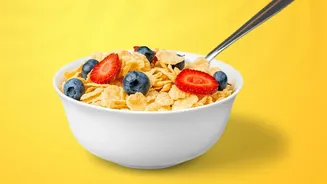
It signifies the period during which the product will be at its peak freshness, taste, and nutritional value. After this date passes, the food is often still perfectly safe to consume. You might notice that your biscuits are slightly less crisp or the flavour of your canned soup is a little less vibrant, but it is not necessarily unsafe. This label typically appears on products with a longer shelf life, such as cereals, pasta, spices, and canned goods. The key takeaway is that ‘Best Before’ is about the food retaining its specific claimed qualities. As long as the package is intact and the product looks and smells fine, you can usually trust your senses over the date.
‘Use By’ or ‘Expiry’: The Safety Deadline
This is the date to take seriously. The ‘Use By’ or ‘Expiry’ date is a clear instruction about safety. As defined by FSSAI, it marks the end of the period under which the food is considered safe to eat. Consuming a product after its ‘Use By’ date can pose a significant health risk due to the potential growth of harmful bacteria. You will find this label on highly perishable items that spoil quickly. Think of products like packaged milk, paneer, fresh meat, and ready-to-eat salads. Unlike the ‘Best Before’ date, which allows for some consumer discretion, the ‘Use By’ date should be treated as a strict cut-off. FSSAI regulations are clear: food should not be sold or consumed after this date has passed. If you have a perishable item nearing its ‘Use By’ date and you don't plan to eat it in time, you can often freeze it to extend its life safely.
‘Sell By’: A Note for the Retailer
The ‘Sell By’ date is one you might see, but it is not really for you, the consumer. This date is an instruction for the store, helping with stock control and rotation. It tells the retailer the last day a product should remain on the shelf for sale. This allows for a reasonable amount of time for the consumer to use the product at home after purchasing it. A product is still safe to eat after the ‘Sell By’ date has passed, provided it has been stored correctly. For example, a carton of milk might have a ‘Sell By’ date that is a few days before its final ‘Use By’ date. This system is designed to ensure that what you buy has an adequate shelf life once you get it home. Since this label is primarily for inventory management, you should focus your attention on the ‘Best Before’ and ‘Use By’ dates to make informed decisions about quality and safety.
Beyond the Label: Trust Your Senses
While dates provide a helpful guideline, they are not foolproof because they assume proper handling and storage. A packet of chips left open in a humid room will go stale long before its ‘Best Before’ date, just as milk left out on the counter will spoil before its ‘Use By’ date. For many products, particularly those past their ‘Best Before’ date, your senses are your best guide. Look for signs of spoilage such as mould, a strange colour, or a damaged package. Smell the food; an off or rancid odour is a clear warning sign. If it looks and smells fine, and it's a non-perishable item, it's likely still good to eat. This approach not only prevents good food from being thrown away but also empowers you to be a smarter, more intuitive consumer, reducing household waste and saving money in the process.