




Shinjuku Gyoen National Garden, Tokyo
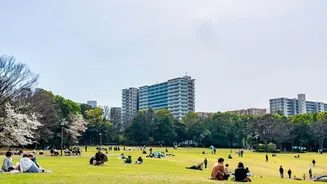
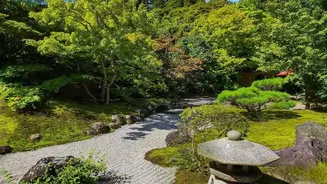
Just a ten-minute walk from the world's busiest train station, Shinjuku Gyoen is a sprawling oasis that feels worlds away from the city's energetic pulse. This former imperial garden is a masterpiece of landscape design, uniquely combining three distinct
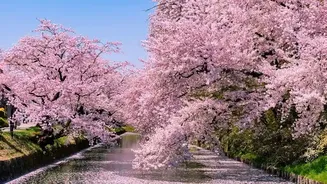
styles: a traditional Japanese garden with ponds and pavilions, a formal French garden, and an English landscape garden. It's in the English section where the magic happens; its wide, open lawns offer an iconic view of the Shinjuku skyscrapers piercing the sky beyond the treetops. This juxtaposition of meticulously crafted nature against a futuristic skyline captures the essence of modern Tokyo. The park is vast, covering 144 acres, and its thoughtful design provides a different experience with every visit, from the cherry blossoms of spring to the rich colours of autumn.
Hamarikyu Gardens, Tokyo
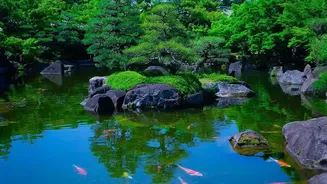
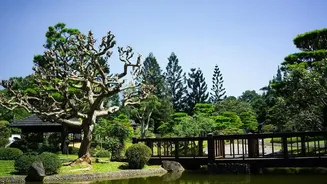
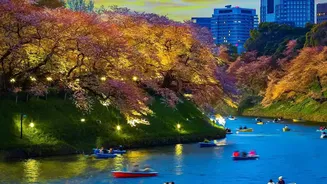
Set against the glittering high-rises of the Shiodome district, Hamarikyu Gardens offers one of Tokyo's most dramatic visual contrasts. This Edo-period garden is built around a central tidal pond, Shioiri-no-ike, which cleverly draws water from Tokyo Bay, causing the water levels to rise and fall with the tide. Visitors can cross the pond via a wooden bridge to a charming teahouse on an island, where you can sip matcha while surrounded by a 360-degree view of both historic landscape and modern architecture. The garden is a prime example of 'shakkei', or "borrowed scenery," where the surrounding skyscrapers are incorporated into the garden's composition, creating a powerful blend of old and new. It’s a place where you don't feel completely removed from the city; instead, you experience it from a softer, slower perspective.
Osaka Castle Park, Osaka
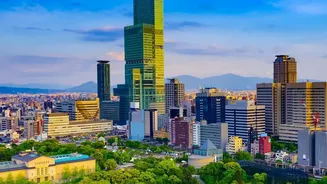
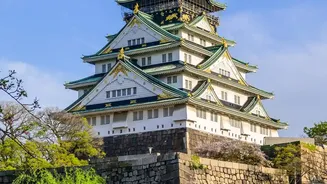
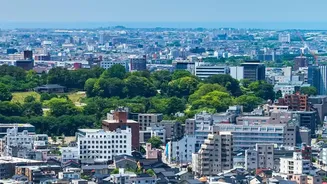
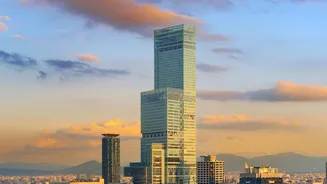
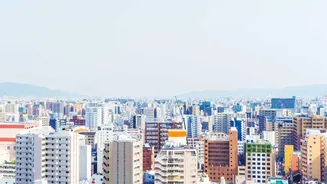
In the heart of Japan’s second city stands Osaka Castle, a magnificent reconstruction of a 16th-century fortress. Surrounding it is a vast public park that serves as a green sanctuary amid a dense urban landscape. The park itself features wide lawns, groves of cherry and plum trees, and the historic Nishinomaru Garden, but its most striking feature is the view from the castle's observation deck. From the top, you get a stunning panoramic vista of the entire Osaka cityscape, juxtaposing the castle's traditional green-tiled roofs and golden embellishments against a backdrop of modern skyscrapers. It’s a powerful symbol of the city's pride in its past, standing resiliently in the midst of a thriving, contemporary metropolis.
Ueno Park, Tokyo
Ueno Park is less a quiet retreat and more a bustling cultural forest integrated into the fabric of Tokyo. It is one of Japan's first public parks, established during the Meiji era on former temple grounds. The park is a unique blend of nature, history, and modern culture, containing major museums like the Tokyo National Museum and the National Museum of Western Art, historic temples, and a zoo. While some parks create a contrast with a distant skyline, Ueno Park immerses you in it. You can wander from the serene Shinobazu Pond with its lotus blossoms and traditional pagodas directly to architectural marvels designed by figures like Le Corbusier. This layering of history makes the park a living part of the city, where ancient traditions and modern life don't just coexist, but actively mingle.