




The Nutrient Powerhouse You're Tossing
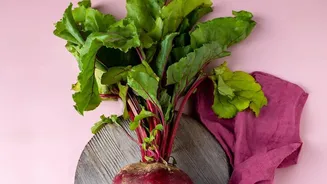
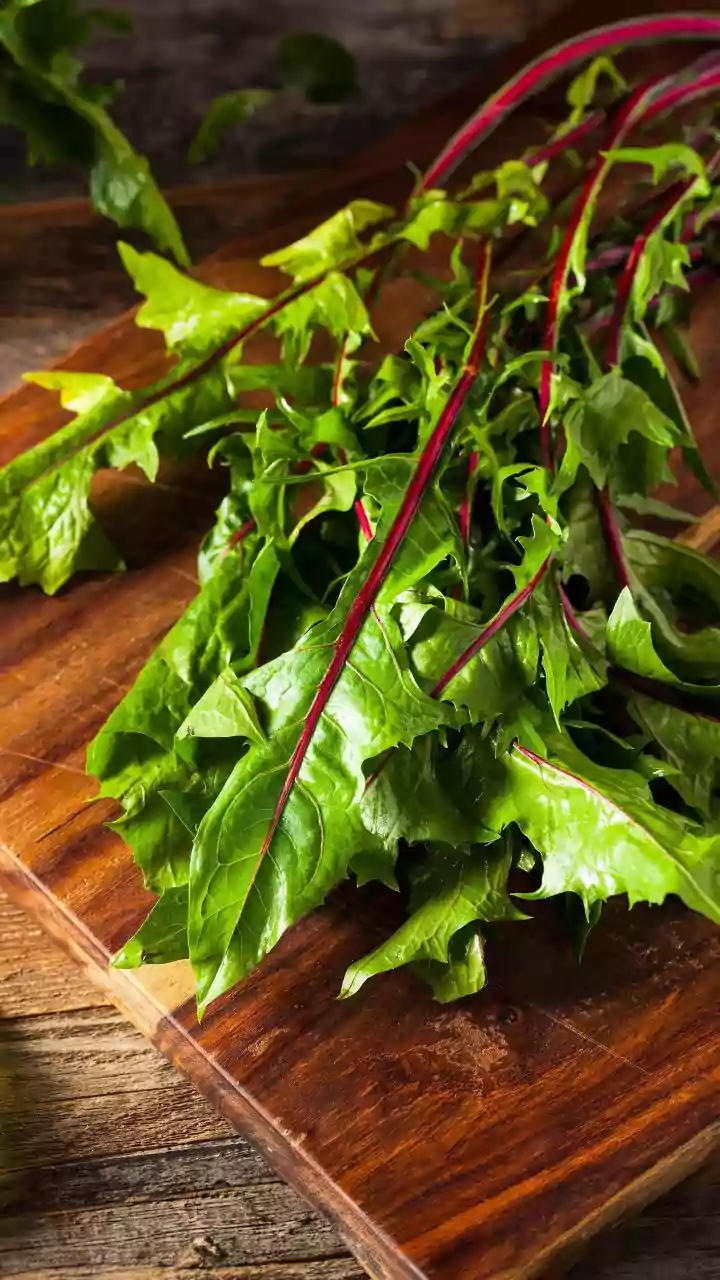
In many Indian households, beet greens are discarded without a second thought, yet they are one of the most nutrient-dense parts of the plant. In fact, these leaves contain more iron, calcium, and vitamins than the beetroot itself. They are exceptionally
rich in Vitamin K, which is essential for bone health, and packed with Vitamin A for healthy vision and immune function. They also provide a significant amount of Vitamin C, a powerful antioxidant that helps protect your cells from damage. Beyond vitamins, beet greens are a fantastic source of minerals like potassium, which supports heart health, and magnesium. They are loaded with fiber, aiding digestion and promoting a feeling of fullness, making them a great addition to any diet. Low in calories and full of antioxidants like betalains, these greens are a simple way to boost the nutritional value of your daily meals.
From Market to Pan: A Quick Prep Guide
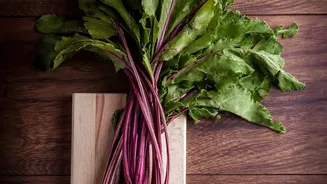
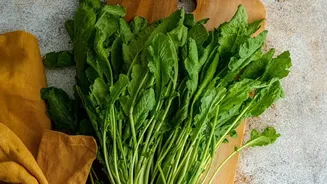
Preparing beet greens is simple, but the most crucial step is washing them properly. Since they grow close to the ground, they can be quite gritty. The best method is to immerse the leaves and stems in a large bowl of water and swish them around. Let them sit for a few minutes to allow the dirt to settle at the bottom, then lift the greens out. Repeat this process until the water is clear.
Once clean, you can use both the leaves and the tender stems. The stems are edible and add a lovely crunch but require a slightly longer cooking time than the leaves. A good practice is to chop the stems separately from the leaves and add them to the pan a few minutes earlier. The leaves wilt quickly, much like spinach, so they only need a few minutes of cooking at the end.
A North Indian Classic: Beet Greens Sabzi
A simple 'sabzi' or 'bhaji' is one of the easiest ways to enjoy beet greens. This preparation is quick, requires minimal spices, and allows the earthy flavour of the greens to shine. Start by heating mustard oil or any cooking oil in a pan. Add a pinch of asafoetida (hing) and a teaspoon of cumin seeds (jeera). Once the seeds splutter, add finely chopped garlic and green chillies, and sauté for a minute until fragrant.
If using, add the chopped stems and cook for a few minutes until they soften slightly. Next, add the chopped leaves, along with basic spices like turmeric powder (haldi) and coriander powder (dhania). Add salt, but be mindful that the leaves will shrink significantly, so it is best to add salt after they have wilted a bit to avoid over-salting. Cover and cook for 5-7 minutes until the leaves are tender. Finish with a squeeze of lemon juice or a sprinkle of dry mango powder (amchoor) for a tangy kick. Serve hot with roti or as a side with dal-rice.
A South Indian Delight: Beet Greens Poriyal
In South India, beet greens are often prepared as a 'poriyal', a flavourful stir-fry finished with coconut. To make it, heat coconut oil in a pan and add mustard seeds. When they pop, add a teaspoon of urad dal, a couple of dry red chillies, and a sprig of curry leaves. Sauté for a moment, then add chopped onions and cook until they turn soft and translucent.
Next, add the chopped beet stems and leaves to the pan. Sprinkle a little water if needed, add salt, and cover the pan to let the greens cook until tender. The key to a great poriyal is the finishing touch. Once the greens are cooked and the water has evaporated, turn off the heat and stir in a generous amount of freshly grated coconut. The sweetness of the coconut perfectly balances the earthy notes of the greens, creating a delicious and wholesome side dish for rice and sambar.
Beyond the Stir-Fry: More Creative Uses
Don't just stop at sabzi or poriyal. Beet greens are incredibly versatile. You can finely chop them and add them to your dal, cooking them along with the lentils for an extra dose of nutrition. Moong dal with beet greens is a particularly light and healthy combination. The leaves can also be kneaded into the dough for parathas or theplas, adding colour and nutrients to your flatbreads.
For a modern twist, blend a handful of raw beet greens into your morning smoothie along with fruits like banana or mango to mask any bitterness. They can also be used as a substitute for spinach in recipes for cutlets, pakoras, or even savoury pancakes. By experimenting, you’ll find that these humble leaves can easily find a permanent place in your kitchen.