


The Science Behind a Supportive Kitchen
The connection between your pantry and your plate is stronger than you might think. Research into what is known as the "home food environment" consistently shows that the availability and accessibility of foods at home significantly influence our dietary
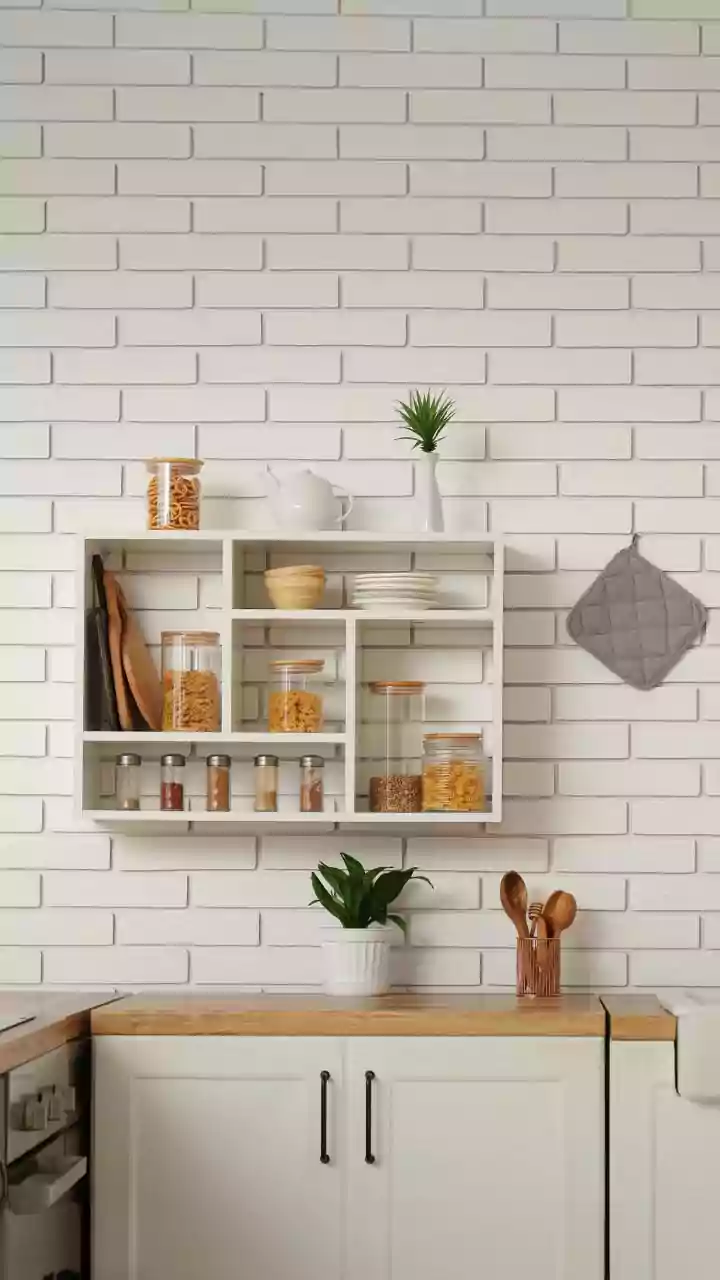
choices. When your pantry is stocked with nutritious, easy-to-use staples, you create an environment where the healthy choice becomes the easy choice. This concept, sometimes called choice architecture, is about designing your surroundings to support your goals. A disorganised or empty pantry can lead to decision fatigue, making you more likely to opt for takeaways or processed meals. Conversely, an organised space with visible, healthy ingredients reduces stress and makes the act of cooking more intuitive and enjoyable. Studies have found that home food availability is a key predictor of healthier eating habits, including higher intake of fruits and vegetables.
The Foundation: Grains, Dals, and Legumes
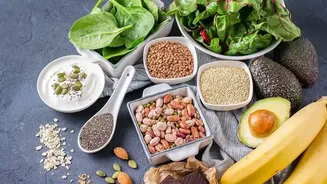
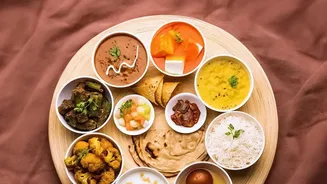
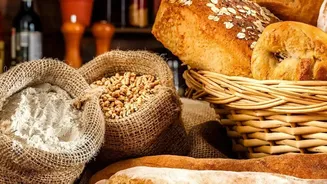
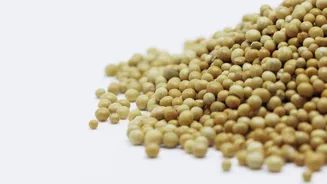
The backbone of any functional Indian pantry is its supply of grains and legumes. These are nutritional powerhouses, providing essential fibre, plant-based protein, and sustained energy. Stocking items like whole wheat atta, brown rice, millets (like jowar and bajra), and a variety of dals (like toor, masoor, and moong) ensures you always have the base for a fulfilling meal. Canned chickpeas and kidney beans are also excellent time-savers for quick curries, salads, or chaats. Keeping these staples on hand means a simple dal, a comforting khichdi, or a quick pulao is never more than 30 minutes away, forming a reliable foundation for countless balanced meals without a last-minute trip to the store.
Flavour and Function: Spices, Oils, and Aromatics
A meal is only as good as its flavour, and this is where a well-maintained spice collection comes in. A traditional masala dabba is the perfect tool for keeping essential spices like turmeric, cumin, coriander, and red chilli powder accessible. Beyond the basics, staples like garam masala, kasuri methi, and whole spices for tempering (tadka) are crucial. Equally important are healthy cooking fats like ghee and versatile oils such as mustard or groundnut oil. To cut down on daily prep time, consider keeping ginger-garlic paste handy. Long-lasting aromatics like onions, potatoes, and garlic are non-negotiable staples that form the flavour base of innumerable Indian dishes and should always be on hand.
The Time-Savers: Canned, Jarred, and Frozen Heroes
On particularly busy days, convenience is key. This is where your pantry's processed—but still wholesome—options shine. Canned goods like chopped tomatoes and coconut milk can drastically reduce cooking time for curries and soups. Tomato paste is another excellent staple for adding concentrated flavour. Your freezer is an extension of your pantry and an invaluable asset. Frozen vegetables like peas, corn, and spinach are just as nutritious as fresh and prevent food waste. Keeping frozen paneer, pre-made roti or paratha, or even frozen grated coconut can turn a potential cooking marathon into a quick and satisfying weeknight dinner.
Smart Stocking, Not Hoarding
Building a good pantry isn't about buying in bulk or filling every inch of space. It’s about creating a system. Start by taking inventory of what you already have to avoid buying duplicates. Group similar items together—all dals in one section, all grains in another. Adopting a “first-in, first-out” system, where you place newer items behind older ones, helps reduce food waste. Before you go shopping, a quick check of your pantry can shorten your grocery list and save you money. The goal is not a perfect, magazine-worthy pantry, but a functional, personal system that supports your eating habits and makes cooking feel less like a chore and more like a simple, nourishing part of your day.