
The Engines of a New Economy
For decades, space was the exclusive domain of a few global superpowers. Getting to orbit was astronomically expensive, primarily because the incredibly complex rockets used were designed to be flown only once. But as World Space Week 2026 highlights
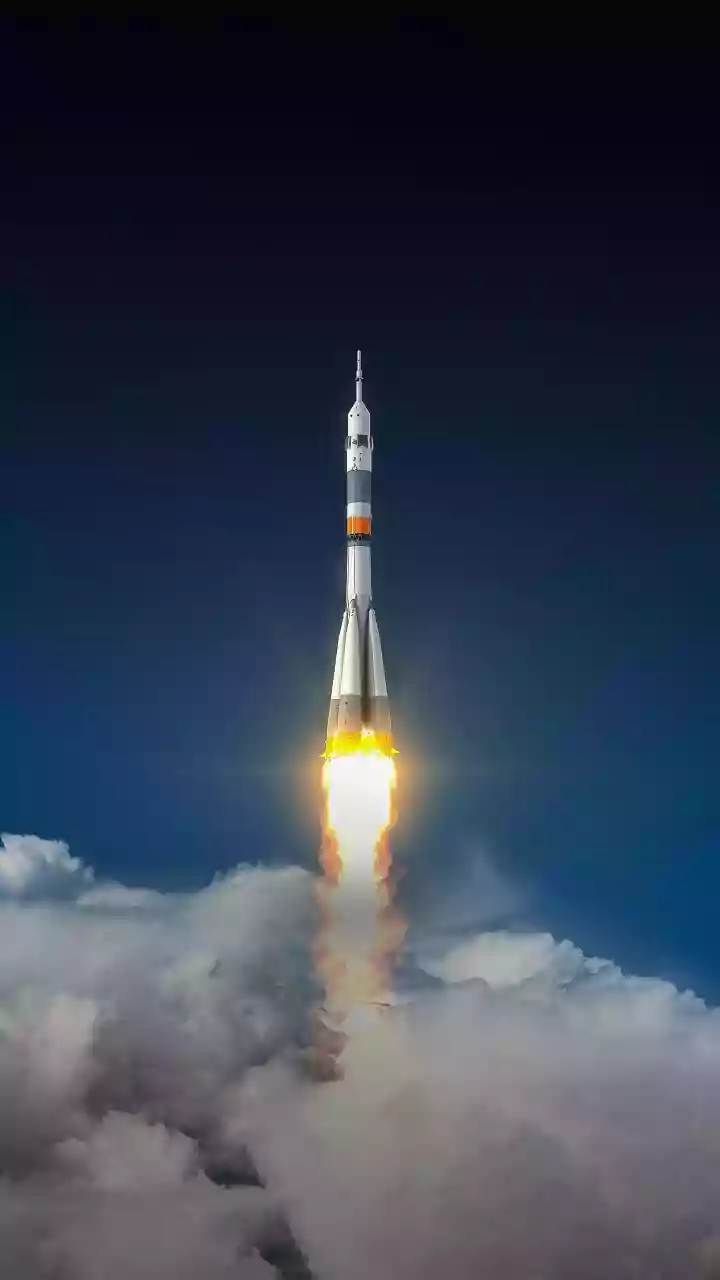
with its 'Rocket Revolution' theme, that era is decisively over. The last decade has seen a fundamental shift, transforming space access from a government-led programme to a bustling commercial industry. The driving force behind this change is not a new destination, but a new way of getting there. Innovations in rocketry, particularly reusability, have slashed the cost of reaching orbit, opening the final frontier to a new generation of companies, researchers, and even nations.
The Reusability Revolution
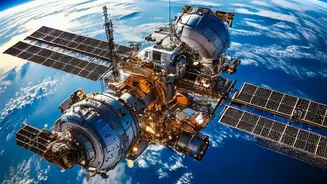
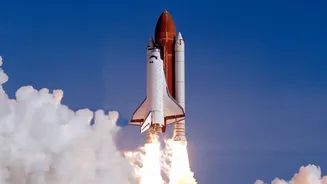
The biggest game-changer has been the reusable rocket. Companies like SpaceX have pioneered the technology to land and refly the most expensive part of the rocket—the first stage booster. By treating rockets more like aircraft than disposable machines, the cost of a single launch has plummeted. This isn't just a Western phenomenon. India's ISRO is actively developing its own Reusable Launch Vehicle (RLV), a winged technology demonstrator designed to make space access cheaper and more sustainable. This focus on reusability is crucial for India’s ambitious plans, which include a dramatic increase in launch frequency and the eventual establishment of its own space station.
A Rocket for Every Mission
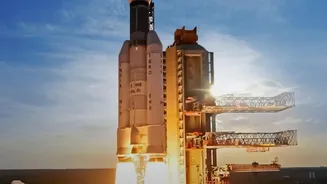
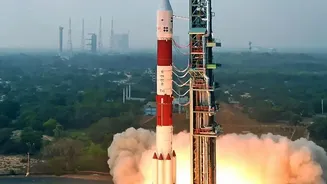
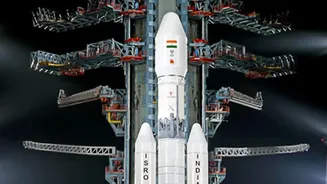
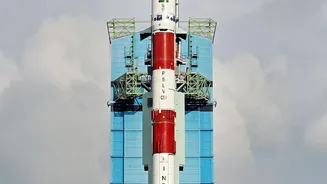
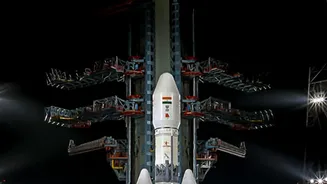
The revolution isn't just about reusing old designs; it's about creating a diverse fleet of new ones. Today's launch market features a variety of rockets tailored for specific jobs. At one end are the super-heavy lift vehicles like SpaceX's Starship, designed to carry over 100 metric tonnes to orbit and enable missions to the Moon and Mars. At the other end are small-satellite launchers, which allow universities and startups to deploy CubeSats without having to wait for a rideshare on a larger mission. ISRO’s own workhorse launchers, the PSLV and LVM3 (formerly GSLV), serve different segments of this market, from launching hundreds of foreign commercial satellites to sending flagship missions like Chandrayaan-3 to the Moon. This specialisation makes the entire space ecosystem more efficient.
Cleaner, Smarter Propulsion
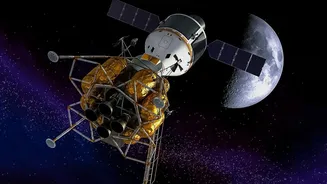
Beneath the metal skin, the way rockets are powered is also changing. There's a significant move toward more efficient and cleaner-burning fuels. Methane, for instance, is a key propellant for several new-generation rockets. It burns cleaner than the traditional rocket-grade kerosene, leaving less residue and making engines easier to reuse. Beyond chemical rockets, engineers are pushing the boundaries of propulsion with concepts like nuclear thermal and nuclear electric propulsion. NASA is actively developing these technologies, which could dramatically cut travel times for missions to Mars and beyond by offering efficiency levels that chemical rockets simply cannot match. While still in development, these advanced systems represent the next leap in our ability to explore the solar system.
India’s Place on the Launchpad
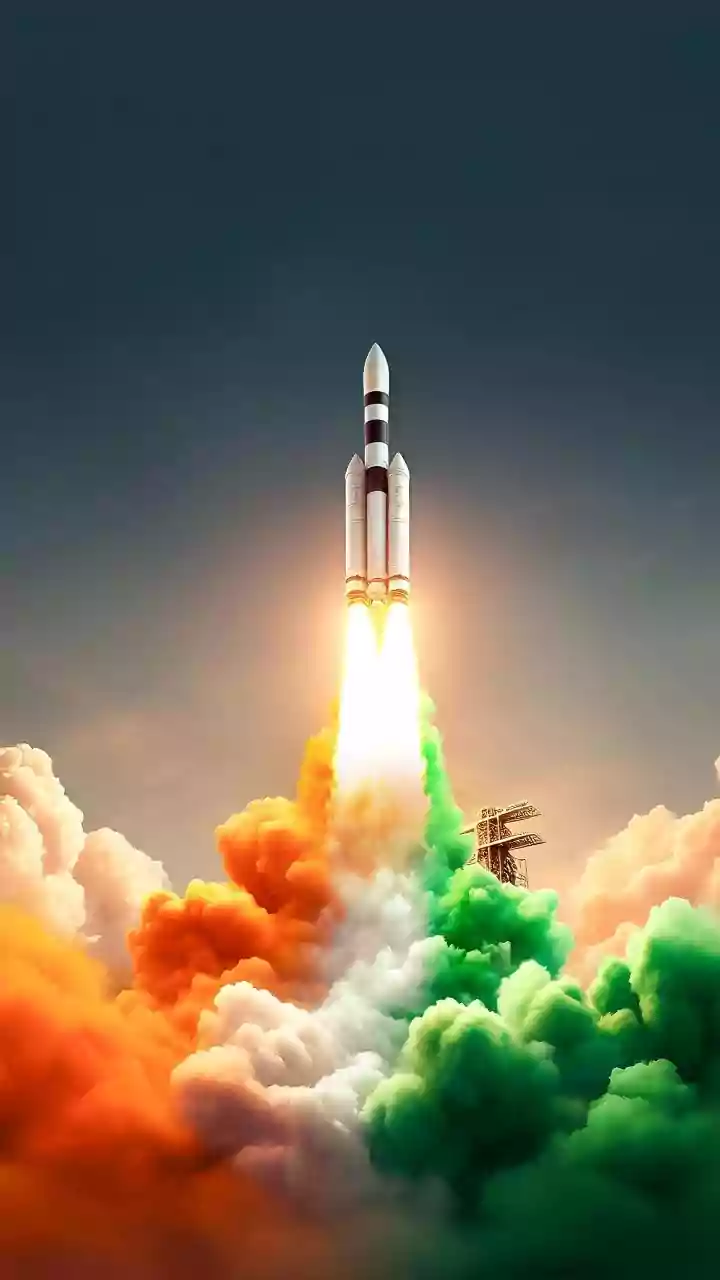
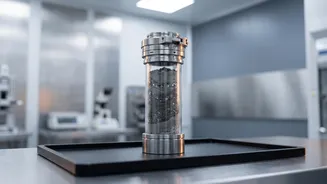
This rocket revolution is not just happening elsewhere; it's a major focus for India. With goals to launch dozens of missions in the coming years, including the first uncrewed flights for the Gaganyaan human spaceflight programme, ISRO is reliant on its robust rocket technology. Furthermore, a vibrant private space sector is emerging, with startups like Skyroot Aerospace—which launched India's first commercially built rocket—and others developing everything from 3D-printed engines to fully reusable launch vehicles. This growing ecosystem, supported by government initiatives, is positioning India to capture a larger share of the projected $44 billion global space economy by 2033. The nation's ability to offer reliable and cost-effective launches is central to this ambition.