




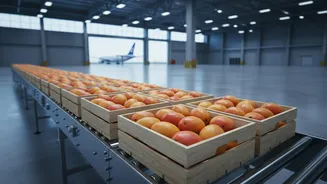
A Sweet Milestone for Indian Agriculture
On July 30, 2026, a one-metric-tonne consignment of Neelam and Totapuri mangoes was sent from Karnataka to the Maldives, marking the first-ever air shipment of these specific varieties from the state. This initiative, facilitated by the Agricultural and Processed
Food Products Export Development Authority (APEDA), is a significant step in promoting Karnataka's late-season mangoes on the international stage. The shipment was sourced directly from farmers associated with the Prakruthimaya Farmers Producer Company Ltd. in Kolar district, a region where growers had been facing low domestic prices for their produce. This export was handled by Ahalya Devi Ventures, a new company led by a woman entrepreneur, highlighting the growing role of women in India's agri-export ecosystem.
The Strategic Choice: Neelam and Totapuri
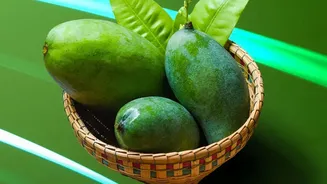
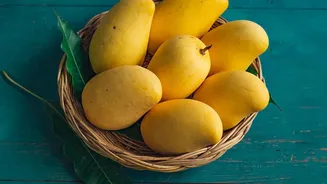
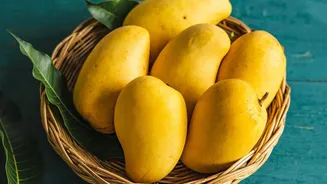
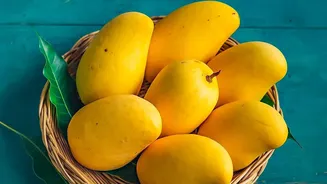
The selection of Neelam and Totapuri mangoes was a calculated decision. These are late-season varieties, typically harvested from late June through July, which allows India to extend its mango export window beyond the peak season of more famous varieties like Alphonso. Neelam mangoes are prized for their sweet, juicy pulp and rich aroma, making them ideal for desserts and beverages. Totapuri, easily recognized by its parrot-beak shape, has a unique sweet-and-tangy flavour. Its versatility makes it suitable for both fresh consumption and the processing industry, where it is a popular choice for pulp and juice. By promoting these varieties, India can cater to sustained international demand for a longer period.
The Air Freight Advantage
Sending perishable goods like mangoes by air instead of sea is a game-changer for quality. While more expensive, air freight drastically reduces transit time, ensuring the fruit arrives in overseas markets fresher and with a longer shelf life. This is crucial for maintaining the premium quality expected by international consumers and reducing post-harvest losses that often plague the agricultural sector. This first air shipment demonstrates a commitment to overcoming logistical hurdles that have traditionally limited India's fresh fruit export potential, such as inadequate cold chain infrastructure and high freight rates.
A Direct Boost for Farmers
Perhaps the most significant impact of this initiative is the direct financial benefit to the farmers. By connecting a Farmer Producer Company (FPC) directly with an exporter, the model bypasses multiple layers of intermediaries. This resulted in farmers earning over 50% higher returns compared to what they would get in conventional domestic markets. For example, Totapuri mangoes that fetched ₹3 to ₹4 per kg locally were sold for ₹30 per kg for this export consignment. Similarly, Neelam mangoes earned ₹72 per kg, more than double the local market rate. This model of direct procurement not only ensures better prices but also empowers farmers by integrating them into the global supply chain.
The Future of Agri-Exports
This shipment serves as a blueprint for the future of India's agricultural export strategy. It showcases how collaboration between government bodies like APEDA, Farmer Producer Companies, and private entrepreneurs can unlock new opportunities. The government's Agriculture Export Policy aims to double farm exports by creating infrastructure and promoting specific product clusters. While challenges like meeting strict international quality standards and global competition remain, this successful shipment from Karnataka is a promising sign. It proves that with the right support, infrastructure, and market linkages, India's diverse agricultural produce can find a lucrative and appreciative audience across the world, strengthening both the 'Brand India' label and the livelihoods of its farmers.