

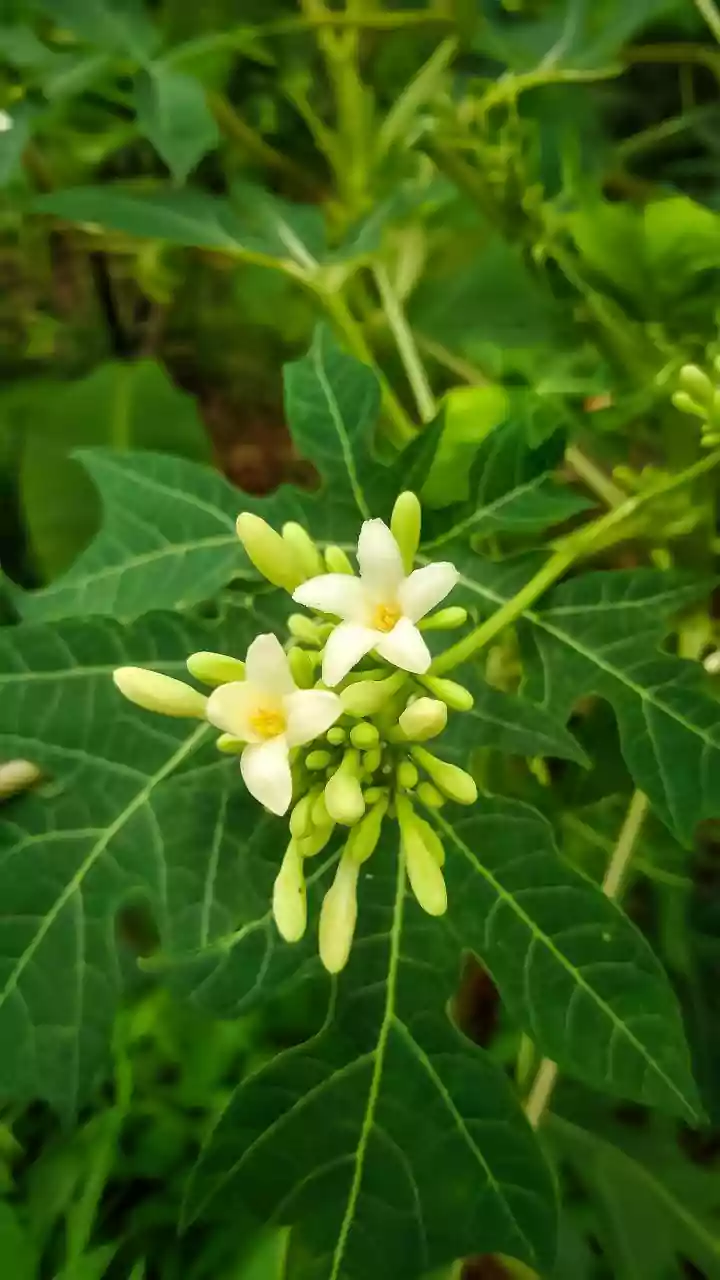



Identifying African Jasmine
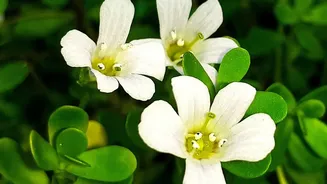
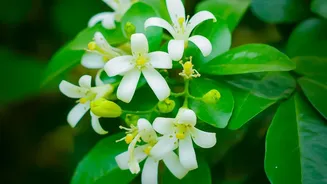
When we talk about 'African Jasmine', we are often referring to a specific plant known botanically as Jasminum multipartitum. Also called the Starry Wild Jasmine, this species is a fast-growing, scrambling evergreen native to Southern Africa. It's prized
for its glossy dark green leaves and a profusion of white, star-shaped flowers that release a delicate fragrance. This scent, characteristically, becomes more potent in the evening and at night. While it belongs to the true jasmine genus, its identity is distinct from the species more commonly used in commercial perfumery, like Jasminum grandiflorum or Jasminum sambac. Recognizing this specific variety is the first step to understanding its unique place in both gardens and traditions.
The Uses of Starry Wild Jasmine
In its native South Africa, Jasminum multipartitum is more than just a pretty vine. Traditionally, it has been used to make herbal teas and to fragrance baths and potpourri. Mystical traditions have even seen it used as a love charm. As a garden plant, it is incredibly versatile, serving as a climber on a trellis, a dense groundcover, or a manicured hedge. Its fragrant flowers make it a rewarding addition to any garden, attracting pollinators like moths. Beyond its ornamental value, its flowers are sometimes used as an edible garnish for salads and desserts, or infused into syrups and drinks, though care must be taken to ensure they are pesticide-free. Its uses demonstrate a blend of the practical, the aesthetic, and the traditional.
A Global Legacy of Fragrance
Moving beyond the specific African variety, the story of jasmine's aroma is a global one. The use of jasmine for its scent dates back thousands of years, with origins traced to Persia and Kashmir. From ancient Egypt and China to India, the flower has been cherished for its intoxicating fragrance. Jasmine became a cornerstone of the perfume industry, especially in Grasse, France, where it is considered an essential 'heart note' that adds richness, brightness, and complexity to a fragrance. The process is incredibly labor-intensive; it takes over 8,000 hand-picked blossoms to produce a single gram of jasmine absolute, the highly concentrated oil used by perfumers, making it one of the most valuable ingredients in fine fragrance.
Traditional Aromatic and Spiritual Uses
Across Asia, jasmine's scent is deeply woven into cultural and spiritual life. In India, where jasmine is known as 'Mogra' or 'Malli', it is a symbol of purity, love, and divinity. Garlands of fresh jasmine are essential in weddings, festivals, and temple offerings. Women traditionally wear strings of jasmine in their hair, not just for the beautiful scent but as a cultural emblem. In Hinduism, the flower is offered to deities and is associated with divine hope. This cultural reverence extends across Southeast Asia; both the Philippines and Indonesia have adopted a species of jasmine as their national flower, symbolizing purity and commitment.
Jasmine in Modern Wellness
The traditional reverence for jasmine's aroma has found a new expression in modern aromatherapy. The essential oil is widely used for its purported ability to calm the nervous system, reduce stress, and elevate mood. Its scent is described as both relaxing and uplifting. Studies have suggested that inhaling jasmine aroma can create a sense of well-being and alertness. Today, people use jasmine-scented candles, diffusers, and mists to create a tranquil atmosphere at home, improve sleep quality, and simply enjoy the luxurious, calming fragrance that has captivated humanity for centuries.