
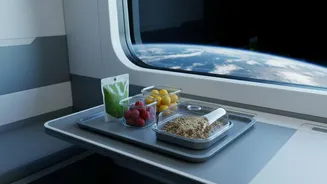
Microgravity’s Messy Relationship with Food
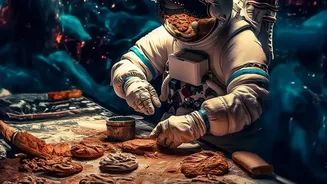
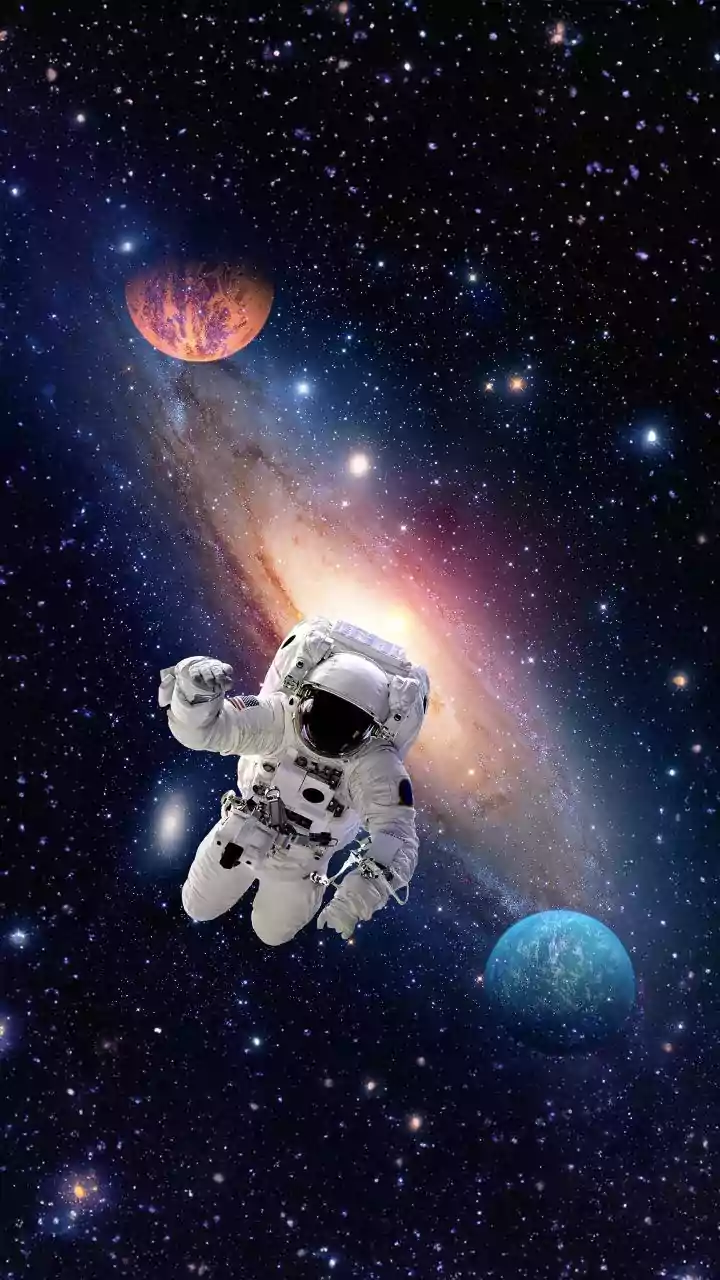
In space, there is no 'down'. Anything not secured floats. This is the first and most fundamental problem for any food, but especially for Indian cuisine. Crumbs from a paratha or grains of rice from a pulao wouldn't just fall on the floor; they would float away,
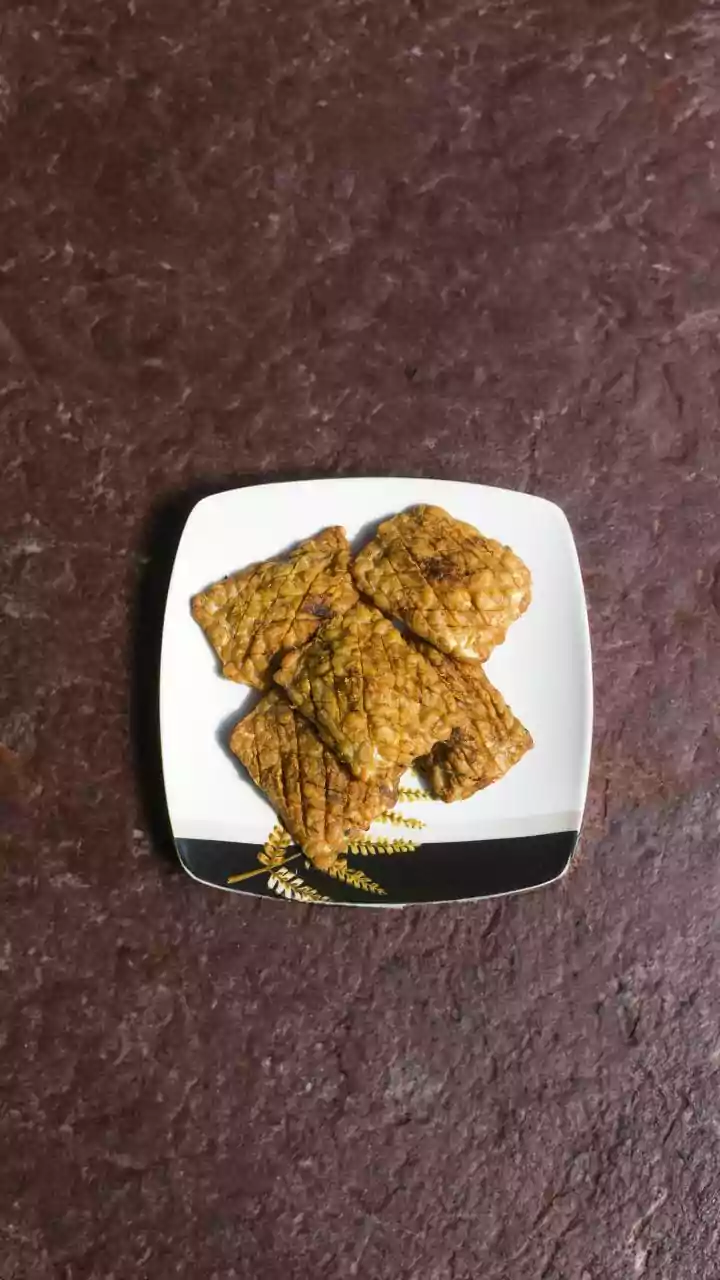
potentially getting into astronauts' eyes or, more dangerously, clogging critical air filters and electronic equipment. This is why bread is famously banned in space, with astronauts using tortillas instead to minimize stray particles. For Indian food, this means rethinking staples. A simple roti, for instance, must be formulated to not produce any crumbs.
The Great Gravy Dilemma
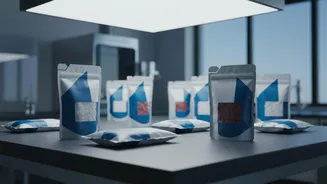
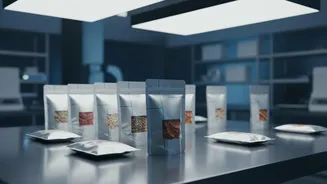
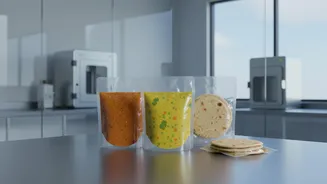
So much of Indian food's soul lies in its gravies and curries. But in microgravity, liquids are a menace. An open bowl of sambar or rajma masala would be a disaster, as the liquid would not stay put. It would form free-floating globules, creating a mess and posing a risk to equipment. To solve this, all liquids must be contained. Space food, including Indian dishes, is often packaged in retort pouches, which are flexible, heat-stabilized bags. Astronauts consume liquids and semi-solids directly from these pouches through a straw or nozzle. This means the texture and consistency must be just right—thick enough to not escape, but fluid enough to be squeezed out and consumed easily.
Recalibrating Spice and Aroma
A fascinating side effect of space travel is its impact on taste and smell. In microgravity, bodily fluids shift upwards, often causing a feeling of congestion similar to having a head cold. This can dull the senses, making food taste bland. For a cuisine that relies on a complex orchestra of spices and aromas, this is a major hurdle. Astronauts often crave spicier, more intensely flavoured food to compensate. Food scientists must therefore amplify the flavours in dishes prepared for space. However, they also have to manage sodium levels, which are kept low to protect astronaut health on long missions. Furthermore, powdered spices like turmeric or garam masala can't be sprinkled freely; they must be integrated into the food during preparation to prevent them from floating away.
The Challenge of Preservation and Preparation
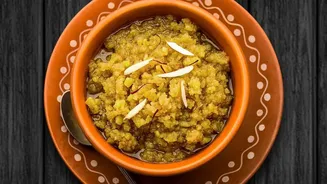
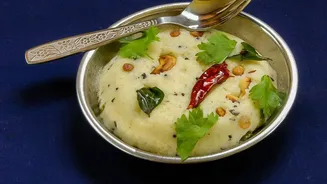
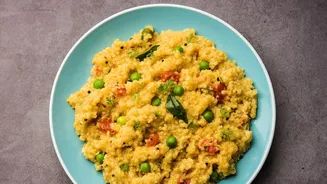
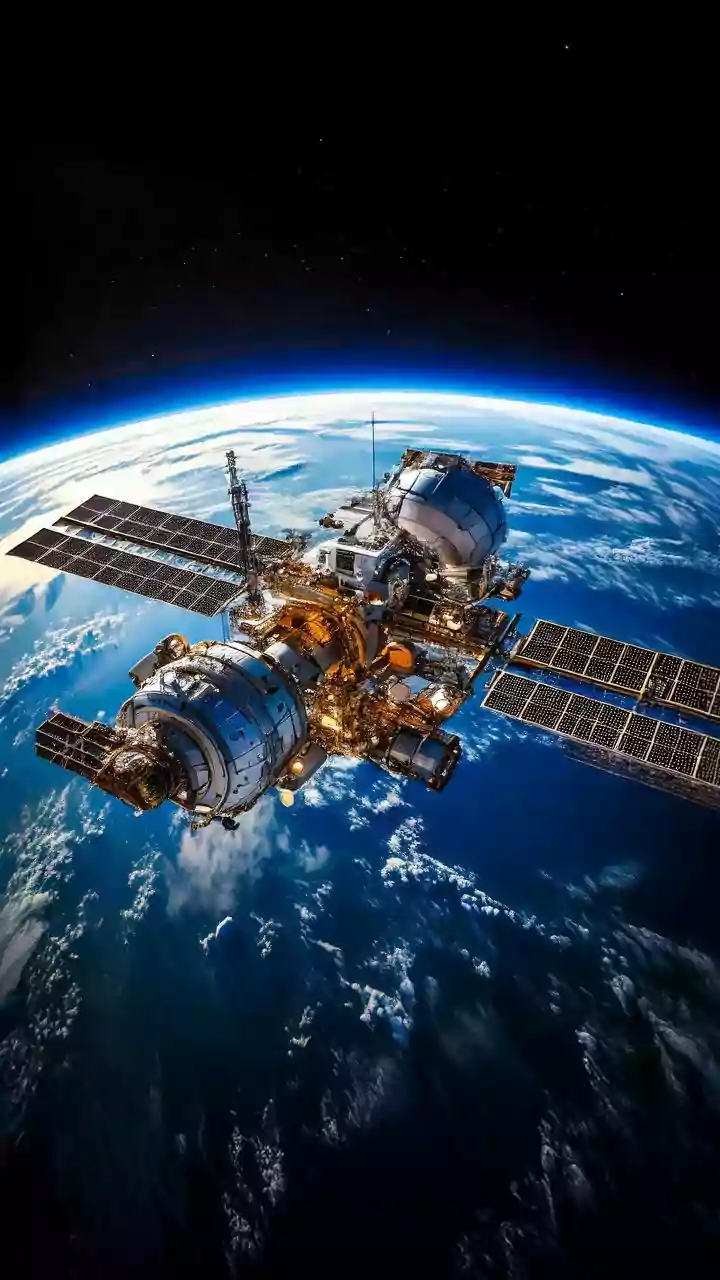
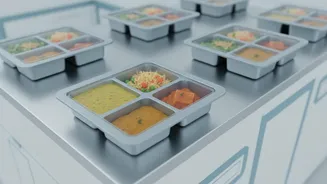
Food sent to space must have a very long shelf life without refrigeration. This is typically achieved through methods like freeze-drying (dehydration) or thermo-stabilization (heat processing to kill microorganisms). Dehydrated food is lightweight and reconstituted by adding water in space, while thermo-stabilized meals are ready-to-eat after being heated. India's Defence Food Research Laboratory (DFRL) and other institutes are developing space-friendly versions of Indian meals like idli-sambar, moong dal halwa, and vegetable pulao. These are often prepared in semi-solid or ready-to-eat forms. Binders are used to ensure that foods like parathas remain intact and don't break apart when the package is opened. Heaters are provided on the spacecraft, but the entire process of rehydrating and warming a meal can take 20 to 30 minutes.
Bringing a Taste of Home to the Stars
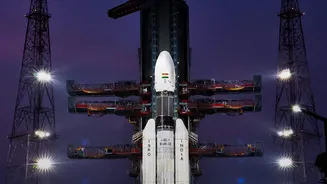
Despite the immense technical hurdles, providing culturally familiar food is crucial for the psychological well-being and morale of astronauts on long missions. For India's Gaganyaan mission, scientists have curated a menu that includes familiar favourites like khichdi and chicken rolls, specially engineered for the rigours of space. These efforts ensure that even millions of miles from Earth, astronauts can have a comforting taste of home. Special containers have even been developed just for drinking liquids like water and juice. It is a testament to human ingenuity that a complex meal, rooted in centuries of tradition on Earth, can be re-engineered to be safely and enjoyably consumed in the final frontier.