
The Green Shift in City Living
What started for many as a lockdown hobby has blossomed into a lasting lifestyle shift. The reasons are compelling: a desire for fresh, pesticide-free produce, a way to de-stress and connect with nature, and the simple satisfaction of eating something
you’ve grown yourself. Concerns over food safety and the rising cost of vegetables have pushed many to take control of their food source, even on a small scale. This movement is less about replacing the grocery store and more about supplementing the kitchen with fresh, clean ingredients while bringing a patch of nature into the urban environment. The trend is also fueled by a growing sense of environmental awareness, as home gardens help reduce carbon footprints, improve air quality, and support local biodiversity like pollinators.
More Than Just Decoration
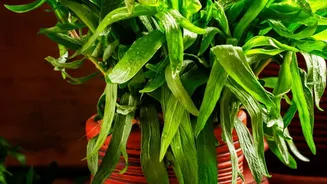
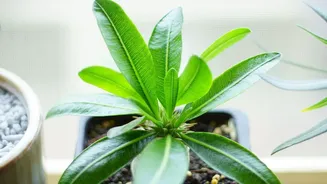
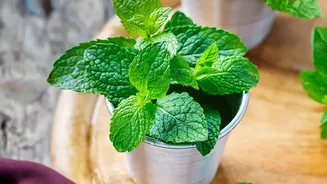
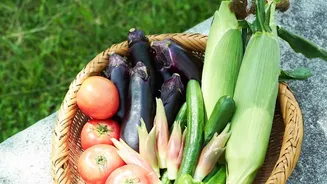
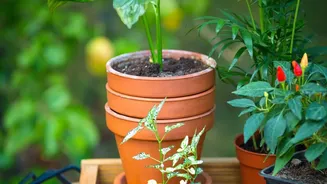
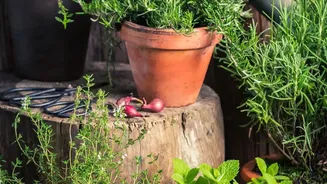
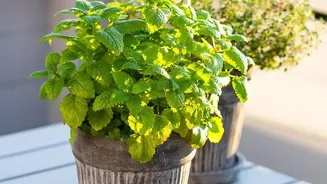
While ornamental plants have always been popular, the current wave of urban gardening is focused on utility. Today’s small-space gardeners are cultivating plants they can eat, cook with, or use for their medicinal properties. Herbs are a popular starting point due to their compact size and frequent use in Indian kitchens. Pots of mint (pudina), coriander (dhaniya), curry leaves (kadi patta), and holy basil (tulsi) are now common sights on urban balconies. Beyond herbs, gardeners are successfully growing a variety of vegetables like cherry tomatoes, chillies, spinach, and radishes in containers. Even medicinal plants like aloe vera, lemongrass, and ashwagandha are finding their way into home gardens, offering a ready source for traditional wellness practices.
Maximising Every Inch
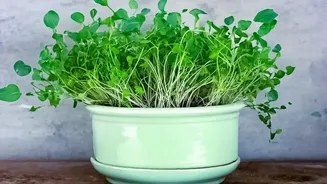
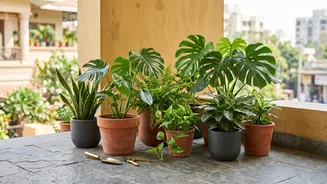
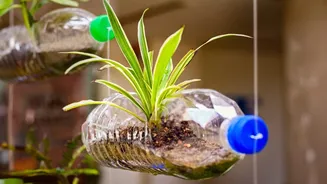
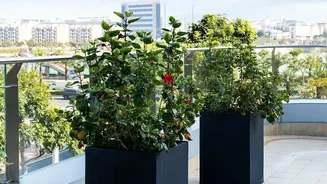
The key to this boom is innovation in space-saving techniques. Vertical gardening is a game-changer, using walls and vertical space to grow plants upwards instead of outwards. This can involve tiered stands, wall-mounted planters, or training climbing plants like the money plant up a trellis to create a living screen. Container choice has also become more sophisticated. Lightweight grow bags are increasingly popular as they provide excellent root aeration and drainage, which is crucial in hotter climates. Terracotta and ceramic pots remain classic choices, while self-watering planters offer a solution for busy individuals. The guiding principle is to match the pot size to the plant's needs; a depth of 10-12 inches is sufficient for many vegetables, while herbs and microgreens can thrive in much smaller containers.
A Beginner's Guide to Getting Started
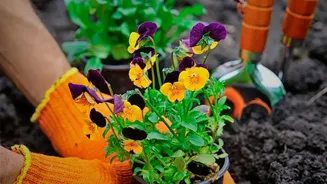
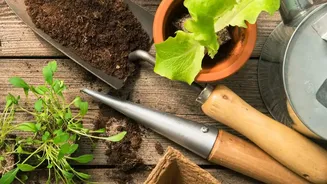
Starting a small-space garden is less daunting than it seems. The first step is to observe your space: find a spot that receives at least four to six hours of sunlight daily, as most vegetables and herbs need it to thrive. Next, ensure your containers have drainage holes to prevent root rot. For soil, a mix of garden soil, compost, and coco peat is highly recommended as it provides nutrients while remaining light and well-draining. Beginners should start with just a few easy-to-grow, resilient plants to build confidence. Mint, coriander, spinach, cherry tomatoes, and chillies are excellent choices that deliver rewarding results with basic care. Water plants in the morning and only when the top inch of soil feels dry to the touch, as overwatering is a common beginner mistake.
The Harvest of Wellbeing
The benefits of urban gardening extend far beyond the kitchen. The daily ritual of tending to plants—watering, checking for new growth, and harvesting—has been shown to be a powerful stress reliever. It offers a mindful escape from screens and the pressures of a busy urban life, improving mood and reducing anxiety. For many, it fosters a deeper connection to nature and the food they consume. It can also become a social activity, connecting neighbours who share seeds, tips, and their harvest. In essence, that small pot of tulsi or tomato on the balcony is more than just a plant; it is a source of freshness, a tool for wellness, and a small act of reclaiming green space in a concrete world.