







What Your Car Knows About You
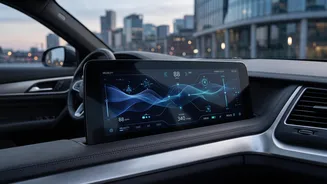
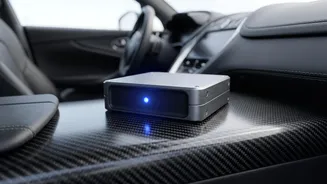
Modern vehicles are equipped with an astonishing array of sensors, microphones, and cameras, and they are constantly collecting information. According to recent research, this isn't just limited to vehicle performance or diagnostics. Your car can generate
around 25 gigabytes of data every hour. This includes your driving habits, such as speed, acceleration, and braking patterns, as well as your precise location history. But the data collection goes much deeper. Through connected apps and infotainment systems, cars can access information from your smartphone, including your contacts and messages. Some manufacturer privacy policies are written so broadly that they include the right to collect incredibly sensitive information, including health details, genetic data, and even your 'sexual activity'.
The Key Findings from Northeastern's Study
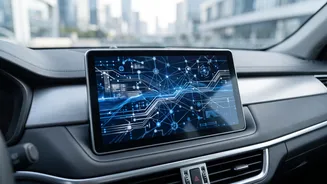
A recent study by researchers at Northeastern University, in partnership with Consumer Reports, dug into exactly where this data goes. By testing 21 vehicles and 30 companion mobile apps, they found that the vast majority of cars and apps were sending data to third parties. The researchers discovered that companion apps from major brands like GM and Honda were transmitting sensitive identifiers, such as the Vehicle Identification Number (VIN), email addresses, and precise location data, to analytics and advertising companies. Pairing a non-resettable identifier like a VIN with your location and personal details allows data brokers to build a detailed profile of your movements and habits, tracking you across different websites and apps. While some data was sent directly from the cars, the study found that the companion apps on your phone are a major gateway for this data sharing, often exposing users to dozens of ad and tracking companies.
Where Does All This Data Go?
The data your car collects doesn't stay with the automaker. It fuels a massive, multi-billion dollar industry. Automakers often share or sell this information to a wide ecosystem of other companies. This includes data brokers like LexisNexis and Verisk, which compile consumer profiles, as well as marketing and advertising firms that want to target you with ads. One of the most significant destinations for this data is the insurance industry. Some automakers have programs that share your detailed driving data with insurance companies, which can then use this information to set your premiums. This can happen without clear and explicit consent; it might be buried in the fine print you agree to when setting up your car's connected services. Federal agencies like the FTC have even stepped in, alleging that companies like General Motors collected and sold driver behavior information without adequate consent.
The Vague Promise of 'Convenience'
In exchange for this trove of personal data, drivers are offered a suite of 'convenience' features. These include remote start, real-time traffic updates, in-car Wi-Fi, and emergency assistance services. Some automakers also partner with businesses to offer location-based coupons. While many drivers find these features useful, the trade-off is rarely made clear. Research from the Mozilla Foundation, which has called connected cars a 'privacy nightmare', found that none of the 25 major brands they reviewed met their minimum security standards, and it was often impossible for users to opt out of data collection without losing major vehicle functionality. This creates a situation where consumers are pushed into accepting invasive monitoring simply to use the features they paid for when they bought the car.
Can You Protect Your Privacy?
Unfortunately, regaining full control over your car's data is incredibly difficult. Unlike a browser cookie, you can't easily clear your car's data history or reset its primary identifier, the VIN. However, there are a few steps you can take. First, be minimalist with your car's companion app. The Northeastern study showed that these apps are a huge source of data leakage, so limit the permissions you grant and the personal information you sync. Second, carefully review the privacy settings within your vehicle's infotainment system. Look for any options related to data sharing, telematics, or 'driver feedback' programs and opt out where possible. Finally, when purchasing a new vehicle, ask the dealership direct questions about data collection and privacy policies. While automakers have a long way to go, consumer pressure and regulatory action are beginning to make a difference, as seen when Honda agreed to stop sending location data to an analytics firm after being presented with the study's findings.