


The Green Myth We All Believed
The popular idea that houseplants are powerful air purifiers stems largely from a well-known NASA study from 1989. Researchers, looking for ways to clean the air in sealed space stations, found that common indoor plants could remove volatile organic compounds
(VOCs) like benzene and formaldehyde from small, sealed chambers. This exciting finding quickly grew into a widely held belief: populating our homes with peace lilies and spider plants could scrub the air clean. The study was scientifically sound, but its application to a typical home or office has been widely misinterpreted. The conditions of a sealed lab chamber are vastly different from a dynamic home environment with constant air movement.
From Lab to Living Room
When scientists translated the NASA findings to a real-world setting, the results were sobering. A 2019 review of decades of research concluded that the air-cleaning effect of plants in a normal home is negligible compared to the natural air exchange rate. To replicate the effects seen in the lab, you would need an enormous number of plants—estimates range from 10 to 1000 plants per square metre of floor space. For an average 1,500-square-foot home, that could mean needing almost 700 plants to make a significant difference. The reality is that opening a window or door for just a few minutes removes pollutants far more effectively than a room full of greenery can over many hours.
So, What Good Are They?
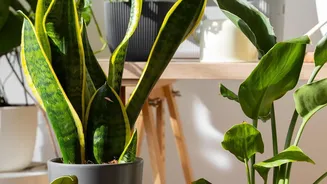
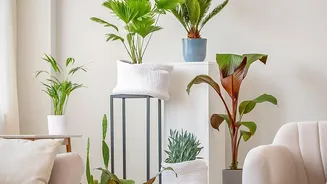
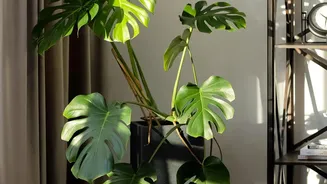
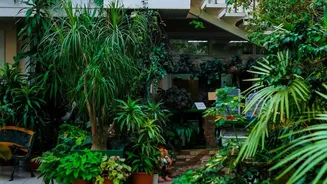
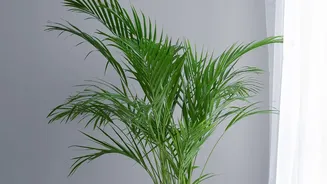
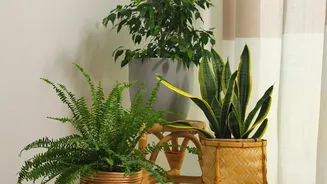
This doesn't mean you should abandon your leafy friends. Houseplants offer numerous proven benefits that have nothing to do with air purification. Studies show that being around plants can reduce stress, boost mood, and improve concentration. They add aesthetic beauty and can make a space feel more calm and welcoming. Through a process called transpiration, they also release water vapour, which can slightly increase humidity in dry indoor environments. While some plants like dracaena and bromeliads have been noted for absorbing specific VOCs in lab settings, their primary value in a home is for well-being and decor, not as a substitute for an air filter.
The Unseen Problem in Modern Homes
The real issue with indoor air quality isn't a lack of plants; it's a lack of fresh air. Modern homes are built to be increasingly airtight for energy efficiency. While this is great for your heating and cooling bills, it also means that indoor pollutants get trapped. These pollutants, or VOCs, are emitted from everyday items like furniture, cleaning products, paint, and even cooking. Without a way to escape, these compounds can accumulate, along with carbon dioxide from our own breathing, dust, and allergens. This can lead to what's sometimes called 'sick building syndrome', with symptoms like headaches, fatigue, and allergy flare-ups.
Why Ventilation Is King
Proper ventilation is the most effective strategy for improving and maintaining good indoor air quality. It works by a simple principle: exchanging stale, polluted indoor air with fresh outdoor air. This process dilutes and removes the build-up of VOCs, allergens, and excess humidity far more efficiently than any other method. Good ventilation helps control moisture, preventing the growth of mould and mildew. It also replenishes oxygen levels, which can improve sleep, mental clarity, and overall well-being. Whether through natural methods or mechanical systems, ensuring your home can 'breathe' is fundamental to a healthy living environment.
Easy Ways to Improve Airflow
Improving your home's ventilation doesn't have to be complicated. Start by opening windows on opposite sides of the house for 10-15 minutes each day to create a cross-breeze. Use exhaust fans in your kitchen when cooking and in the bathroom during and after showers to remove moisture and pollutants at the source. If you have an HVAC system, run the fan to circulate air, and ensure you're using a clean, high-quality pleated filter. Even placing a box fan in an open window, facing out, can be a powerful way to pull stale air out of a room.