


The Potato's Journey to India
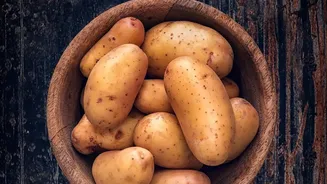
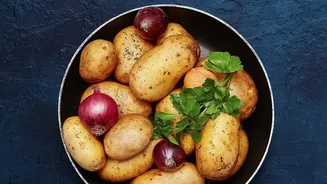
It’s hard to imagine Indian cuisine without the potato, but this beloved tuber is not native to the subcontinent. Originally from the Andes mountains in South America, the potato was introduced to India by Portuguese traders in the 17th century. The British
later promoted its cultivation across the country, recognizing it as a high-yield crop. Its incredible ability to absorb spices and adapt to different cooking styles allowed it to seamlessly integrate into regional cuisines, becoming the backbone of countless iconic dishes. Today, from street food stalls to celebratory feasts, the potato is an indispensable part of India's culinary identity.
Aloo Pitika: Assam's Comforting Mash
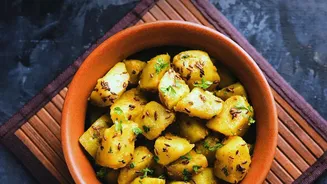
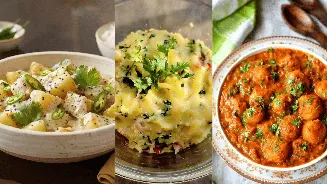
In Assam, simplicity is the ultimate sophistication, and nothing proves this better than Aloo Pitika. This is mashed potato, Assamese style. Boiled potatoes are mashed by hand and mixed with finely chopped raw onions, green chillies, and fresh coriander. The magic ingredient is a drizzle of pungent, raw mustard oil, which gives the dish its signature sharp flavour. Traditionally, the potatoes were roasted in the embers of a wood fire, lending a smoky taste to the final dish. Served with rice and dal, Aloo Pitika is the ultimate comfort food, cherished for its honest, bold flavours.
Batata Vada: The Heartbeat of Mumbai
No trip to Mumbai is complete without savouring a Batata Vada. This iconic Maharashtrian street food consists of a spiced mashed potato filling coated in a chickpea flour (besan) batter and deep-fried to golden perfection. The potato mixture is flavoured with a punchy blend of green chillies, ginger, garlic, mustard seeds, and curry leaves. While delicious on its own with chutney, it famously becomes the star of Vada Pav, where it’s tucked inside a soft bread roll. This humble potato fritter is more than just a snack; it's a cultural symbol of Mumbai's fast-paced and flavourful life.
Dum Aloo: A Royal Dish from Kashmir
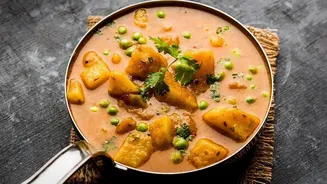
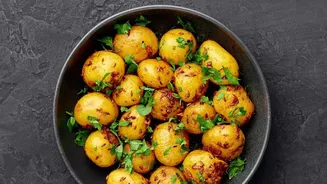
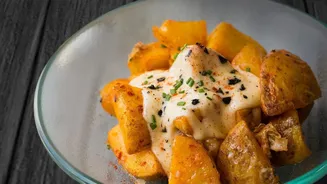
Originating from the royal kitchens of Kashmir, Dum Aloo is a testament to the region's rich culinary heritage. The traditional Kashmiri Pandit version uses baby potatoes that are first fried and then slow-cooked ('dum' style) in a fragrant gravy. This gravy is characteristically made with yogurt and a complex blend of spices like fennel, ginger powder, and Kashmiri red chillies, which give the dish its vibrant colour and deep flavour without the use of onions or garlic. It’s a dish that requires patience but rewards with an unmatched depth of flavour, showcasing the potato's ability to shine in a luxurious preparation.
Aloo Posto: The Pride of Bengal
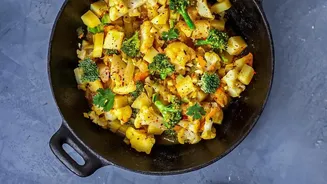
In Bengal, the love for potatoes is legendary, and Aloo Posto is perhaps the most beloved expression of this adoration. It's a simple, soulful dish where cubed potatoes are cooked in a creamy, nutty paste of white poppy seeds (posto). The authentic recipe is minimalist, flavoured with nigella seeds (kalonji), green chillies, and the essential pungent notes of mustard oil. The poppy seed paste gives the dish a unique texture and a subtly sweet, earthy flavour that perfectly complements the soft potatoes. Served with dal and rice, Aloo Posto is a cornerstone of Bengali home cooking.
Aloo Tikki: North India's Favourite Patty
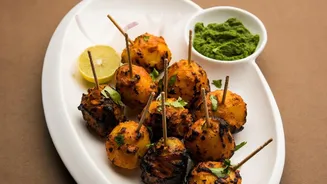
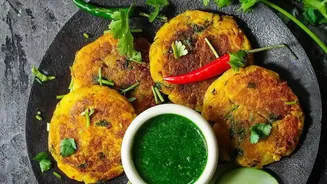
A staple of North Indian street food, Aloo Tikki is a crispy potato patty that is universally loved. The name literally translates to "potato cutlet". Boiled and mashed potatoes are mixed with spices like cumin and coriander, sometimes with green peas, and then pan-fried or deep-fried until golden and crisp on the outside and soft on the inside. Aloo Tikki is incredibly versatile; it can be enjoyed on its own with chutneys or transformed into Aloo Tikki Chaat, where the patties are topped with yogurt, tamarind sauce, onions, and sev for an explosion of taste and texture.